
Grade 5 Titanium Ti‑6Al‑4V Explained: Properties To Practice
Grade 5 Titanium, or Ti-6Al-4V, is the most common type of titanium metal. It is used in more than half of all titanium products in the world. Because it is 90% titanium, 6% aluminium, and 4% vanadium, the Ti-6Al-4V plate is strong for its weight, doesn't rust, and can be heated to make it stronger. This alpha-beta alloy connects the average performance of available pure titanium to the high needs of structural parts for aeroplanes, medical implants, and tools used in chemical processing. With a mass of 4.43 g/cm³, it is lighter than steel and can withstand temperatures up to 400°C without losing its shape. This makes it perfect for important industrial tasks that need to be reliable.
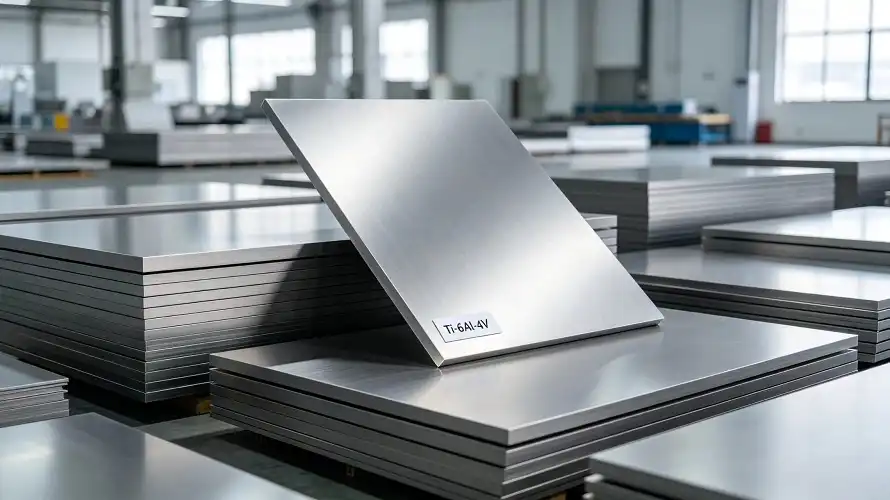
Understanding Ti-6Al-4V Plate: Chemical and Mechanical Properties
Grade 5 titanium is made to work well in a wide range of industrial settings. Vanadium stabilises the beta phase, which makes the metal more flexible and less dense, while aluminium stabilises the alpha phase, which makes it stronger. The material has tensile and yield strengths that meet ASTM B265 standards, which are 895 and 828 MPa, respectively, thanks to its controlled microstructure. Heat treatment changes how the metal behaves mechanically, which lets manufacturers change its qualities.

Mechanical Performance Benchmarks
Because of these mechanical qualities, Ti-6Al-4V plates can be used for heavy-duty builds. With a minimum extension of 10% and a hardness of about 36 HRC, the metal is tough and doesn't wear down easily. The material is physically like bone, but its low elastic stiffness of 113 GPa makes it less effective at protecting orthopaedic implants from stress. Grade 5 can be handled with a solution and aged to make it stronger. This is useful for aircraft and defence companies that need to make sure all of their materials are the same and can be tracked.
Corrosion Resistance and Environmental Durability
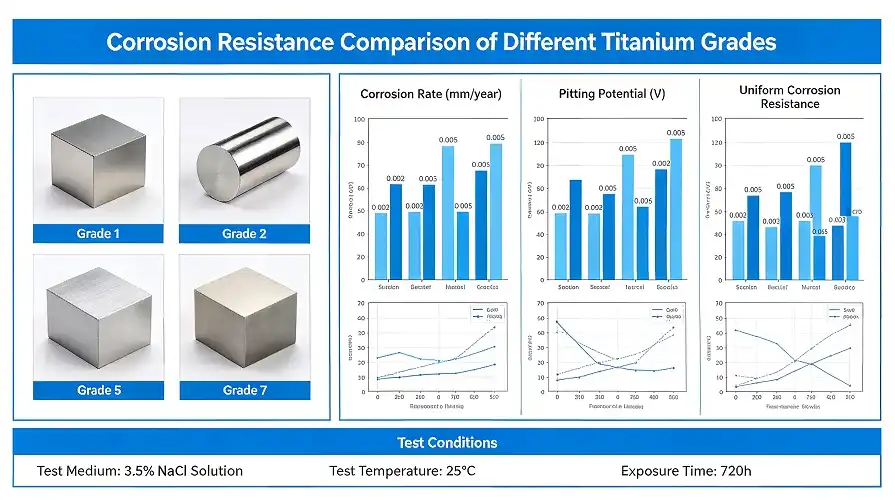
It's amazing how well the Ti-6Al-4V plate doesn't rust in strong chemicals. The oxide layer of the metal is strong and self-healing, so it can handle chlorine, organic acids, and saltwater. Because of how it is made, it is used in underwater risers, chemical reactors, and tools for desalination. With a freezing point of 1660°C and good tensile properties at -253°C, it can be used for deep-space propulsion systems and tanks that store liquid hydrogen. Because of these qualities, companies that work with chemicals can keep their equipment in good shape even in harsh weather, which saves them money on repairs and replacement costs.
Comparing Ti-6Al-4V with Other Materials: Making Informed Choices
When choosing products for business-to-business (B2B) purchases, performance, cost, and production limits are all taken into account. Comparing the Ti-6Al-4V plate to other materials helps procurement workers make decisions about how much to spend and how to create products most efficiently.
Ti-6Al-4V Versus 304 Stainless Steel
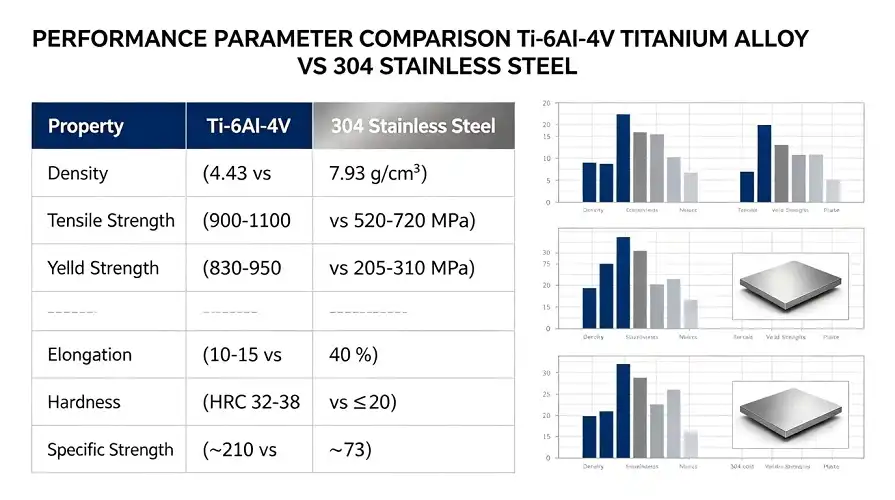
304 stainless steel is used in engineering, while the Ti-6Al-4V plate is better for tasks that need to be lightweight. Titanium metal is stronger for its weight and is 43% lighter than stainless steel. In chloride-corrosive environments, Ti-6Al-4V is better at stopping pitting and stress corrosion cracks than 304 stainless steel. Because titanium is a more expensive material, it needs to be carefully looked at in terms of its lifetime cost, including how often it needs to be maintained and replaced. Titanium often has better long-term value for companies that make plane parts and offshore equipment installers, even though it costs more at first.
Grade 5 Compared to Other Titanium Alloys
Medical device makers use Grade 23 (Ti-6Al-4V ELI) titanium because it is biocompatible and osseointegrates well with bone. This type of titanium has less interstitial element content and more flexibility and fracture toughness. Grade 5 is usually used for building parts for aeroplanes that need to be strong, easy to weld and cheap. For easy shaping, lower-strength metals like Ti-3Al-2.5V are used in tubes. Near-alpha alloys, on the other hand, can handle temperatures above 400°C. If distributors and equipment makers know about these changes, they can pick the right size for their needs.
Processing Methods: Hot-Rolled Versus Cold-Rolled
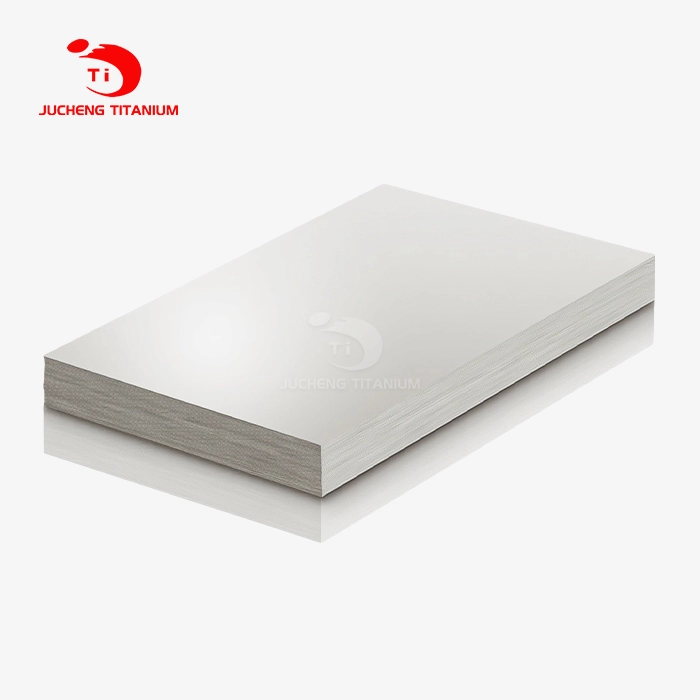
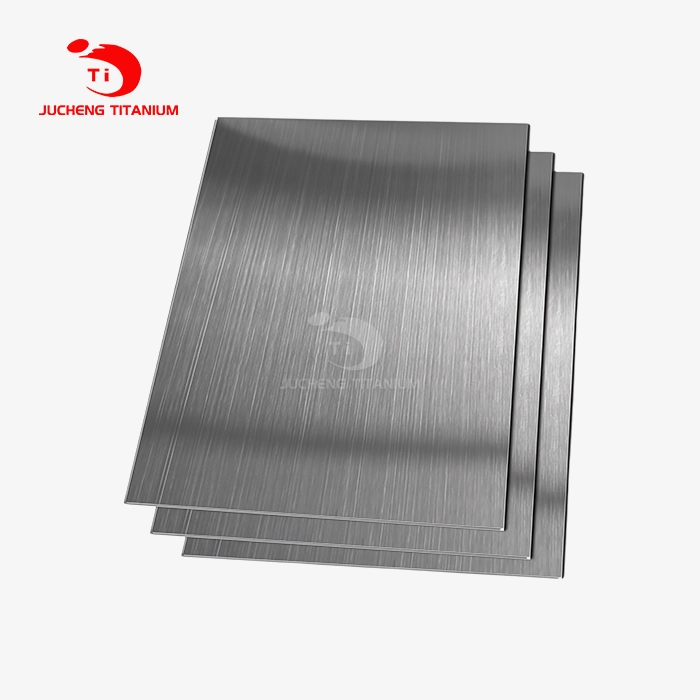
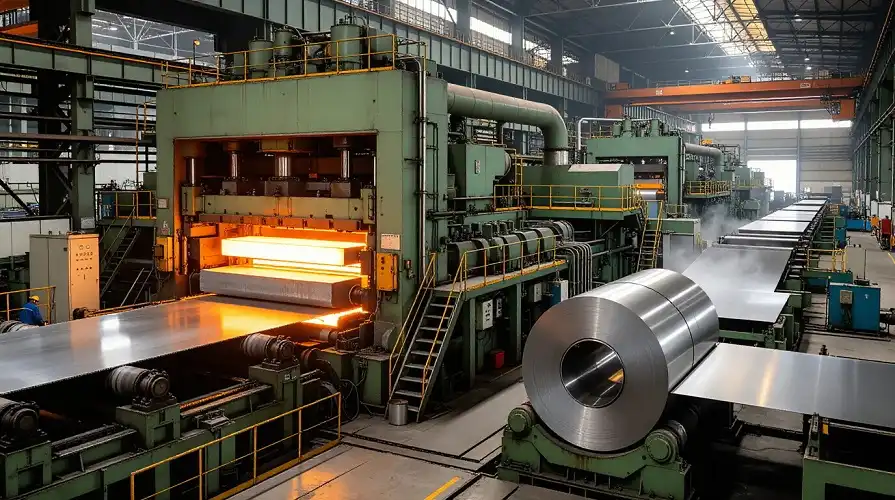
The way the plates are made has a big impact on their properties and how well they work in certain situations. Because they are rolled, annealed, levelled, pickled, and given a smooth finish, hot-rolled Ti-6Al-4V plates are easier to work with and have the same mechanical properties across their width. For industrial-grade plates that meet ASTM B265, AMS 4911, or ASME SB265, this is the standard way to handle them. Hot-rolled plates come in widths of up to 2500mm, lengths of up to 10,000mm, and thicknesses ranging from 4mm to 80mm. They meet the size needs of people who make chemical equipment and flight parts. Polishing, cutting, and acid cleaning all make things less likely to rust and make them easier to make.
Practical Applications of Ti-6Al-4V Plate in Various Industries
Because it is flexible, grade 5 titanium is needed in areas that need performance. Examples from real life show how the properties of materials help processes.
Aerospace and Defense Applications
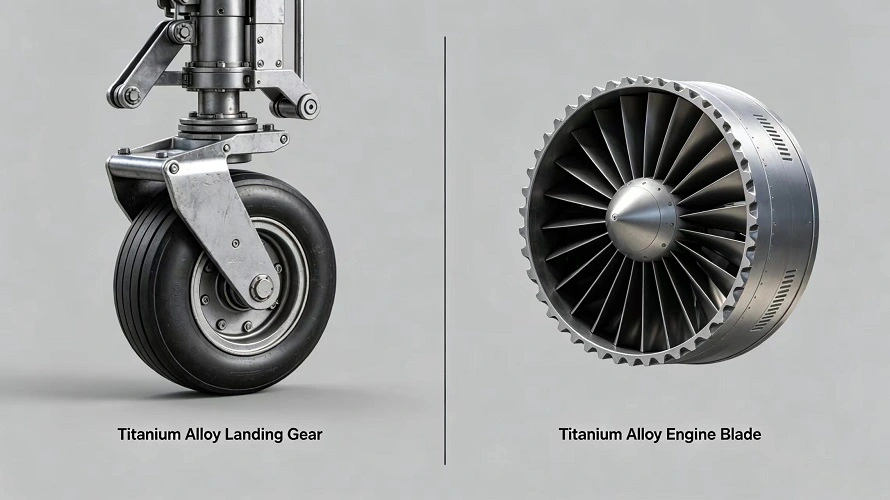
Ti-6Al-4V plate is used to make bulkheads, landing gear assemblies, engine bolts, and screws for the aerospace industry. The high strength-to-weight ratio of the material keeps the structure strong under cycle loads, and it also saves fuel, which lowers the cost of running an aeroplane. Defence companies use Grade 5 titanium for parts that are likely to break in a catastrophic way. Because it doesn't wear, the metal stops fractures from spreading. This solves the problem of how to get consistent and reliable materials. AMS 4911 compliance makes sure that the supply chain can be tracked and that products are certified.
Medical and Biomedical Devices
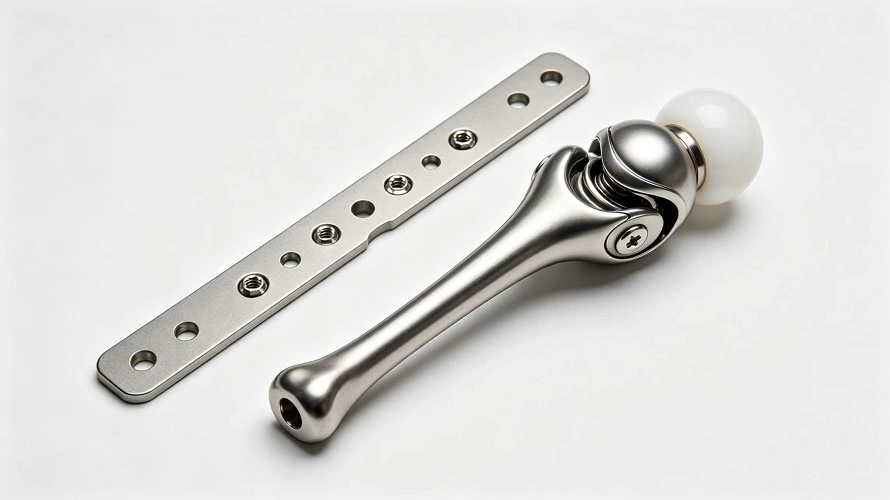
Because it is biocompatible and doesn't rust, the Ti-6Al-4V plate is needed for orthopaedic implants, dental fittings, and surgery tools. The material is safe and won't cause allergies or toxicity, which helps the bone grow together, which implant makers like. Meets legal standards for resistance to multiple sterilisation processes. ISO 5832-3 and ASTM F136 both say that medical-grade plates must be made in clean, controlled environments with strict quality control. Precision machining can make complicated forms for implants that are made just for one patient, showing that the material has a lot of industrial potential.
Chemical Processing and Industrial Equipment
Contractors and companies that make tools for chemical plants use Ti-6Al-4V plate to make heat exchangers, reaction tanks, and pipes that don't rust. Keeping equipment safe from salt and organic acids lowers the cost of repairs and makes it last longer. Because the metal is strong at high temperatures, it makes industry processes run more smoothly. Titanium-clad plates and custom manufacturing make it cheaper to add titanium to systems that are already made of stainless steel. These technologies help industrial system developers make their tools last longer and cost less over their lifetime.
Procuring Ti-6Al-4V Titanium Plates: What B2B Buyers Need to Know?
Ti-6Al-4V plate buyers need to know what the seller can do, how to make sure the product is good, and what the market trends are. Smart buyers avoid risk and get goods that are made for their specific projects.
Supplier Evaluation Criteria
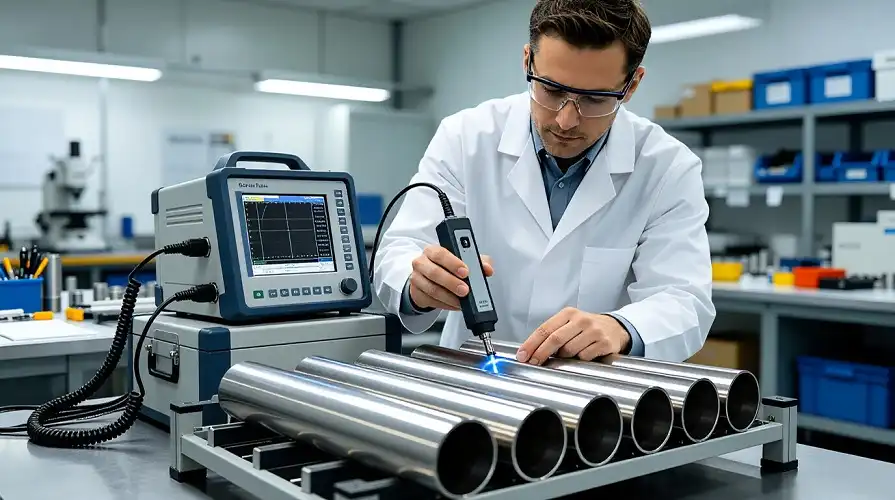
Quality badges are used to judge suppliers. Compliance with ASTM B265 guarantees minimum mechanical property standards, while AMS 4911 certification is needed for aircraft use. AMS 2631 or ASTM B594 ultrasonic testing can find internal flaws that could put the structure's stability at risk. Metallographic analysis supports the spread of the alpha and beta phases and the absence of the alpha case, a thin, brittle layer on the surface that shortens the fatigue life. Validation of the chemical makeup shows hydrogen amounts below 0.0125% to keep the material from becoming weak. Buyers in aerospace and medicine trust sellers who give full test results and paperwork for tracking materials.
Pricing and Lead Time Considerations
Ti-6Al-4V plate prices are affected by the cost of raw materials, the difficulty of production, and the demand in the market. Long-term supply deals are used in aircraft, while large-scale contracts for chemical equipment last between six and eighteen months. For urgent orders, suppliers with a lot of stock are best because shipping times are affected by stock supply. Lead times are longer because of the unique size and surface treatment standards, but parts come ready to be used in other processes. Knowing about these things helps buying teams make good plans and negotiate.
Quality Control and Inspection Requirements
Thorough checks help buyers avoid expensive flaws in the material. The ASTM E8 tensile test and the ASTM E290 bend test make sure that the mechanical properties meet grade standards. A microstructure study makes sure that the heat treatment is done right and that there are no unwanted stages. For important uses, buyers should look for proof that the product meets industry standards and specifications. Third-party labs take longer to turn around work for suppliers who have their own testing and quality management systems.
Why Choose Jucheng Titanium for Your Grade 5 Ti-6Al-4V Plates?
Baoji Jucheng Titanium Industry Co., Ltd. has been helping people all over the world make titanium products since 2004. The Baoji-based company was the first private titanium business in Shaanxi Province to list on the National Equities Exchange and Quotations in 2017. Jucheng Titanium is a specialised "little giant" and a National High-Tech Enterprise. It has 4 innovation patents and 41 usage model patents that cover industrial processes.
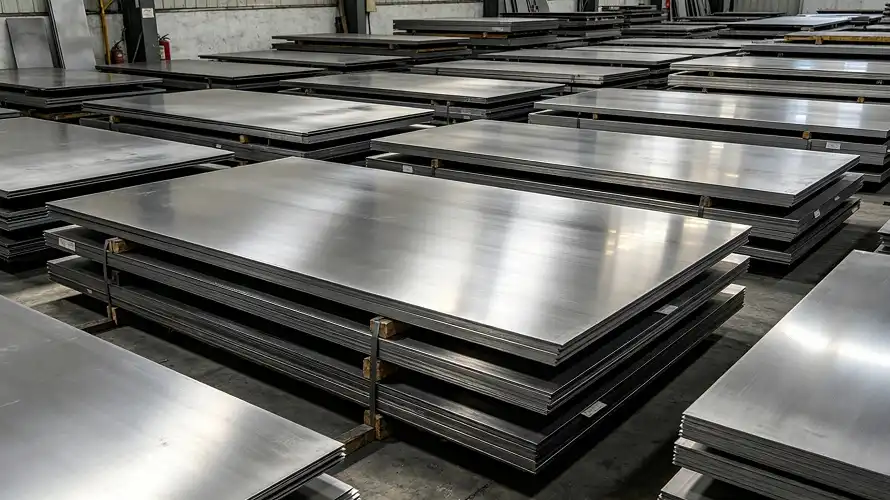
Because the company keeps 3,000 tonnes of titanium materials on hand all year, they can finish projects quickly. Aerospace and chemical equipment makers have a hard time with long wait times. This stock position takes care of the problem. Hot-rolled Ti-6Al-4V plates can be made to meet the requirements of ASTM B265, AMS 4911, and ASME SB265. They can be 4 mm thick to 80 mm thick, up to 2500 mm wide, and up to 10,000 mm long. Materials are ready to be made after they have been polished, machined, and acid-pickled to meet client standards.
The ways that Jucheng Titanium ensures the quality of its products meet the worldwide approval standards for aircraft and medical buyers. Northwest University, Tsinghua University, and the Northwest Institute for Nonferrous Metal Research all have professional technical research and development teams that work together to make titanium processing better. Titanium products have done well in the chemical, food processing, medical, aircraft, and marine businesses thanks to new ideas. The company's 120,000-square-meter plant makes more than 500 sets of titanium tools every year, which shows how big it is and how well it can handle big industry projects.
In the global market, Jucheng Titanium sticks out with services that centre on the customer. OEM partner needs are met by manufacturing and processing that are tailored to customer plans and specs. A full after-sales service management staff is available to help with everything from choosing the right materials to fixing tech issues right away. Distributors, companies that make equipment, and research centres like these traits because they show dependability and willingness to work together in long-term supply relationships.
Conclusion
Titanium plate grade 5 (Ti-6Al-4V) is very strong, doesn't rust, and can be used in a lot of different ways. Because it is very strong mechanically, biocompatible, and resistant to environmental damage, it is perfect for building aeroplanes, medical devices, and tools used in chemical processing. If procurement pros know what the metal is made of, how it reacts to heat treatment, and how it performs better than other materials, they can lower lifetime costs and meet strict quality standards. To meet project dates and requirements, you need certified vendors who can do a lot of testing, customisation, and keep their supplies stable.
FAQ
Q1: What distinguishes Grade 5 Ti-6Al-4V from commercially pure titanium?
Grade 5 is stronger and heat-treatable than commercially pure titanium. CP titanium is corrosion-resistant, Ti-6Al-4V's alpha-beta microstructure has tensile strengths of 895 MPa, approximately double that of Grade 2 CP titanium. This strength advantage reduces structural weight while preserving aerospace and defence safety margins.
Q2: How does heat treatment affect Ti-6Al-4V mechanical properties?
Heating, solution treating, and aging can customise strength and ductility for specific applications. Balanced microstructure with appropriate toughness is achieved by annealing at 700°C–850°C and regulated cooling. Solution treatment at higher temperatures followed by quick quenching and aging can enhance strength but reduce ductility. These processing methods allow for different mechanical property demands.
Q3: What should buyers prioritise when selecting a Ti-6Al-4V plate supplier?
Test capability, certification compliance, and material traceability should be prioritised. Suppliers satisfying ASTM B265, AMS 4911, and ISO standards exhibit quality management. Ultrasonic testing, chemical composition verification, and mechanical property recording ensure material integrity. Inventory, customisation, and rapid technical assistance distinguish providers who can manage complicated projects with tight deadlines by sourcing high-quality Ti-6Al-4V plate materials.
Partner with a Certified Ti-6Al-4V Plate Manufacturer
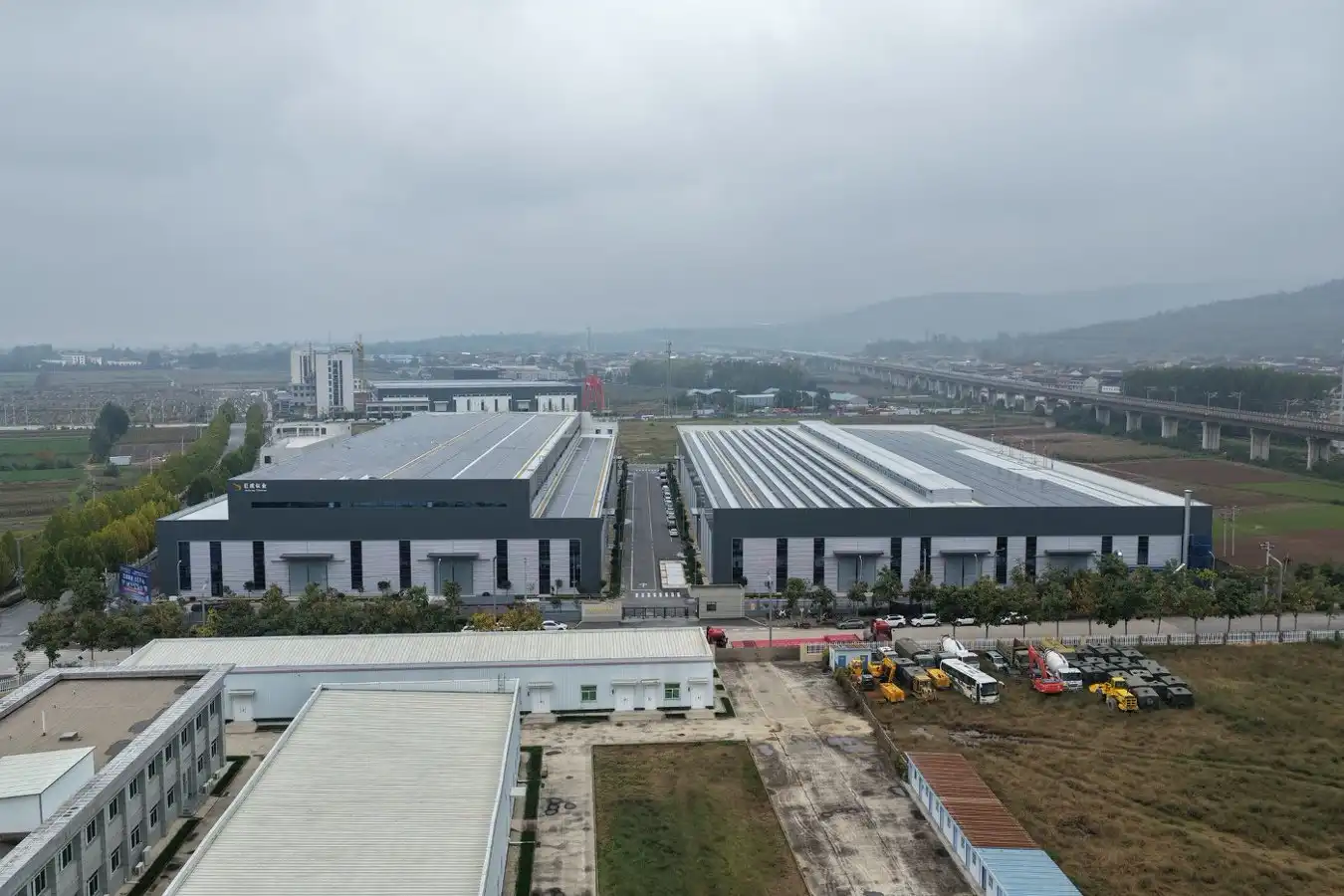
Jucheng Titanium offers certified Grade 5 Ti-6Al-4V plates with extensive testing and documentation for titanium procurement. Our reliability and technical competence meet the needs of aircraft, medical device, and chemical equipment manufacturers as a 20-year titanium supplier with 3,000 tons of material inventory. Our customisation, ASTM B265 and AMS 4911-compliant quality assurance, and fast after-sales support assure project success. Contact our technical staff at s4@juchengti.com to discuss your specs, obtain full prices, and learn how our Ti-6Al-4V plate solutions can improve your manufacturing processes and satisfy the highest quality standards.
References
1. American Society for Testing and Materials. (2021). ASTM B265-20a: Standard Specification for Titanium and Titanium Alloy Strip, Sheet, and Plate. West Conshohocken, PA: ASTM International.
2. Boyer, R., Welsch, G., & Collings, E.W. (1994). Materials Properties Handbook: Titanium Alloys. Materials Park, OH: ASM International.
3. Donachie, M.J. (2000). Titanium: A Technical Guide, 2nd Edition. Materials Park, OH: ASM International.
4. Lütjering, G., & Williams, J.C. (2007). Titanium, 2nd Edition. Berlin: Springer-Verlag.
5. Peters, M., Kumpfert, J., Ward, C.H., & Leyens, C. (2003). Titanium Alloys for Aerospace Applications. Advanced Engineering Materials, 5(6), 419-427.
6. Veiga, C., Davim, J.P., & Loureiro, A.J.R. (2012). Properties and Applications of Titanium Alloys: A Brief Review. Reviews on Advanced Materials Science, 32(2), 133-148.