
Is the Grade 2 titanium round rod of good quality?
Yes, the grade 2 titanium round rod is of exceptional quality and stands as the industry workhorse for commercially pure titanium applications. Designated as UNS R50400, it delivers a reliable balance of moderate strength, outstanding corrosion resistance, and superior ductility. This material excels in environments where stainless steel fails—resisting seawater, wet chlorine, and oxidizing acids without pitting or stress corrosion cracking. Its controlled chemical composition, adherence to ASTM B348 standards, and proven performance across aerospace, chemical processing, and marine sectors confirm its reputation as a trusted, high-quality material for demanding industrial applications.
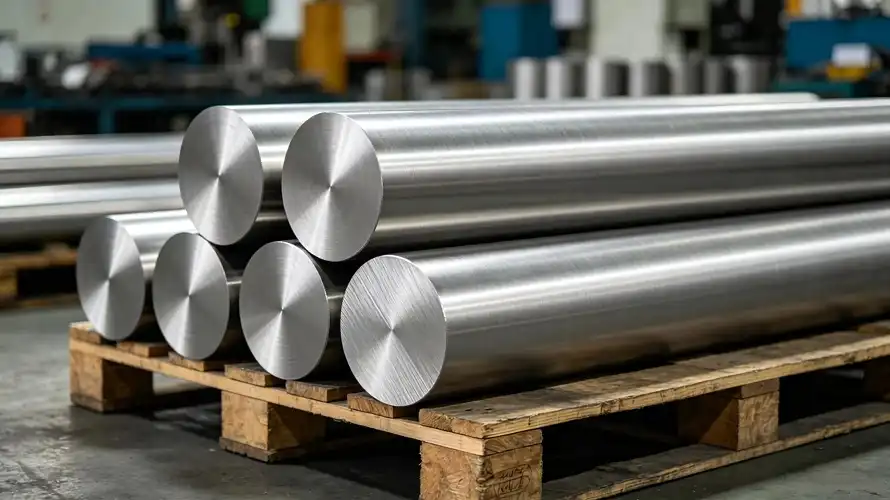
Understanding Grade 2 Titanium Round Rod Quality
Chemical Composition and Core Properties
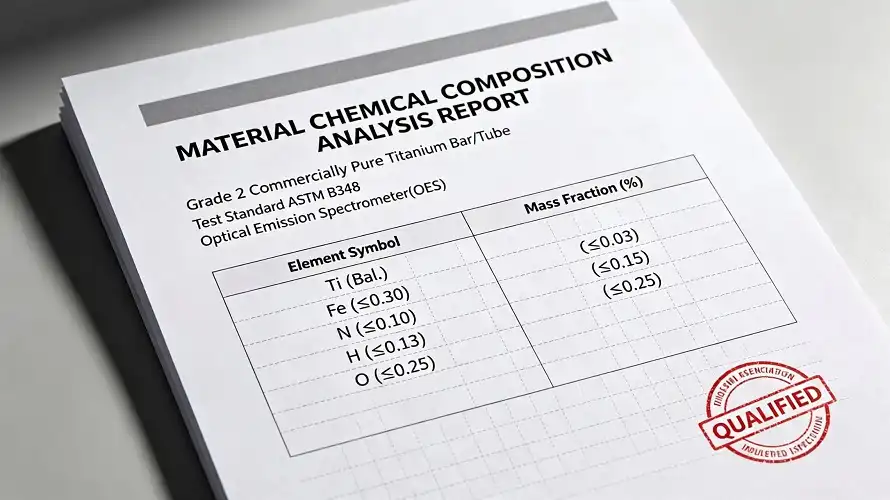
The specific chemical constitution of commercially pure titanium round bars determines their quality. The balancing element in grade 2 titanium round rod is titanium, with iron at 0.30%, oxygen at 0.25%, carbon at 0.08%, and nitrogen at 0.03%. Interstitial elements are tightly controlled to maintain ductility and formability and ensure uniform mechanical performance throughout production batches.
This material is unique in its physical profile, with a density of 4.51 g/cm³, 60% lighter than steel, and a melting temperature approaching 1660°C. Shock absorption in dynamic load applications is enhanced by its low thermal conductivity and modulus of elasticity at 105 GPa, nearly half that of steel. Procurement professionals seeking lightweight, structurally sound materials profit from these traits.
Mechanical Performance Standards
Mechanical dependability determines industrial material quality. Grade 2 titanium round stock has a minimum ultimate tensile strength of 345 MPa and a yield strength of 275 MPa with 20% elongation. Cold forming techniques that fracture Ti-6Al-4V can be done, decreasing manufacturing costs and increasing design freedom.
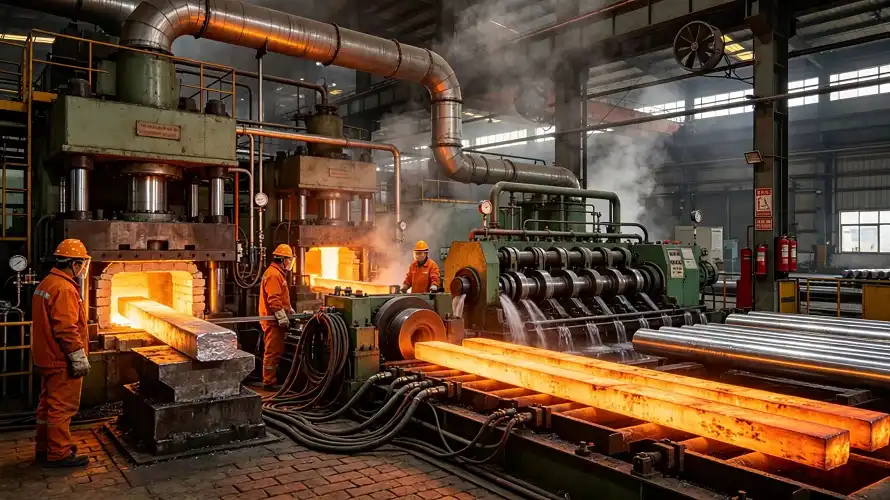
Annealed items operate well right out of the box. Vacuum melting, forging, hot rolling, rotary forging, and centerless grinding or turning provide homogeneous grain structures that withstand fatigue and retain dimensional stability. Rods are polished, pickled, and sandblasted for sterile medical uses and severe chemical exposure.
Real-World Application Performance
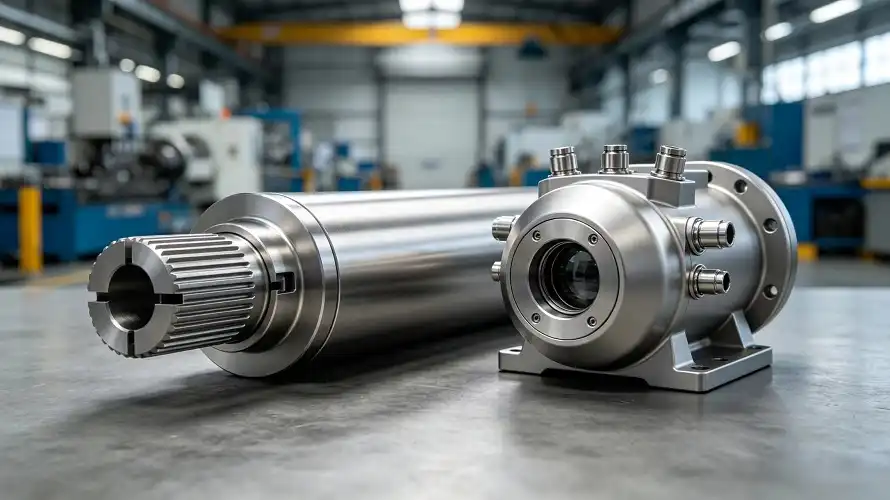
Quality is proven by decades of fieldwork. Valve stems and pump shafts made from these rods endure highly oxidizing media and moist chlorine gas without deterioration, saving costly process contamination in chemical processing facilities. Marine engineering uses this material for subsea instruments and desalination equipment since biological fouling and microbiologically driven corrosion degrade weaker materials. Seawater lifecycles sometimes surpass 20 years without maintenance.
Power plants employ titanium tie-rods and heat exchanger components for continuous efficiency due to thermal stability and erosion-corrosion resistance. The material's traceability and certification help aerospace component producers fulfill strict AMS 4921 criteria. Medical device manufacturers appreciate ASTM F67 biocompatibility for implant safety and regulatory approval. These various applications prove excellence via important, high-stakes deployments, not lab claims.
Comparison: Grade 2 Titanium Round Rod vs Other Materials
Grade 2 vs Grade 5 Titanium Alloy
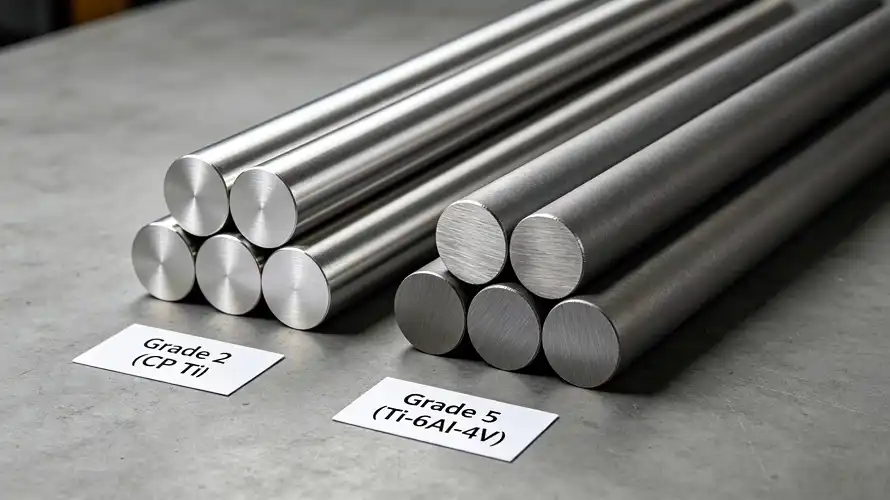
Understanding material trade-offs influences procurement decisions. Grade 5 titanium, Ti-6Al-4V, is an alpha-beta alloy with 895 MPa minimum tensile strength, twice that of grade 2 titanium round rod. Formability and machinability are sacrificed for strength. Grade 5 needs aggressive tooling and resists cold forming, increasing production time and tool wear. To avoid brittleness, Grade 5 welding requires post-weld heat treatment, complicating the procedure.
Grade 2 titanium round rod excels at manufacturing ease. Its high weldability permits connecting without heat treatment, simplifying assembly. Lower hardness cuts machining costs and increases cutting tool life. Grade 2 titanium round rod offers superior cost-performance for moderate-stress corrosion-resistant projects than maximum structural strength. Grade 2's balanced qualities help chemical, maritime, and architectural equipment more than Grade 5's excessive strength.
Titanium vs Stainless Steel Alternatives
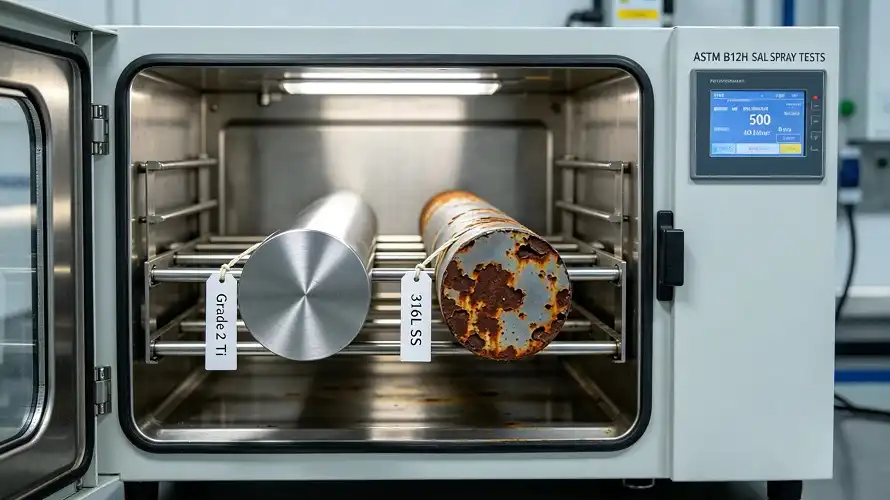
Lower initial material prices make 316L stainless steel an appealing option. Lifecycle analysis shows various economic benefits. Pitting and crevice corrosion cause stainless steel to need regular replacement or expensive coatings in chloride-rich environments. Titanium round bars resist saltwater corrosion up to 260°C without maintenance.
In mobile or weight-sensitive apps, weight matters greatly. Titanium's 60% weight reduction over steel reduces marine vessel fuel consumption, aerospace assembly structural stresses, and installation handling. Steel's larger modulus of elasticity may appear favorable, but titanium's flexibility increases dynamic service vibration damping and impact resistance. Corrosion replacement cycles, maintenance downtime, and energy savings favor titanium in total cost of ownership assessments. These characteristics explain why offshore platforms, chemical tankers, and power condensers choose commercially pure titanium despite greater upfront costs.
How to Assess and Choose Quality Grade 2 Titanium Round Rod
Certification and Material Traceability
Quality assurance starts with paperwork. Reliable providers supply mill test results for ASTM B348, ASME SB348, and AMS 4928 compliance. The chemical analysis from production heat, mechanical test findings, and traceability codes tying the material to manufacturing records are in these reports. Medical applications need ISO 5832-3 certification for biocompatibility testing.
Buyers should check heat numbers match the material marks on certifications. Lloyd's Register and TÜV inspection reports lend legitimacy to high-value aerospace and defense contracts. Using forging records, vacuum melting settings, and raw material sources to track a grade 2 titanium round rod protects against counterfeit materials that might enter supply chains. Critical application procurement teams must maintain this record, the only objective evidence of material validity before machining.
Supplier Evaluation Criteria
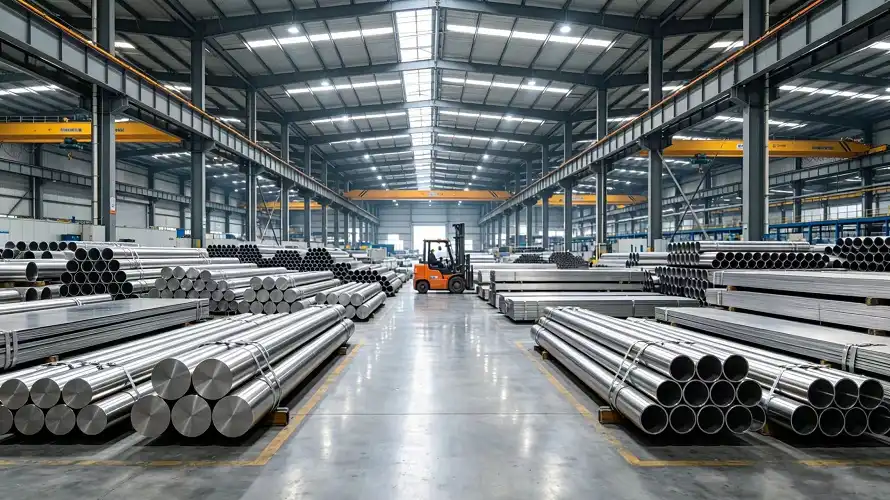
Credible suppliers distinguish consistent excellence from occasional disappointments. Titanium companies with 20 years of experience have process consistency and technological depth that newcomers lack. Producing over 500 equipment sets and keeping 3,000 tons of inventory shows financial stability and volume expertise.
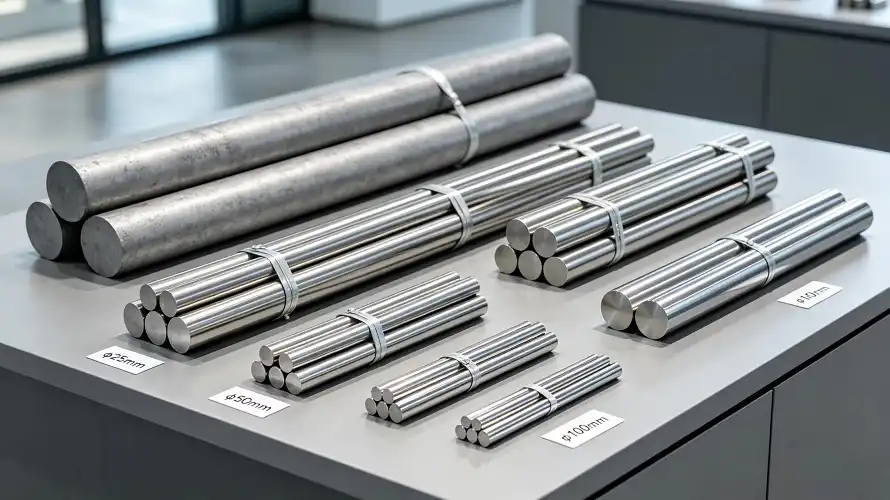
A focused query shows supplier competence: How is oxygen content regulated during melting? What non-destructive testing follows forging? Guaranteeing tighter dimensional tolerances than standard? Companies providing bespoke lengths up to 12,000mm and diameters from 6mm to 450mm demonstrate manufacturing flexibility for uncommon project requirements. Collaborations with universities and nonferrous metal institutes show commitment to progress. Suppliers with invention and utility model patents for industrial processes show innovation beyond commodity trade, reassuring buyers.
Understanding Pricing and Lead Time Factors
Titanium prices depend on sponge titanium commodities markets, alloy complexity, and order volume. Grade 2 is cheaper than alloyed grades because of its simpler composition; however, diameter, length, and surface polish affect pricing. Distributors and major manufacturers benefit from bulk order savings and competitive wholesale prices from suppliers.
Specifications that match regular inventory or need unique manufacturing runs affect lead times. Stocking several sizes allows fast delivery—sometimes within days for popular measurements. Custom orders with non-standard lengths, surface treatments, or third-party inspection could take weeks or months. By knowing minimum order numbers, procurement teams may optimize purchase cycles and balance inventory risk against unit economics. Experienced suppliers openly address these issues, allowing realistic project timing and budget allocation without delays or cost overruns.
Best Practices for Handling and Machining Grade 2 Titanium Round Rod
Machining Techniques and Tool Selection
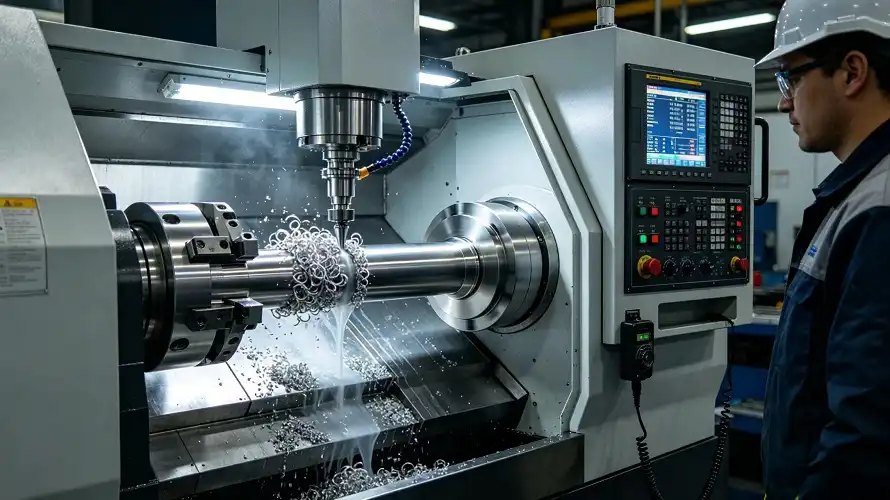
Commercially pure titanium galls and has limited heat conductivity, making machining difficult. To reduce heat, utilize sharp, positive rake angle tools and cut at 50-70% of mild steel rates. Carbide or polycrystalline diamond tooling keeps edges sharper than high-speed steel over long runs. Chip welding to the tool face causes premature tool failure. Flood coolant prevents it.
Speed and feed rates important. Ensuring proper chip load avoids cut surface work hardening, which quickly dulls future passes. Climb milling improves surface quality and dimensional accuracy by reducing cutting forces. Sulfur-based cutting chemicals improve friction without damaging titanium during threading. Grade 2 titanium round rod's springback and inclination to deflect under cutting pressure may be overcome by stiff setups and gradual depth cuts for machinists switching from steel or aluminum. Understanding these material-specific tendencies reduces scrap and boosts titanium round stock turning, drilling, and milling productivity.
Welding and Heat Treatment Guidelines
Commercially pure titanium welding requires inert gas shielding to avoid contamination. Argon shielding on the weld face and backside prevents oxygen and nitrogen pickup from embrittling the heat-affected zone, maintaining corrosion resistance. Many applications require clean, robust titanium joints without filler metal, which TIG welding provides the finest control.
Unlike higher-alloy titanium grades, Grade 2 welds seldom need post-weld heat treatment to restore mechanical properties. This streamlines fabrication and cuts energy expenditures. Relaxing residual tensions at 480-595°C helps components with tight tolerances avoid dimensional drift during service. Annealing cycles restore ductility following cold working; most vendors offer annealed material. Heat treatment atmospheres must be inert or under vacuum to prevent corrosion-compromising surface oxidation. These thermal process controls maintain raw material quality gains during component manufacture.
Storage and Surface Protection
Pre-use material deterioration lowers quality independent of supplier quality. Clean, dry titanium round bars should be maintained away from carbon steel that might induce galvanic contamination. Titanium resists air corrosion, but abrasion to the oxide layer creates stress concentration sites.
Surface treatments are utilitarian rather than decorative. Pickled surfaces have homogeneous oxide coatings for welding preparation or chemical exposure. Healthcare and food processing equipment benefit from polished bright coatings that limit bacterial growth. Protective components benefit from sandblasted paint or coating adherence. Surface treatment selection during purchase avoids costly subsequent processing. Protective wrapping before transport and storage preserves centerless grinding or turning accuracy. These safeguards assure the mill test report-certified quality reaches the machinist's lathe in top shape.
Why Choose Grade 2 Titanium Round Rod?
Corrosion Resistance and Lifecycle Economics
Decades of maintenance-free service make commercially pure titanium a compelling business proposition. Chemical facilities that replace stainless steel pump components every 2-3 years with grade 2 titanium round rod replacements save money on downtime and spare parts. Marine equipment designers choose titanium without cathodic protection devices or sacrificial anodes, simplifying installations and reducing maintenance costs.
Total cost of ownership benefits from corrosion immunity, balancing higher initial material costs. Capital expenditure managers increasingly consider lifecycle value while making procurement choices. Titanium resists oxidizing acids, chlorides, and saltwater, making it valuable in applications that would otherwise need complex, costly alloys. No cracking, delaminating, or reapplication is needed for the material's reliability. Grade 2 titanium round stock is economically viable for discriminating procurement experts controlling long-term asset performance due to its durability.
Lightweight Strength Advantages
Industry-wide weight reduction saves money. Titanium bar aerospace components exceed structural load standards and enhance fuel efficiency, unlike heavier alternatives. By replacing steel with titanium in topside equipment, offshore platform designers minimize foundation stresses and increase stability. Surgical tools made by medical equipment businesses alleviate surgeon fatigue during long surgeries without compromising strength or sterilization.
The density of 4.51 g/cm³ allows for designs previously limited by material weight. With lighter titanium links and actuators, robotics and automation systems cycle more quickly. Materials optimization helps transportation equipment makers satisfy stricter emissions rules. These applications show how commercially pure titanium's physical qualities offer competitive benefits beyond material replacement. Performance increases from this strength-to-weight ratio help engineering teams stand out in crowded markets.
Supplier Strengths and Customization Capabilities
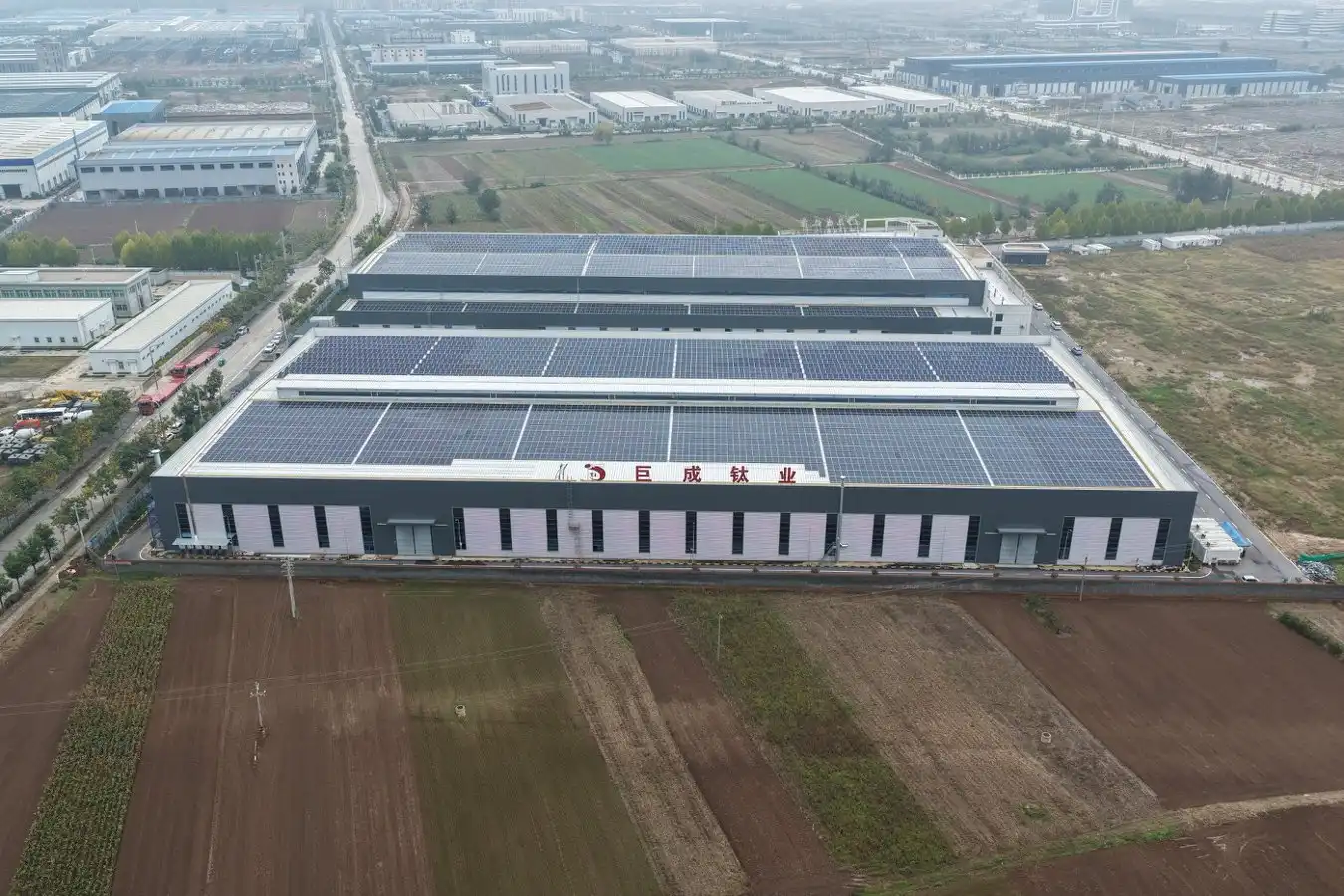
The supplier features of Baoji Jucheng Titanium Industry Co., Ltd. turn superior materials into procurement relationships. For over 20 years, the business has combined profound technical competence with production scale—3,000 tons of inventory facilitates speedy fulfillment of urgent requirements, and customizing capabilities extend to 12-meter lengths and diameters up to 450mm in China's Titanium Valley. This versatility allows for common and exceptional needs without custom order delays.
The firm continuously innovates titanium processing technologies with 4 inventions and 41 utility model patents. National High-Tech Enterprise and specialized "little giant" status certify technological capability through government assessment. Over 500 equipment sets per year demonstrate manufacturing capabilities to serve huge projects without supply disruptions. Research access through Tsinghua and Northwest University partnerships maintains processing technologies current with commercial improvements. The quality assurance systems procurement professionals need for important applications are created via institutional ties and ASTM B348 certifications.
Conclusion
Chemical composition control, mechanical property consistency, and decades of field performance in demanding applications support commercially pure titanium round bars. If corrosion resistance, formability, and lifetime economics are factors, material comparisons show benefits over higher-strength titanium alloys and stainless steel. Beyond price comparison, excellent suppliers must have rigorous certification, production transparency, and technical assistance.
Machining and fabrication best practices guarantee material quality during manufacture, while good storage preserves it until machining. Grade 2 titanium round rod is cost-effective for chemical processing, maritime engineering, medical devices, and industrial equipment because to its corrosion resistance, lightweight strength, and overall cost. Procurement experts working with skilled suppliers get project-critical material quality and technical competence.
FAQ
Q1: What distinguishes Grade 2 from other commercially pure titanium grades?
Grade 2 titanium round rod is the midpoint of the commercially pure range, combining strength and formability better than Grade 1 and ductility better than Grade 3 and Grade 4. The highest oxygen content—0.25%—provides structural strength while keeping cold formability that higher grades lose. It is the most flexible option for fabricators that need corrosion resistance and simplicity of use.
Q2: Can these rods be welded to dissimilar metals?
Direct titanium welding to steel or aluminum yields brittle, stress-failure intermetallic composites. Joining dissimilar metals needs mechanical fastening, explosive bonding, or transition pieces to avoid metallurgical contact. TIG welding with argon shielding produces titanium-to-titanium welds with joint strengths surpassing base material standards.
Q3: How do I verify material authenticity?
Material having mill test reports, heat-specific chemical analysis, mechanical test findings, and traceability codes is authentic. Reliable vendors automatically give these papers and allow certification authenticity verification by issuing laboratories. Physical examination should verify that material marks match paperwork. Third-party material testing by independent labs verifies crucial parameters before machining.
Contact Jucheng Titanium for Your Grade 2 Titanium Round Rod Supplier Needs
In worldwide B2B relationships, Baoji Jucheng Titanium Industry Co., Ltd. contributes almost two decades of titanium processing expertise. Our 3,000-ton year-round inventory provides fast delivery of conventional sizes, while customizing capabilities accommodate 6mm to 450mm diameters and 12m lengths. Every order comes with ASTM B348, AMS 4928, and ISO 5832-3 compliance paperwork, offering procurement teams the traceability confidence they need for aeronautical, medical, and chemical applications. To discuss your grade 2 titanium round rod needs, obtain mill test reports, or organize quality sample shipments, contact our technical staff at s4@juchengti.com.
References
1. ASTM International. (2021). Standard Specification for Titanium and Titanium Alloy Bars and Billets (ASTM B348-21). West Conshohocken: ASTM International.
2. Boyer, R., Welsch, G., & Collings, E.W. (1994). Materials Properties Handbook: Titanium Alloys. Materials Park: ASM International.
3. Donachie, M.J. (2000). Titanium: A Technical Guide, 2nd Edition. Materials Park: ASM International.
4. Schutz, R.W. & Thomas, D.E. (1987). Corrosion of Titanium and Titanium Alloys. In Metals Handbook, Volume 13: Corrosion. Materials Park: ASM International.
5. Peters, M., Kumpfert, J., Ward, C.H., & Leyens, C. (2003). Titanium Alloys for Aerospace Applications. Advanced Engineering Materials, Volume 5, Issue 6.
6. Lutjering, G. & Williams, J.C. (2007). Titanium, 2nd Edition: Engineering Materials and Processes. Berlin: Springer-Verlag.