
High-Strength Grade 5 Titanium Seamless Tube for Oil & Gas
When oil and gas operations strain equipment to pressure, corrosion, and temperature limitations, material selection is crucial. The grade 5 titanium seamless tube, made from Ti-6Al-4V alloy with 6% aluminum and 4% vanadium, is a breakthrough for downstream and upstream applications where failure is unacceptable. This high-performance tubular product has no welded seams and provides homogeneous structural stability. This alloy has the highest strength-to-weight ratio of standard industrial titanium materials, making it ideal for subsea instrumentation housings, high-pressure hydraulic lines, and corrosive downhole environments.
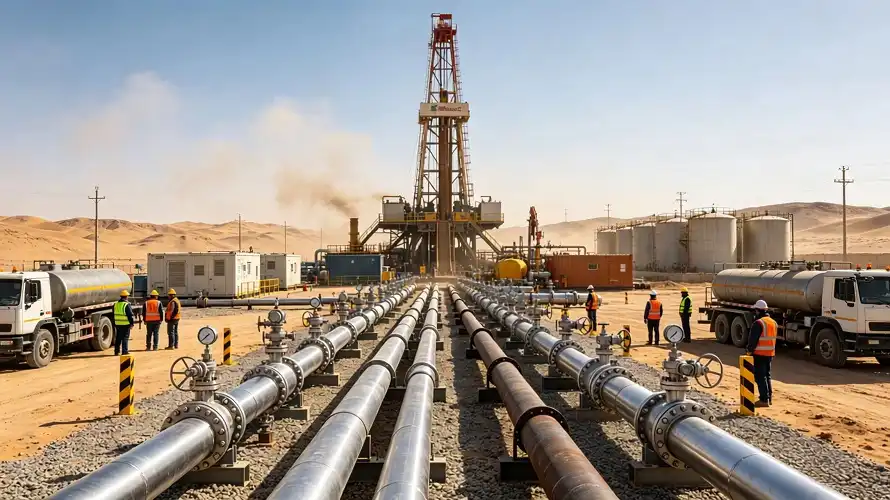
Understanding Grade 5 Titanium Seamless Tubes for Oil & Gas Applications
What Makes Grade 5 Titanium Seamless Tube Unique
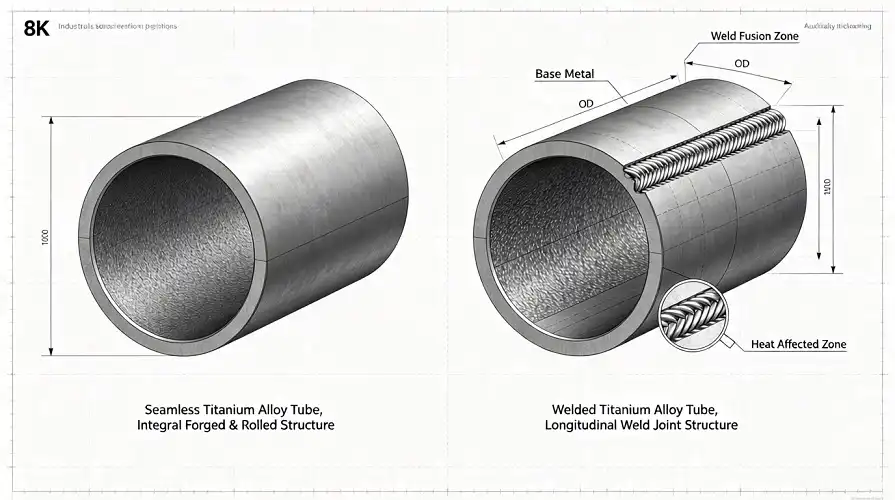
Without longitudinal welds, these grade 5 titanium seamless tubes respond differently under stress. Traditional welded tubes have weak areas where pressure cycling might shatter them. Seamless construction removes this weakness and builds hoop strength evenly around. Hot extrusion or rotary piercing hollows titanium billets without connecting. This method is useful in sour gas conditions with hydrogen sulphide, where weld heat-affected zones might break due to stress corrosion.
Chemical Composition and Mechanical Properties
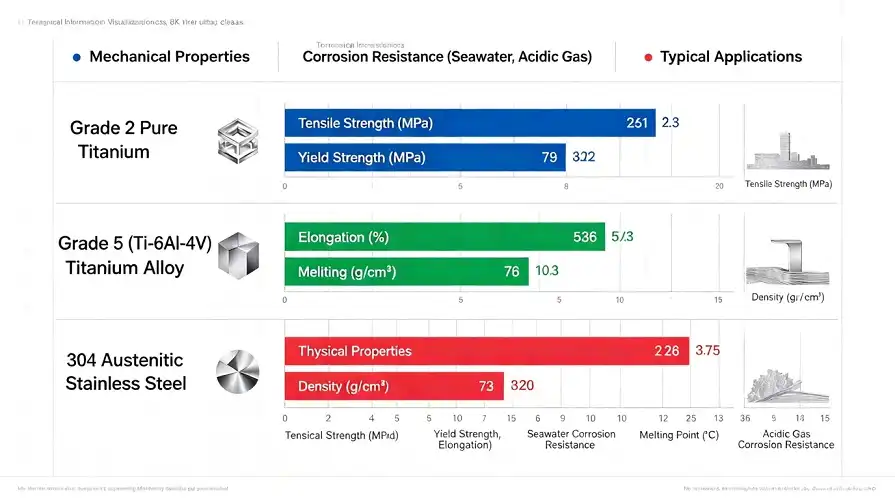
Performance numbers are excellent for Ti-6Al-4V. Minimum tensile strength is 895 MPa (130 ksi), and yield strength is 828 MPa (120 ksi), roughly treble Grade 2 commercially pure titanium. Alpha-beta phase microstructures provide strong strength and moderate ductility, although elongation is roughly 10%, necessitating cautious installation. Low density (4.43 g/cm³) results in a 45% weight reduction over steel components. This combination lets engineers build lighter structures without losing load-bearing capacity, lowering offshore platform installation costs and enhancing handling safety.
Compliance with International Standards
Procurement teams use specs to maintain material uniformity. Our seamless tubes meet ASTM B861 for general applications, B338 for condensers and heat exchangers, and AMS 4942 for aerospace crossovers. Petrochemical processing pressure vessel requirements are addressed by ASME SB338 certification. These specifications restrict interstitial elements—oxygen below 0.20%, nitrogen carefully controlled—to prevent embrittlement that might shorten service life in cryogenic or high-cycle fatigue settings.
Available Dimensions and Customization
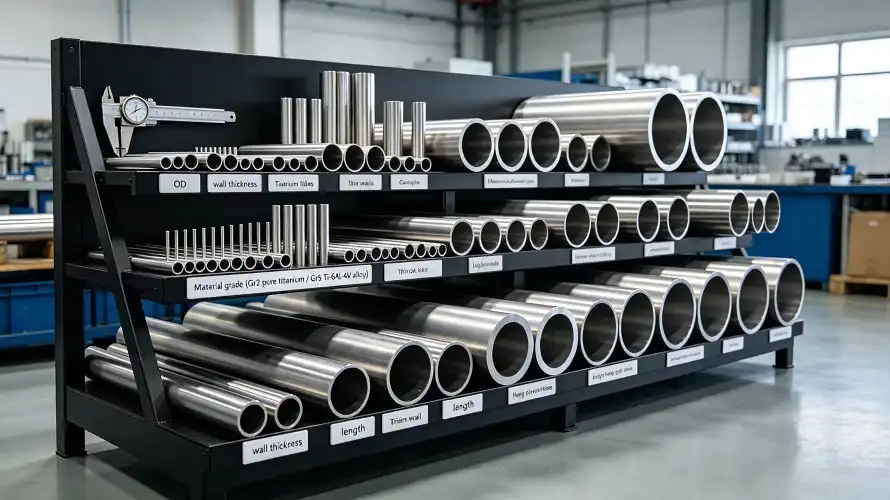
Standard manufacture covers 3mm to 219mm outside diameters and 0.5mm to 20mm wall thickness. Custom specs meet engineering needs for small-bore instrumentation tubing or large-diameter risers. Beyond Grade 5, we supply Grade 1, Grade 2, Grade 3, Grade 7, Grade 9, and Grade 12 grades for material selection based on corrosion chemistries and mechanical needs in oil and gas applications.
Why Grade 5 Titanium Seamless Tubes Are Ideal for the Oil & Gas Sector?
Superior Strength-to-Weight Performance
Offshore installations must balance structural requirements and weight. Every kilogram of topside equipment complicates platform loading and installation. Grade 5 titanium seamless tubes have high-strength steel-like mechanical strength but weigh half as much. Low crane capacity, easier transportation logistics, and cheaper project costs result from this benefit. Weight reduction is crucial for subsea manifold systems due to buoyancy.
Exceptional Corrosion Resistance in Harsh Environments
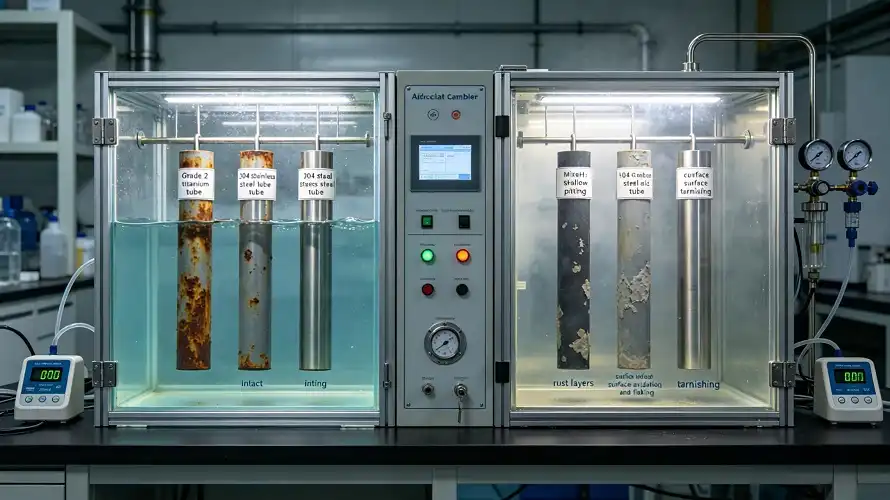
Over time, saltwater and sour gas degrade traditional materials. The natural passive titanium oxide layer on Ti-6Al-4V surfaces resists chloride-induced pitting and crevice corrosion. Titanium is compatible with a wider temperature and pH range than stainless steels, which require higher nickel and molybdenum content. This endurance increases service intervals, decreases maintenance shutdowns, and lessens the chance of catastrophic failures that stop production and cause environmental issues.
Temperature and Pressure Tolerance
Temperatures range from near-freezing deepwater to 400°C downhole during drilling and production. Grade 5 titanium seamless tubes are structurally stable across this range and thermally expand to decrease stress during thermal cycling. The material resists deformation under prolonged stresses, benefiting high-pressure applications. Hydraulic control lines above 5,000 PSI must be seamless to avoid rupture and deactivate key safety systems.
Material Comparison: Grade 5 vs. Alternatives
Performance trade-offs must be considered while choosing titanium grades and alloys. Grade 2 commercially pure titanium is corrosion-resistant but lacks structural strength. Stainless steel 17-4 PH has equal tensile strength but is heavier and chloride-sensitive. Grade 9 titanium (Ti-3Al-2.5V) has superior cold-forming properties than Grade 5 but less strength. Despite higher material prices, Ti-6Al-4V seamless tubes are best for applications that need weight, strength, and corrosion resistance.
Real-World Applications in Oil & Gas
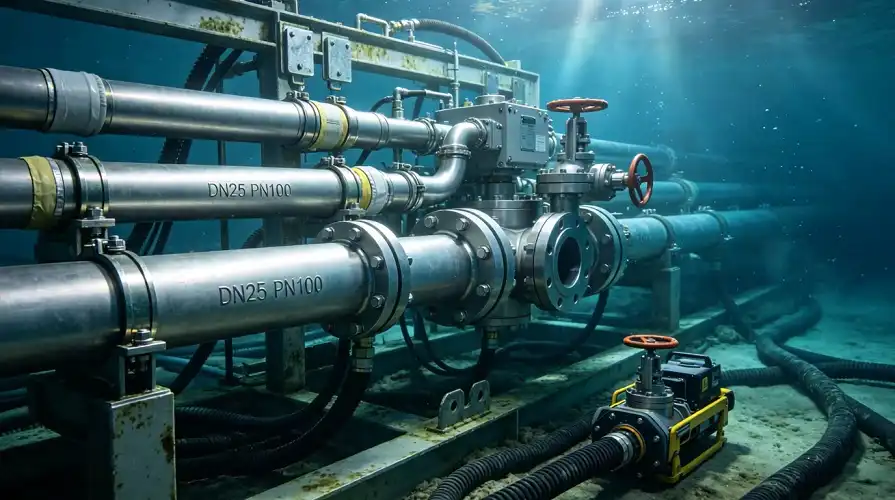
MWD and LWD tool housings must be non-magnetic to prevent sensor accuracy issues and endure hydrostatic pressures beyond 20,000 feet. The seamless titanium design minimizes magnetic disturbances from weld filler metals and provides constant wall thickness. Titanium's resistance to chemicals and saltwater benefits subsea chemical injection lines conveying corrosion inhibitors and scale preventers. Topside heat exchanger tubes in produced water treatment systems use thermal conductivity and fouling resistance to maintain efficiency over time.
How Grade 5 Titanium Seamless Tubes Are Manufactured and Quality Controlled
Seamless Production Process
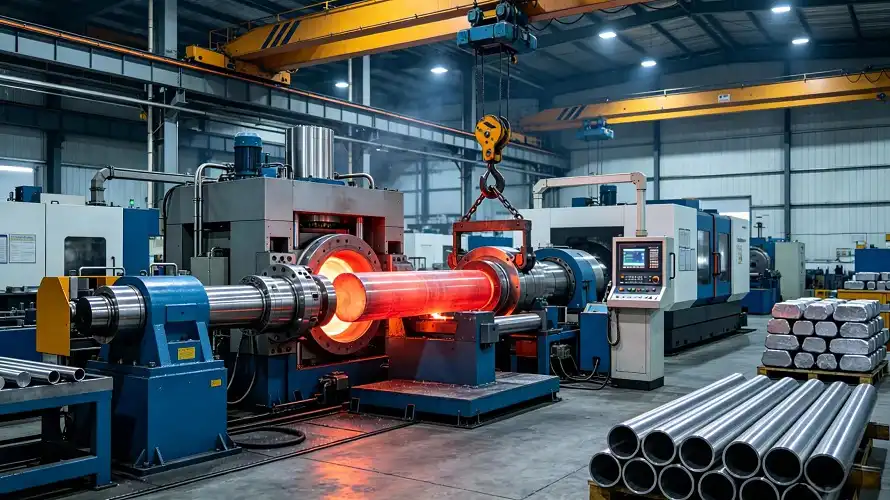
High-purity ingots with regulated chemistry are produced via vacuum arc remelting. These ingots become hollow shells by mandrel or rotational piercing during hot extrusion at 950-1050°C. Ti-6Al-4V's strong strength and low ductility make cold pilgering harder than processing softer grades, requiring intermediate annealing cycles between reduction processes. Cold rolling increases dimensions and surface polish, then solution annealing optimizes alpha-beta microstructure. Pickling with nitric-hydrofluoric acid eliminates surface scale, while straightening ensures dimensional tolerances match specifications.
Rigorous Quality Assurance Protocols
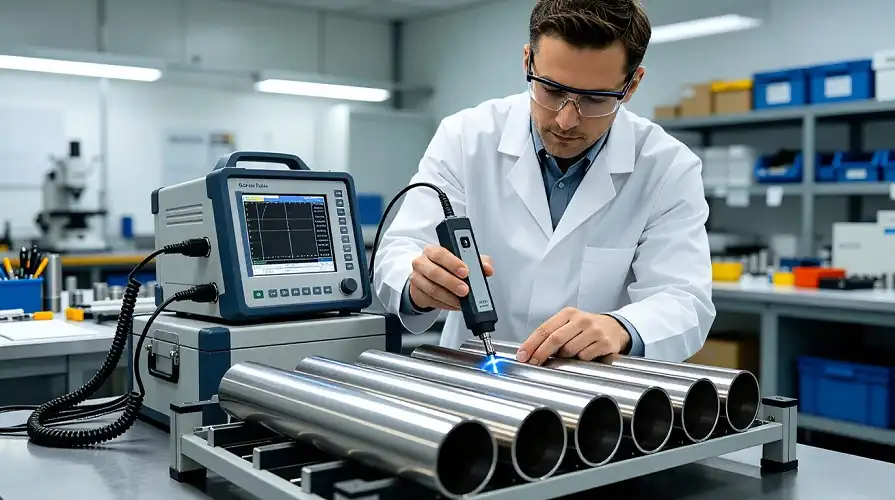
To check mechanical qualities and find faults, every production batch is tested for the grade 5 titanium seamless tube. Tensile testing validates yield and ultimate strength, while hardness measures quickly verify heat treatment success. Eddy current testing for surface and near-surface fractures, ultrasonic inspection for interior discontinuities, and hydrostatic pressure testing for pressure-containing applications are non-destructive testing methods. Optical emission spectrometry confirms alloy content, focusing on interstitial elements that affect ductility and fracture toughness.
Surface Finishing Options
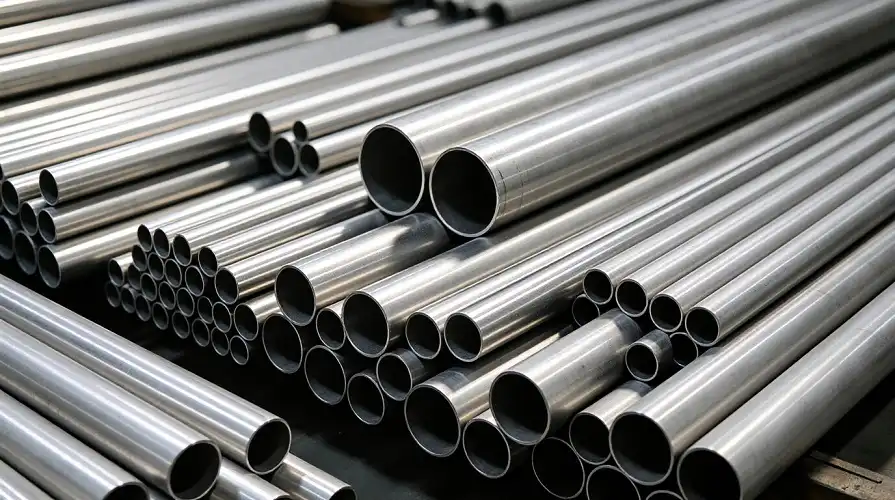
Surface treatments depend on applications. Bright annealing creates clean, oxide-free surfaces for welding and aesthetics. Acid pickling removes corrosion-causing impurities and leaves a matte gray surface. Mechanical polishing accomplishes particular surface roughness levels for fluid flow applications where interior finish affects pressure drop. Traceability and client requirements are verified for each finishing procedure.
Certifications and Material Traceability
Our material test reports (MTRs) include chemical composition, mechanical qualities, heat treatment parameters, and inspection findings for each production lot. Third-party inspection agencies verify ASTM, AMS, and ASME compliance. Full traceability from raw material suppliers to processing steps allows timely quality investigations and regulatory compliance in safety-critical applications.
Procurement Guide: Buying Grade 5 Titanium Seamless Tubes for Oil & Gas
Identifying Qualified Suppliers
Beyond pricing, choosing a manufacturing partner involves other criteria. ISO 9001 certification shows quality management system dedication, whereas API Q1 accreditation shows oil and gas knowledge. Titanium processing facilities and large inventories allow suppliers to respond swiftly to urgent project demands for a grade 5 titanium seamless tube. Technical support distinguishes commodity suppliers from partners who may help with material selection, specification interpretation, and application issues.
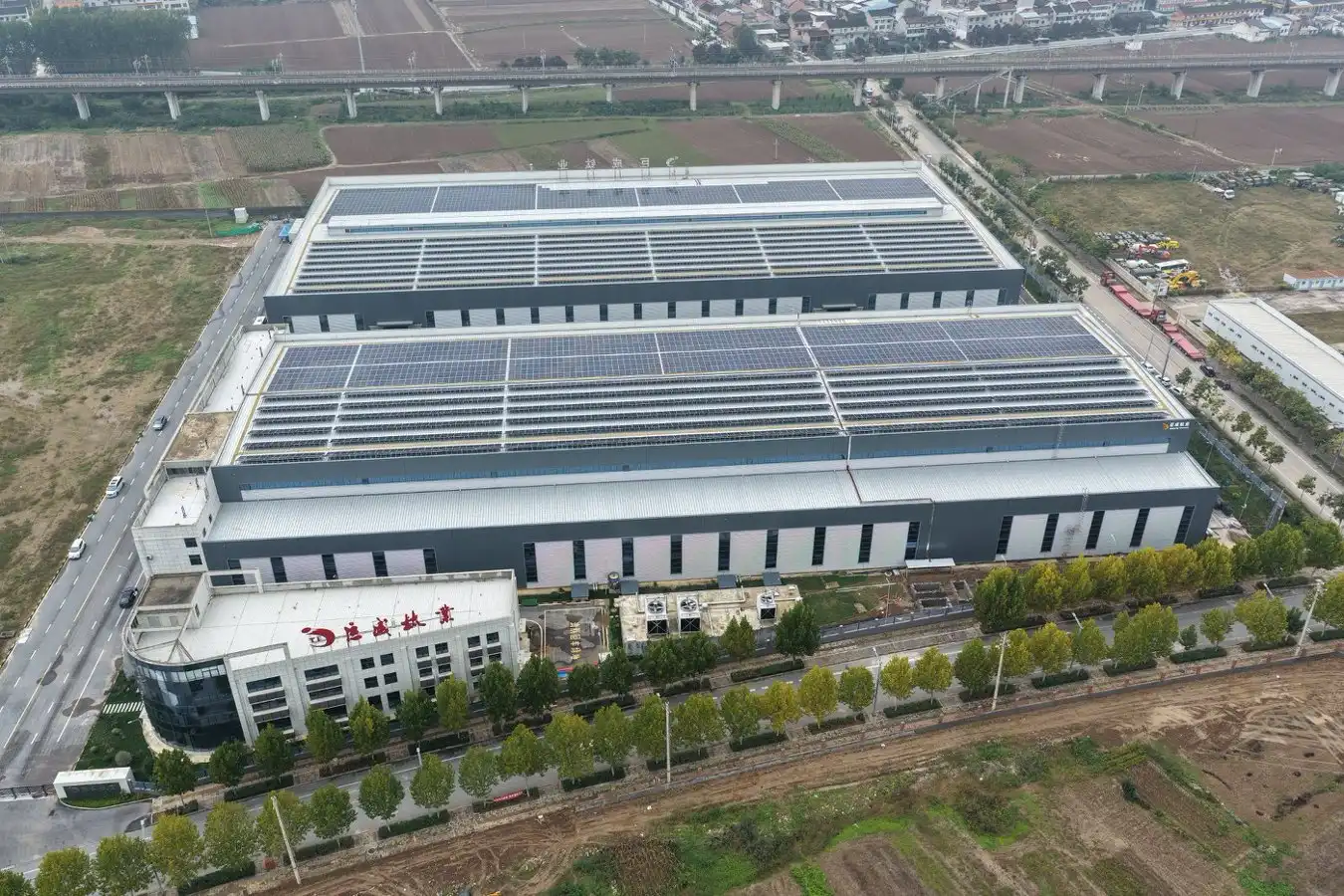
The 120,000-square-meter Jucheng Titanium factory in Baoji, China's Titanium Valley, has titanium processing equipment honed over two decades. Our 4 invention patents and 41 utility model patents show titanium production innovation, and our National High-Tech Enterprise and specialized "little giant" status showcase our technological skills.
Understanding Pricing Factors
Raw material commodity prices, manufacturing complexity, order volume, and specification requirements affect material costs. More intensive production methods make seamless tubes more expensive than welded ones. Grade 5 alloy costs more than commercially pure grades due to aluminum and vanadium additions and processing difficulties. Wall thickness homogeneity, surface polish, and dimensional precision affect price. Higher quantities qualify for volume discounts, with the best price at production-run minimums.
Lead Times and Logistics Considerations
Standard-size tubes from inventory ship within days; unique requirements needing special manufacturing runs take 6-12 weeks, depending on complexity and production queue. Ocean freight to North American ports takes 4-6 weeks. Air freight delivers urgently at a greater expense. Coordination of import tariffs, customs clearance, and domestic transit to final destinations is needed to prevent project delays.
Customization Capabilities and Minimum Orders
Engineering standards typically need non-catalogue measurements or features. When volumes warrant specialized manufacture, custom outer diameters, wall thicknesses, lengths, and surface treatments are possible. Standard sizes may have minimum order quantities of 50 kilograms, whereas special requirements may require 200-500 kilograms for practical manufacture. A 3,000-ton stockpile of several titanium grades allows speedy fulfillment of basic requirements, while flexible manufacturing supports specific bespoke requests.
Making the Right Decision: Comparison and Use Case Analysis
Grade 5 vs. Grade 23 Selection Criteria
Grade 23 (Ti-6Al-4V ELI or Extra Low Interstitial) has less oxygen, nitrogen, and iron than Grade 5, enhancing fracture toughness and ductility. Grade 23 excels in cryogenic applications like LNG processing and high-cycle fatigue loading. Grade 23, which costs 15-30% more, is ineffective in most oil and gas applications where Grade 5 attributes are sufficient. Grade 5 titanium seamless tube is most cost-effective for structural components, pressure vessels, and corrosion-resistant applications.
Titanium vs. Stainless Steel Economic Analysis
Initial titanium material prices are 3-5 times higher than stainless steel competitors. Lifecycle expenses, including maintenance, replacement, and operating interruptions, must be considered against this upfront expenditure. In harsh seawater operation, stainless steel heat exchanger tubes may need replacement every 3-5 years, whereas titanium counterparts last 20+ years. Weight variations during installation save crane time and increase safety. Despite higher purchase pricing, titanium frequently has a lower total cost of ownership, especially in distant offshore sites where maintenance access is expensive.
Case Study: Subsea Control Systems
The North Sea operator replaced nickel-alloy control lines in subsea tree hydraulic systems with seamless Grade 5 corrosion resistant titanium pipe. After five years, titanium lines eradicated corrosion-related leaks that needed three intervention programs with the old material. Weight reduction streamlined installation and lowered vessel day rates. The operator predicted a three-year return on the material improvement due to reduced maintenance costs and system dependability that eliminated output delays.
Case Study: Offshore Platform Heat Exchangers
A Gulf of Mexico production plant has frequent stainless steel heat exchanger tube failures treating generated water. Chloride concentrations and temperature cycling caused stress corrosion cracking that required yearly tube bundle replacements. Using seamless titanium tubes eradicated these problems, increasing service intervals beyond seven years. Reduced fouling boosted heat transfer efficiency and processing capacity by 8%, reducing maintenance costs and adding economic value.
Conclusion
Material selection for oil and gas applications requires careful consideration of mechanical, environmental, and economic concerns. Grade 5 titanium seamless tubes excel in strength, corrosion resistance, and durability. The seamless structure removes weak areas in welded alternatives, and the Ti-6Al-4V alloy composition offers high-strength steel mechanical qualities at a fraction of the weight. International standards ensure quality and simplify specifications. Understand production procedures, quality protocols, and application-specific performance characteristics to make purchase selections that optimize technical performance and project costs. When equipment failure has serious operational and safety ramifications, investing in Grade 5 seamless titanium tubes ensures vital systems will work as planned for their intended service life.
FAQ
Q1: What delivery lead times should we expect for Grade 5 titanium seamless tubes?
We send standard measurements from our inventory within 5-7 business days of order confirmation. Dedicated manufacturing runs for custom requirements take 8-12 weeks, depending on dimensional complexity, quantity, and production schedule for a grade 5 titanium seamless tube. Faster processing can meet urgent needs when production capacity allows. Ocean freight takes 4-6 weeks and air freight 5-10 days, including customs processing.
Q2: How does saltwater corrosion resistance compare with Grade 5 titanium and stainless steel?
Grade 5 titanium resists chloride-induced pitting and crevice corrosion better than 316L. The passive titanium oxide layer protects at higher temperatures and pH ranges. Stainless steels must be super-duplex or 6Mo to match titanium's saltwater performance, which is more costly and heavier.
Q3: Can you provide custom sizes beyond standard catalogue dimensions?
Absolutely. Custom outside diameters, wall thicknesses, and lengths are commonly made for engineering needs. Our production capabilities include OD 3mm to 219mm and wall thickness 0.5mm to 20mm, with flexibility for customized demands. Depending on specification complexity, custom orders need 200-500kg. Our technical team works with clients to optimize designs for manufacturability and performance.
Partner with Jucheng Titanium – Your Trusted Grade 5 Titanium Seamless Tube Manufacturer
Jucheng Titanium has provided oil and gas companies with high-quality titanium seamless tubes for over 20 years. With 45 patents, we combine technological innovation with production excellence as a national high-tech enterprise. Our 3,000-ton stockpile meets urgent needs, and specialized processing solves engineering problems. Full material traceability and strict quality control ensure every grade 5 titanium seamless tube satisfies performance standards.
Our technical support staff helps procurement experts, engineers, and project managers choose materials, read requirements, and answer application problems. We provide dependable catalogue goods and custom-engineered solutions with thorough documentation and prompt customer service. Discover how Grade 5 titanium seamless tube solutions may improve your next oil and gas project.
Contact us today at s4@juchengti.com to discuss your requirements with our experienced team. Request material test reports, technical specifications, or project quotations to begin a partnership built on quality, reliability, and technical excellence.
References
1. Boyer, R., Welsch, G., and Collings, E.W. (1994). Materials Properties Handbook: Titanium Alloys. ASM International, Materials Park, Ohio.
2. Donachie, M.J. (2000). Titanium: A Technical Guide, 2nd Edition. ASM International, Materials Park, Ohio.
3. Schutz, R.W. and Thomas, D.E. (1987). Corrosion of Titanium and Titanium Alloys. ASM Handbook Volume 13: Corrosion, ASM International.
4. ASTM International (2021). ASTM B861-20: Standard Specification for Titanium and Titanium Alloy Seamless Pipe. West Conshohocken, Pennsylvania.
5. Peters, M., Kumpfert, J., Ward, C.H., and Leyens, C. (2003). Titanium Alloys for Aerospace Applications. Advanced Engineering Materials, Volume 5, Issue 6.
6. Lutjering, G. and Williams, J.C. (2007). Titanium, 2nd Edition: Engineering Materials and Processes. Springer-Verlag, Berlin Heidelberg.