
Ti-6Al-4V plate: Properties, Advantages, Applications
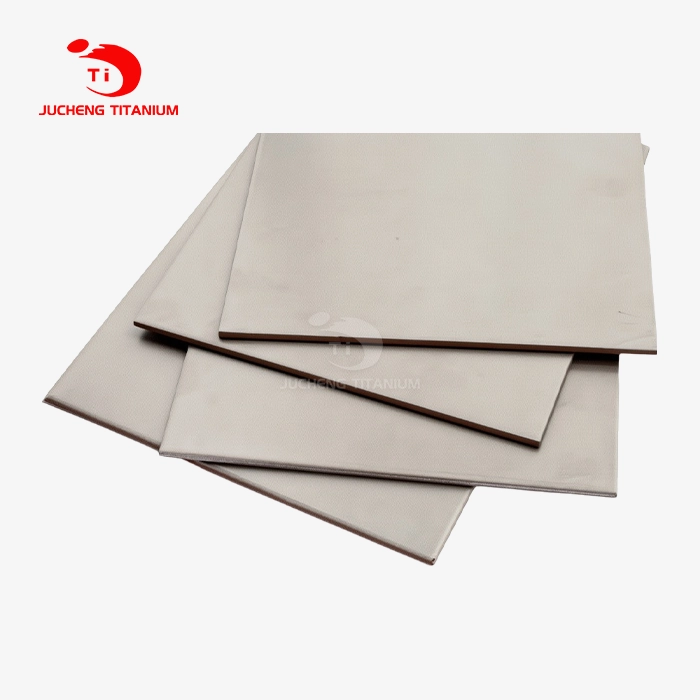
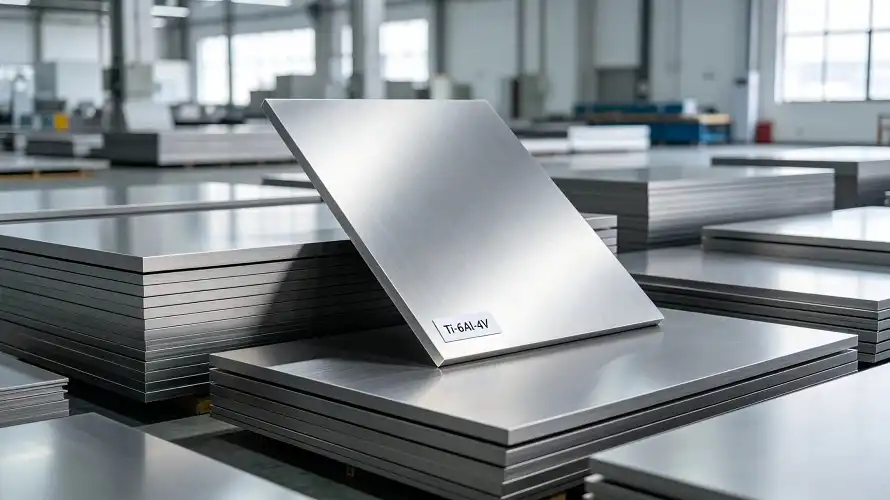
Ti-6Al-4V plate, one of the most adaptable titanium alloys, combines 90% titanium, 6% aluminum, and 4% vanadium for excellent mechanical performance. This alpha-beta alloy bridges the gap between commercially pure titanium's mild strength and modern engineering's structural needs, accounting for almost half of all titanium utilized globally. When corrosion resistance, high strength-to-weight ratios, and temperature stability are essential, aerospace, chemical processing, medical device, and industrial equipment buyers use this material. This alloy, with a density of 4.43 g/cm³ and the capacity to withstand temperatures up to 400°C, addresses design issues that steel and aluminum cannot.
Understanding Ti-6Al-4V Plate Properties
Chemical Composition and Microstructure
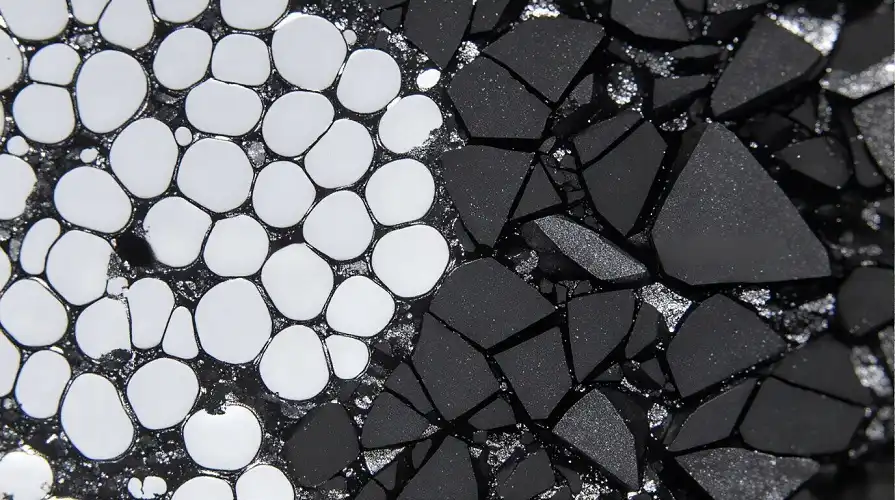
Grade 5 titanium performs well due to its perfect element balance. Aluminum strengthens the alloy and reduces density, while vanadium stabilizes the beta phase, enhancing ductility and heat treatment response. Heat treatment by solution treatment and aging may achieve tensile strengths of 895 MPa while preserving ductility with this dual-phase microstructure. Interstitial elements, including oxygen, nitrogen, and hydrogen, are tightly controlled throughout manufacture to maintain characteristics. Jucheng Titanium uses hot rolling, annealing, leveling, pickling, and precise surface finishing to ensure material integrity in plates from 4mm to 80mm thick.
Mechanical Performance Characteristics
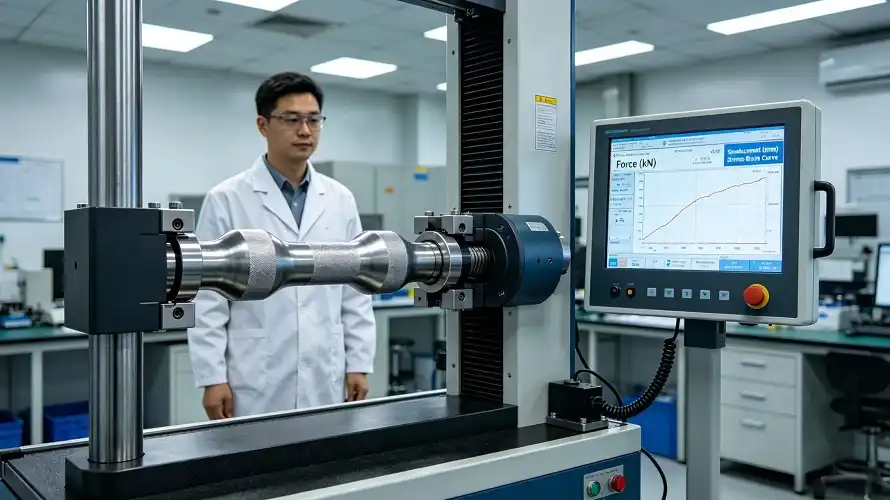
ASTM B265 specifies Grade 5 titanium's minimum tensile strength of 895 MPa and yield strength of 828 MPa. The material has exceptional fatigue resistance, with crack propagation rates lower than those of aluminum alloys under cyclic stress. Its elastic modulus of 113 GPa matches human bone, making it useful for medical applications that reduce stress shielding. Complex forming procedures are possible with the alloy's ductility and 10% elongation in two inches. Wear resistance without brittleness is usually 36 HRC. These qualities are stable from cryogenic conditions down to -253°C to service temperatures of 400°C; oxidation protection is needed at higher temperatures.
Corrosion Resistance and Environmental Durability
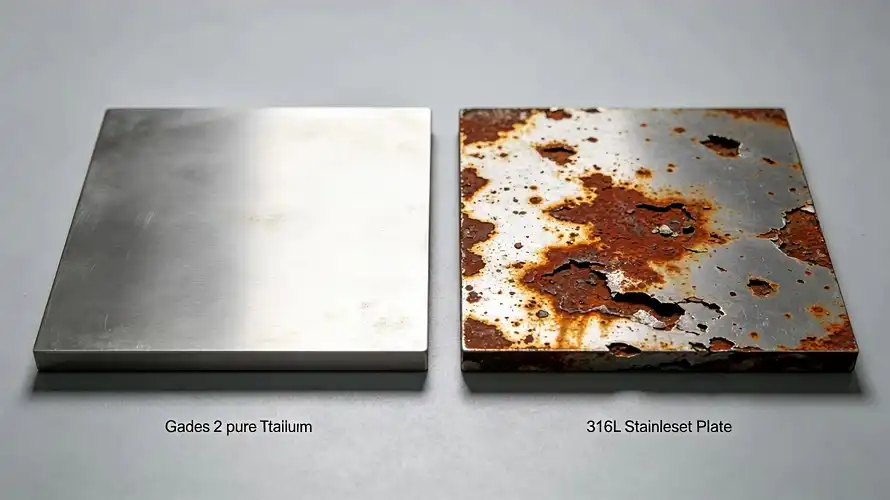
A protective oxide layer that regenerates rapidly when damaged gives Ti-6Al-4V excellent corrosion resistance in chloride, acidic, and marine conditions. In maritime settings, stainless steel pits and crevice corrosion occur, yet this titanium alloy lasts decades. Chemical processing facilities benefit from their resilience to chloride-induced stress corrosion cracking, a failure mechanism in many steel alloys. This material resists oxidizing acids, organic compounds, and most industrial chemicals, hydrofluoric acid and highly concentrated alkalis can damage it. Total lifespan savings balance the greater initial material investment due to environmental stability, reducing maintenance costs, and extending equipment service life.
Advantages of Ti-6Al-4V Plate Over Alternative Materials
Strength-to-Weight Performance Comparison
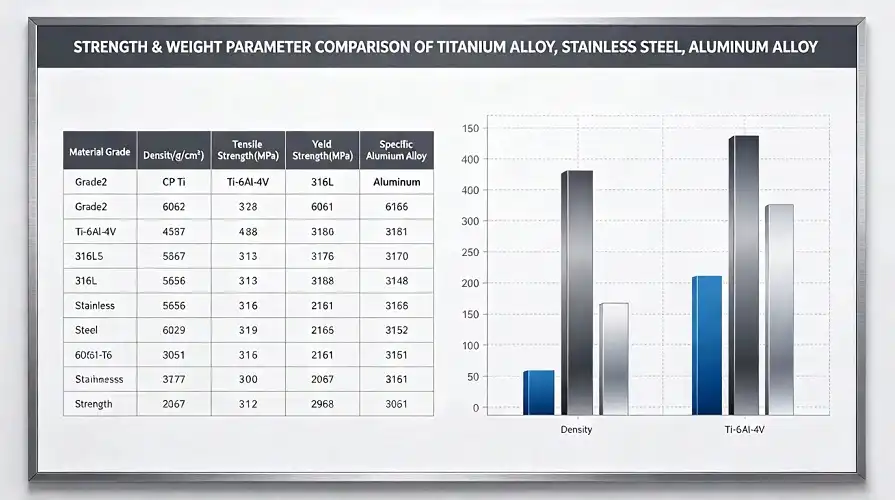
The strength of Ti-6Al-4V exceeds that of steel and aluminum alloys for weight-sensitive applications. Aviation constructions may reduce fuel consumption and increase payload with this titanium grade, which is 60% lighter than steel but as strong. Aluminum alloys have lower density but cannot match Grade 5 titanium's strength or high-temperature performance. Thinner titanium plates can replace bulky aluminum parts in components, reducing weight and enhancing structural strength. Manufacturing teams in the automotive and motorsport sectors often demand this alloy for chassis, suspension, and exhaust systems to reduce unsprung weight and improve handling and acceleration.
Superior Industry-Wide Corrosion Resistance
Ti-6Al-4V plates outperform conventional materials in harsh chemical conditions. Chemical facilities replace stainless steel heat exchangers every 5-7 years due to corrosion, but titanium equipment lasts 20 years or more. Titanium's total immunity to saltwater corrosion replaces steel structures' expensive protective coatings and cathodic protection systems for offshore platforms and marine engineering projects. Titanium is used in reactor vessels, distillation columns, and piping systems in petrochemical plants that treat corrosive streams to prevent catastrophic safety accidents and environmental harm. Non-magnetic characteristics are important in naval and medical imaging equipment to minimize magnetic interference.
Heat Treatment Flexibility and Performance Optimization
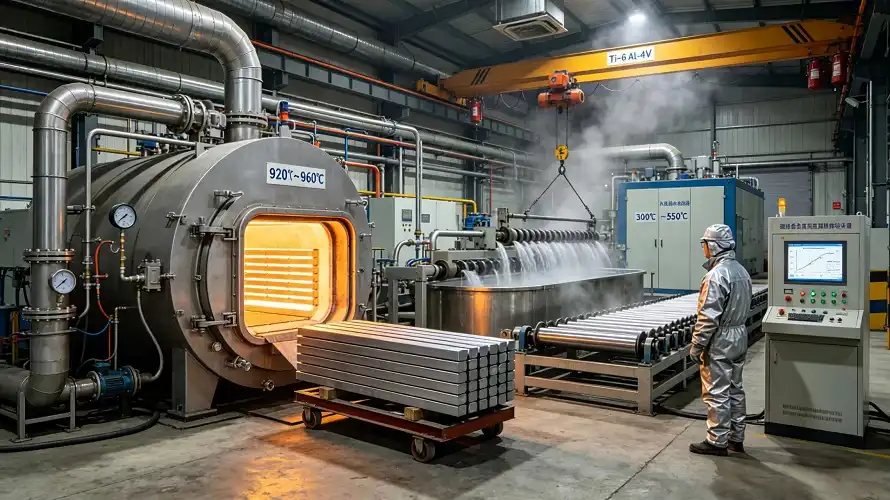
Heated Ti-6Al-4V allows producers to customize mechanical qualities for individual applications, unlike commercially pure titanium alloys. For components needing maximal load-bearing capability, solution treatment and aging can improve tensile strength over 1100 MPa. Design engineers can enhance performance after manufacturing with heat treatment, but not with work-hardened materials. Jucheng Titanium's technical staff works with clients to find the best heat treatment techniques for their application, whether ductility is needed for forming or strength for structural components. The normal annealed state provides a good balance for most applications, and material certifications verify our regulated processing techniques' mechanical qualities.
Key Applications of Ti-6Al-4V Plates in B2B Industries
Aerospace and Defense Components
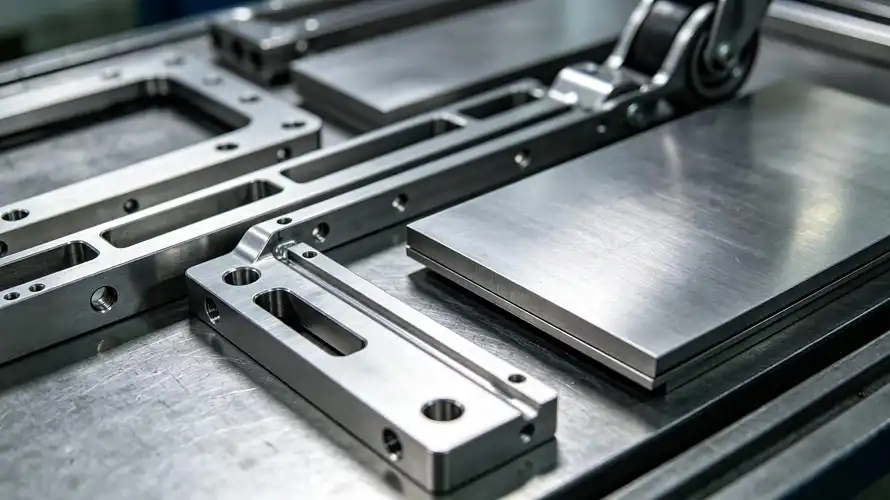
When strength, fatigue resistance, and weight reduction affect performance and operational costs, aircraft manufacturers use Grade 5 titanium for airframe structures, landing gear components, engine mounts, and nacelle sections. These plates are used in armor, missile casings, and marine vessel components that must survive harsh circumstances without weight penalties by defense companies. Aerospace applications require material traceability and certification documentation under AMS 4911. Ultrasonic testing following AMS 2631 standards detects internal faults that might affect structural integrity in our production facilities, ensuring batch traceability. Engine makers use these plates to produce turbine blades and compressor discs because the alloy retains mechanical qualities at high temperatures where aluminum fails.
Medical Device Manufacturing and Biomedical Applications
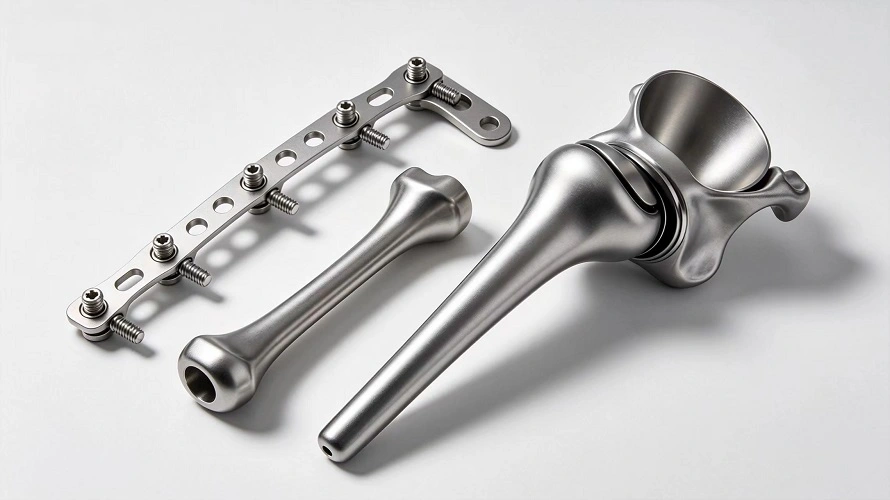
Ti-6Al-4V is the global standard for orthopedic implants, dental equipment, and surgical tools because of its biocompatibility. Bone plate manufacturers make fixation devices from these plates because their elastic modulus reduces stress shielding that might induce implant bone resorption. Strong and radiolucent, the material is valued by spinal fusion cage manufacturers for imaging clarity. Grade 23, our extra-low interstitial version for medical applications, has improved ductility and fracture toughness for devices subjected to complicated stress patterns within the body. Our medical-grade plates exceed ASTM F136 and ISO 5832-3 standards and include material certifications for chemistry, mechanical qualities, and cleanliness. The non-toxic, non-allergenic nature aids osseointegration, which connects bone tissue to the implant surface for long-term stability.
Chemical Processing and Industrial Equipment
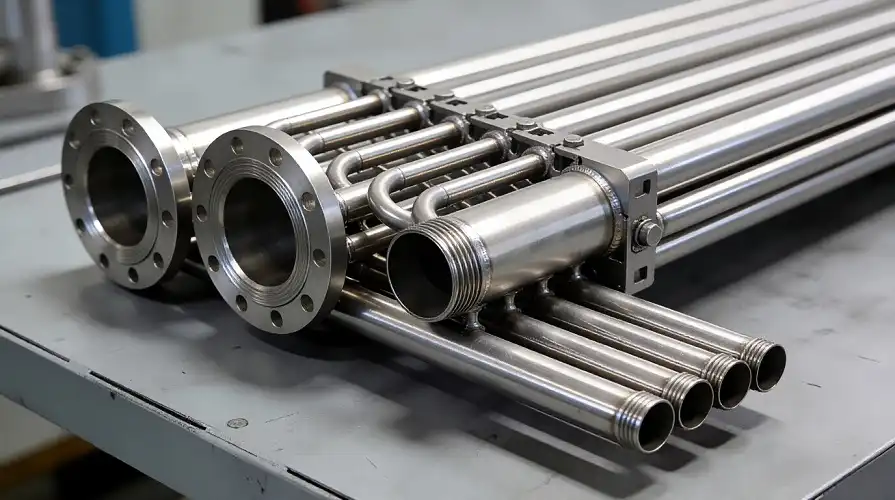
For corrosive media reactor vessels, heat exchangers, evaporators, and piping systems, chemical plant engineers demand Ti-6Al-4V plates. Jucheng Titanium delivers about 500 titanium equipment sets yearly, with 90% market share in coking. Our titanium-based composite tubes work at Luoyang Petrochemical, and WUGANG Group uses China's largest titanium spiral plate heat exchanger. These installations show the material's dependability in difficult industrial situations where equipment failure risks safety and production. The combination of corrosion resistance and mechanical strength permits thinner-walled containers than steel or nickel alloy equivalents, decreasing material costs and enhancing heat transmission. Titanium plates are used in desalination plant evaporators and condensers because saltwater quickly destroys less resistant materials.
Procurement Guide: How to Buy Ti-6Al-4V Plates with Confidence?
Evaluating Suppliers and Quality Certifications
Verifying production capabilities, quality processes, and industry certifications is essential when choosing a titanium supplier. Suppliers to the aerospace industry should have ISO 9001 certification and aerospace certifications. Check their ultrasonic inspection, tensile testing, and metallographic labs for material property verification. Established vendors track final items from mill certification to processing procedures. Jucheng Titanium's 20 years in business and status as a National High-Tech Enterprise and "little giant" reflect our dedication to quality and innovation. Technical cooperation with Northwest Institute for Nonferrous Metal Research and Tsinghua University supports our 4 innovation patents and 41 utility model patents across our product line.
Understanding Pricing Factors and Lead Times
Ti-6Al-4V plate prices depend on raw materials, manufacturing complexity, order volume, and customisation. Our huge 3,000-ton inventory ships standard sizes in 7-10 days, but special demands needing precise dimensions, surface treatments, or mechanical property objectives may take 4-6 weeks. Standard sizes have lower minimum order numbers, whereas special processing requires commitments to cover startup fees. At order quantities over 500 kg, volume pricing benefits ongoing programs, making integrated purchasing techniques profitable. Our sales staff helps procurement managers budget by providing transparent prices on material grades, processing techniques, testing needs, and delivery timeframes.
Customization and Technical Support Services
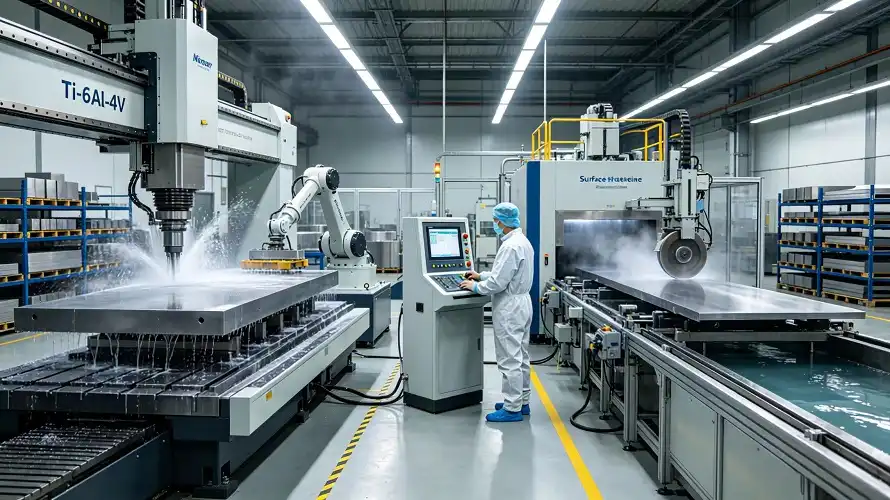
Custom heat treatments, surface coatings, and near-net plate forms are common in modern production. We customise manufacturing to client designs using precision cutting, CNC machining, polishing, and surface treatments. Based on application needs and cost, our engineering team recommends alloys and processing processes. This collaborative approach has helped aerospace and chemical processing equipment projects succeed. Technical data sheets provide ASTM B265 dimensional tolerances, surface finish measurements, and mechanical property test results for each shipment. Our after-sales service staff answers inquiries and ensures clients achieve their performance goals.
ConclusionThe
Ti-6Al-4V plate is essential for industries that need high performance in tough environments. It solves technical challenges that other materials cannot with its great strength, low density, corrosion resistance, and temperature stability. Partnering with skilled suppliers that provide material and technical assistance throughout the product lifecycle gives procurement professionals a competitive edge. Understanding the qualities, uses, and procurement factors in this handbook improves material selections and supplier relationships. Grade 5 titanium provides long-term value through prolonged service life, reduced maintenance, and higher operating performance in aerospace, medical, chemical processing, and industrial applications.
FAQ
Q1: What distinguishes Ti-6Al-4V from other titanium grades?
Ti-6Al-4V is stronger than commercially pure grades (Gr1, Gr2) and has superior corrosion resistance and weldability. Grade 23 is the extra-low interstitial form with improved ductility for medical implants, whereas Grade 5 is for industrial and aerospace use. The alpha-beta microstructure allows property adjustment following production by providing a heat treatment response not accessible in pure titanium.
Q2: Can Ti-6Al-4V plates be welded reliably?
Yes, but welding Ti-6Al-4V plates requires careful environmental controls to avoid contamination. Argon shielding protects the weld zone against embrittlement from oxygen, nitrogen, and hydrogen. AWS-compliant welding ensures junction strength approaching base material attributes. Application requirements may necessitate post-weld heat treatment for stress alleviation.
Q3: How do I verify material authenticity and quality?
Mill test records from reliable providers detail chemical composition, mechanical qualities, and heat treatment history for each batch. Request AMS 2631 ultrasonic testing certifications proving the interior is defect-free. Critical applications benefit from independent testing lab verification. Check supplier quality certificates and customer references for reliability.
Partner with Jucheng Titanium for Your Ti-6Al-4V Plate Requirements
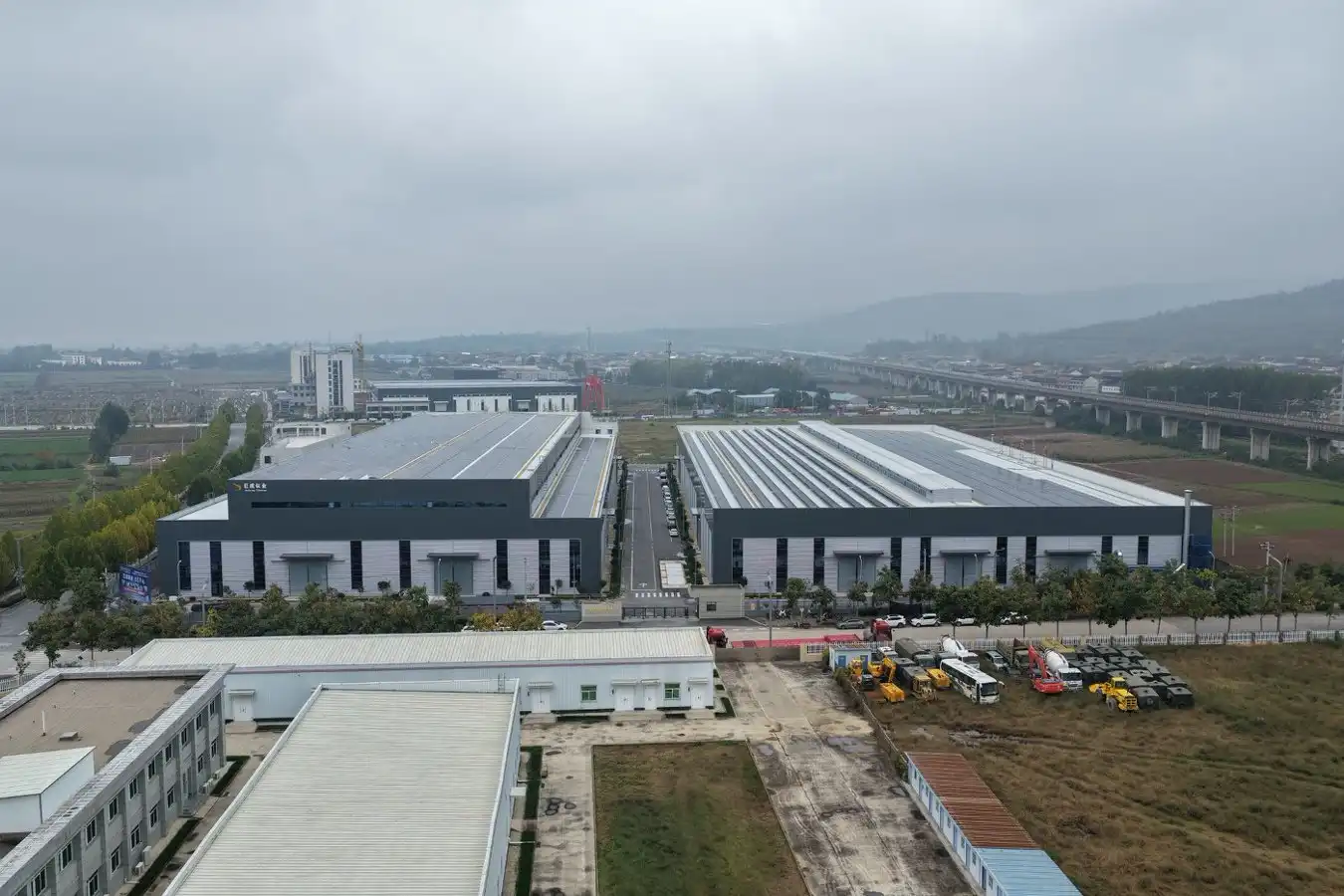
Jucheng Titanium has provided high-quality titanium solutions to aerospace, chemical, medical, and industrial customers worldwide for over two decades. We address your most demanding needs with a wide inventory, advanced processing, and deep technological competence as a National High-Tech Enterprise and specialized "little giant" organization. Our specialized fabrication services provide precisely machined components to your drawings, while our 3,000-ton stock delivers conventional standards quickly. If you require approved Ti-6Al-4V plates for aerospace projects, corrosion-resistant materials for chemical processing equipment, or medical-grade plates for implant manufacture, our team can help. Talk to our experts at s4@juchengti.com to discuss your needs, seek material certifications, and get competitive quotes supported by our quality.
References
1. Boyer, R., Welsch, G., & Collings, E.W. (1994). Materials Properties Handbook: Titanium Alloys. ASM International.
2. Donachie, Matthew J. (2000). Titanium: A Technical Guide, Second Edition. ASM International.
3. Lutjering, Gerd & Williams, James C. (2007). Titanium: Engineering Materials and Processes, Second Edition. Springer-Verlag Berlin Heidelberg.
4. Peters, Manfred et al. (2003). Titanium and Titanium Alloys: Fundamentals and Applications. Wiley-VCH Verlag GmbH & Co.
5. Schutz, Richard W. & Watkins, Harry B. (1998). Recent Developments in Titanium Alloy Application in the Energy Industry. Materials Science and Engineering: A, Volume 243, Issues 1-2.
6. ASTM International (2021). ASTM B265-20a: Standard Specification for Titanium and Titanium Alloy Strip, Sheet, and Plate. West Conshohocken, PA: ASTM International.