
How Does 4mm Titanium Sheet Perform in Corrosive Service Conditions?
When specifying materials for aggressive chemical environments, equipment engineers constantly face the challenge of balancing corrosion resistance, mechanical strength, and lifecycle costs. A 4mm titanium sheet delivers exceptional performance in corrosive service conditions, thanks to its ability to form a stable passive oxide layer that regenerates instantly when damaged. This protective titanium dioxide film shields the base metal from chloride attack, acidic media, and oxidizing environments—making it ideal for chemical reactors, heat exchangers, and marine applications where stainless steel often fails prematurely.

Understanding the Corrosion Resistance of 4mm Titanium Sheets
The Science Behind Titanium's Passive Oxide Protection

Titanium is very resistant to corrosion because it has a very thin but very strong oxide layer that forms on its surface as soon as it comes in contact with oxygen. Titanium forms a dense, adherent film of titanium dioxide that is about 1 to 10 nanometers thick. This is different from iron-based metals, which develop porous rust. This barrier stays stable at temperatures up to 315°C and pH levels between 2 and 12. This protects the material from acidic attack. When mechanical damage or abrasion breaks this film, it grows back right away when trace oxygen or moisture is present. This self-healing trait makes titanium very useful in situations where protective coatings would fail quickly.
Performance Advantages in Aggressive Chemical Environments

We've been providing titanium products to a wide range of businesses for 20 years and have seen regular performance patterns that set titanium apart from other metals. When chemical processing plants switch from old materials to new ones, the equipment lasts a lot longer in environments with hot, concentrated chlorides, sulfuric acid solutions, and seawater. A 4mm thickness keeps the structure strong while keeping the weight savings that are important for aircraft and marine uses. Titanium Grade 2 (commercially pure) is very resistant to corrosion in general, and Titanium Grade 5 (Ti-6Al-4V) is much stronger for structural parts that are exposed to both corrosive media and high stress loads.
The material is much better than austenitic stainless steels in marine and chlor-alkali service because it doesn't crack when exposed to chlorine. Titanium has stable corrosion rates that are measured in micrometers per year instead of millimeters. This means that equipment lifecycles can be predicted and unplanned shutdowns are less likely to happen.
Technical Factors Affecting the Corrosion Resistance of 4mm Titanium Sheets
Manufacturing Processes and Their Impact on Corrosion Behavior

The production process has a big effect on how well titanium plate goods resist rust in the end. Hot-rolled 4mm titanium sheets made to ASTM B265 standards go through controlled thermomechanical processing that improves the grain structure better and gets rid of segregation. To get the best grain, we roll the metal at temperatures between 850°C and 950°C and then anneal it in a vacuum or a neutral atmosphere. After that, leveling activities get rid of any remaining stresses that might make the rust resistance worse under service loads.

Preparing the surface is also very important for how well corrosion works. Acid pickling gets rid of the alpha case (a layer of oxygen-rich metal) that forms when metal is heated, revealing new metal that forms the strongest oxide film. Usually, hydrofluoric acid and nitric acid are mixed together in the cleaning process. These acids remove only the contaminated surface layers and don't hurt the base metal. Other ways to treat the surface are to machine it for precise measurements and polish it for uses that need hygiene or aesthetically pleasing ends. Each method makes a different surface topography that changes the rate at which oxide forms at the start.
Grade Selection and Heat Treatment Considerations

Picking the right grade of titanium has a direct effect on how resistant it is to corrosion in certain settings. Here are some of the most common features of grades that are used in acidic environments:
- Grade 2 (CP-Ti): With 0.25% oxygen, this is the most corrosion-resistant titanium that can be bought in stores. It is usually used in chemical equipment, desalination plants, and pulp bleaching. When metal is melted, it is very easy to shape even complex shapes.
- Grade 5 (Ti-6Al-4V): This alpha-beta metal was chosen for its strength (900 MPa tensile), but it also resists corrosion well in most conditions except for strong hydrochloric acid and reducing acids. This grade is often used for aerospace structural parts and pressure tanks that are exposed to corrosion.
- Grade 7 (Ti-0.2Pd): The palladium greatly improves resistance to reducing acids. This grade is necessary for chemical processing equipment that works with hot, weak sulfuric acid and hydrochloric acid solutions, as other grades would quickly erode.
To keep corrosion resistance high for 4mm titanium sheet, the parameters of heat treatment must be carefully managed. Between 650°C and 750°C, annealing removes any remaining stresses and keeps the grain size at its best. If something gets too hot, above 950°C, it can lead to too much grain growth and alpha case formation, which lowers its resistance to rust and its mechanical qualities. As part of our quality control procedures, we check that the processing is consistent by looking at the metals and testing for corrosion on samples that are representative of each production lot.
Comparing 4mm Titanium Sheets with Other Metals in Corrosive Applications
Material Performance Benchmarking

When procurement professionals look at materials for corrosive equipment, they need to think about more than just the initial cost of the materials. Titanium always works better than stainless steel and aluminum alloys in harsh conditions like chlorine, oxidizing acid, and the ocean. In ocean service at room temperature, titanium has rust rates below 0.025 mm/year, while 316L stainless steel has rates of 0.1 to 0.5 mm/year, which is ten times higher. This performance gap gets a lot bigger when the temperature is high or when the solution is more concentrated.
Aluminum alloys don't rust in neutral or slightly alkaline settings very well, but they break down quickly in acidic or strongly alkaline ones, while titanium doesn't react. Titanium's high strength-to-weight ratio is very important in aerospace and marine applications, where every kilogram saved means better fuel efficiency or more cargo space. Titanium is 45% lighter than steel (4.5 g/cm³ density), but it can be as strong as or stronger than steel depending on the grade and heat treatment conditions.
Thickness Optimization and Cost-Performance Balance

It's important to have a deep knowledge of the complex link between sheet thickness and corrosion protection. Corrosion rates depend more on the grade and climate than on the thickness, but thickness is often chosen based on structural needs. A 4mm titanium sheet is the best mix for many uses because it allows enough rusting to last for decades while keeping material costs low. Though thinner 3mm sheets are lighter and less expensive, they may need to be inspected more often and replaced more often in highly toxic environments. On the other hand, a thickness of 5 mm increases the possible service life but also raises the cost of materials and makes welding and forming more difficult.
Lifecycle cost analysis usually favors titanium, even though it costs more at first. When made from 4mm Grade 2 titanium sheets and used in chloride service settings, equipment can last up to 25–30 years with little upkeep. Coated carbon steel only lasts 5–8 years, and high-grade stainless steel only lasts 10–15 years. The removal of protection coatings, fewer inspections, and longer repair periods create strong economic benefits that balance out the higher material cost.
Procurement Considerations for 4mm Titanium Sheets in Corrosive Environments
Supplier Qualification and Material Certification

To choose a good titanium supplier, you need to make sure they have a number of important skills. For aerospace uses, manufacturing sites should keep their ISO 9001 quality control certifications up to date and show that they follow industry-specific standards like ASTM B265, ASME SB265, and AMS 4911. Material traceability through full mill test records (MTRs) that show chemical makeup, mechanical properties, and heat treatment history makes sure that specifications are met and lets you figure out what went wrong if there are service problems.
Based in Baoji, China's Titanium Valley, Jucheng Titanium has been processing titanium materials for more than 20 years and has been recognized as a "little giant" business and a National High-Tech Enterprise. Within its 120,000-square-meter footprint, our production plant can do hot rolling, heating, pickling, and finishing the surface. We keep about 3,000 tons of titanium in stock in a range of grades and thicknesses. This lets us deliver quickly to meet urgent project deadlines without compromising quality control procedures.
Ordering Parameters and Customization Options
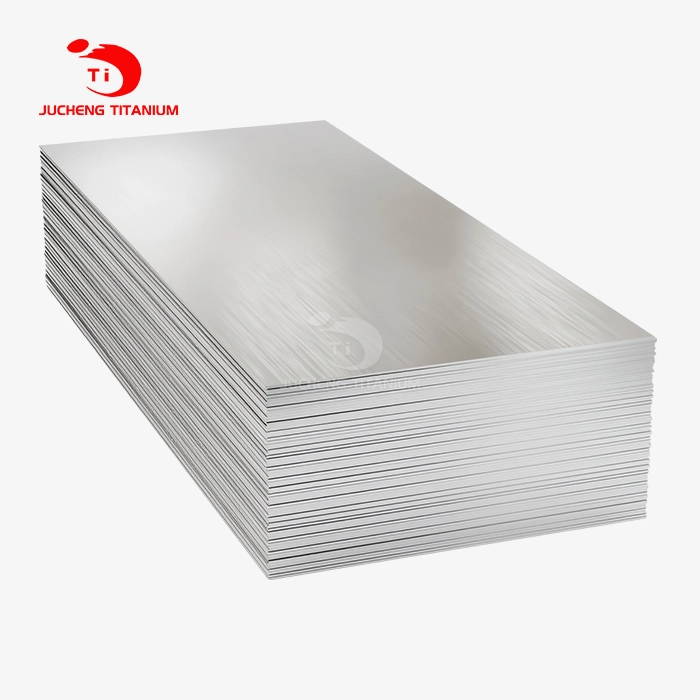
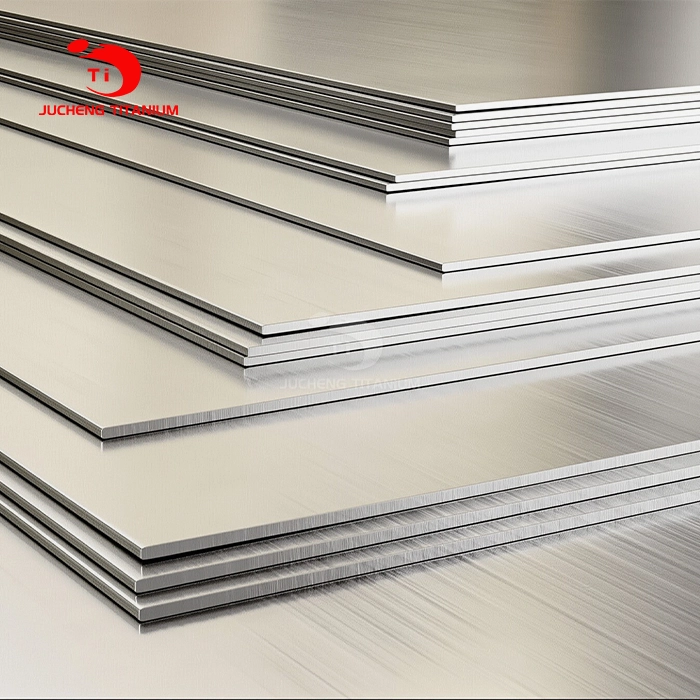
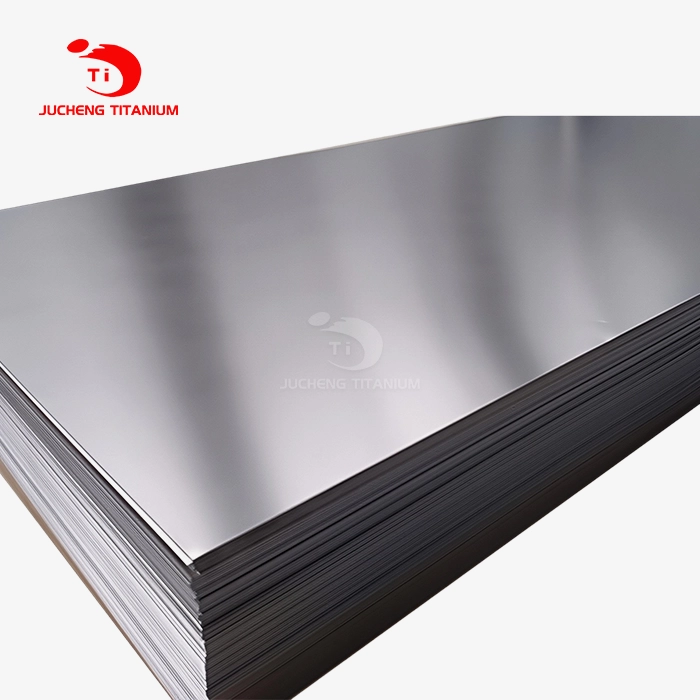
Titanium sheets should have material specs that include more than just their measurements. We can make things in thicknesses from 4mm to 80mm, widths from 950mm to 2500mm, and lengths up to 10,000mm. If you have specific needs, we can also make things to your specifications. Choosing the right surface finish has a big effect on both how well it resists rust and how much it costs. For chemical equipment, an annealed and acid-pickled finish is the best way to go, while polished or machined surfaces meet the hygiene needs of medical and food processing uses.
Lead times for 4mm titanium sheet depend on the grade that is available and the size of the order. Standard grades, like Grade 2 and Grade 5, in popular sizes usually ship within two to three weeks from when we have them in stock. Custom specifications that need a special heat treatment, non-standard sizes, or grades that aren't used very often, like Grade 7 with palladium added, may take 6 to 8 weeks to make. Minimum order numbers depend on the needs of the customer. However, we can work with research schools and prototype developers on smaller batch sizes through our technical collaboration programs.
Price models take into account the costs of raw materials, the difficulty of processing, and the state of the market. Tiered pricing structures help people who buy a lot, and technical partnership arrangements give better prices in exchange for working together on application development. Our sourcing experts work directly with engineering teams to find the best specifications that balance performance needs with cost constraints. They often find ways to replace more expensive grades with standard materials that still meet functional needs.
Real-World Applications and Case Studies of 4mm Titanium Sheet in Corrosive Conditions
Chemical Processing and Industrial Equipment
Our clients who work with chemicals have successfully used 4mm Grade 2 titanium sheets in chlor-alkali production equipment. Stainless steel is quickly damaged by hot, concentrated brine and chlorine gas. A big chemical plant in China switched from using 316L stainless steel for its electrolysis cell parts to using titanium instead. This increased the service life from 18 months to over 12 years and got rid of the problems that came up because of rust products. The fact that the installation is still working shows that the materials used and the quality of the construction were good.
When acidic solutions, high temperatures, and rough slurries are mixed together in hydrometallurgical processes, the conditions are especially harsh. Every year, we ship more than 1,500 tons of titanium anode plates that make up more than 70% of the market in this area. This shows that the industry trusts the quality of our materials and our expert support. In environments where normal materials need to be replaced every two to three years, these installations are constantly used in sulfuric acid leaching circuits at temperatures above 80°C. When our material is used to make titanium anodes, they always last 10 years or more with little thickness loss.
Marine and Offshore Applications

Titanium is being used more and more in shipbuilding for important parts that will rust in salt water. Galvanic corrosion problems that happen in mixed-metal naval setups are solved by hull fittings, propeller shafts, and heat exchanger tubes made from 4mm Grade 2 titanium sheets. A case study of seawater cooling systems on an offshore platform showed that titanium tube-sheet heat exchangers kept their heat transfer efficiency over 15 years of continuous service, while stainless steel units needed to be replaced every 4 to 5 years because of pitting and crevice corrosion.
Aerospace and Defense Components
4mm Grade 5 titanium sheets are used by aerospace makers for structural parts that need to be able to handle both mechanical stress and corrosive air. Titanium is strong, light, and doesn't rust, which makes it a good material for aircraft skin panels, engine nacelle parts, and hydraulic system fittings. Our certifications of materials that meet AMS 4911 standards and full proof of their traceability meet the strict quality standards for aircraft. Defense contractors who work on naval aircraft choose our titanium sheets because they are more resistant to corrosion in saltwater, which is needed for operations on a carrier.
The manufacturing issues that come up in these situations show how important it is to follow the right welding methods. On both the front and back of titanium, 99.999% pure argon must be used as an inert gas shield during TIG welding to keep air from contaminating and weakening the metal. Our technical support team gives advice on how to weld and helps with qualification to make sure that the corrosion resistance of the base material is maintained in the finished assemblies. When welds are done right, they have rust resistance similar to or better than the parent metal. This means that the weld attack that is common with stainless steels doesn't happen.
Conclusion
When you choose 4mm titanium sheet for corrosive service conditions, you get measured benefits in terms of longer machine life, less maintenance, and lower lifecycle costs. The material's passive oxide protection system makes it resistant to corrosion in a wide range of chemical environments, from acidic process streams to marine air. Quality of manufacturing, grade choice, and surface preparation all have a big effect on performance in the field. This is why qualifying suppliers is so important for project success. As a company that supplies titanium materials to the chemical processing, aerospace, marine, and industrial sectors, we can say that properly specified and manufactured titanium parts always work better than other materials in harsh, corrosive environments.
FAQ
1. What cutting tolerance is achievable for 4mm titanium sheet?
Waterjet cutting gives clean edges without heat-affected zones and normal limits of ±0.2mm for most titanium sheet uses. When fiber lasers are used for cutting, the accuracy is better, down to ±0.05 mm. However, it is very important to keep an eye on the temperature so that the metal doesn't change in ways that could affect its resistance to corrosion or its mechanical properties.
2. Should I choose Grade 2 or Grade 5 for 4mm thickness applications?
Grade 2 is the best choice when maximum resistance to rust and formability are important. This makes it perfect for chemical tanks, heat exchangers, and process equipment that will be used in acidic or salt environments. Grade 5 (Ti-6Al-4V) is needed when its high mechanical strength makes it the best choice for aerospace structural parts, pressure vessels, and uses that involve both corrosive exposure and heavy stress loads. Keep in mind that Grade 5 is much less easy to shape when cold than Grade 2.
3. How can material authenticity be verified in the field?
Titanium weighs about 45% less than steel of the same size, which can be quickly proven by simple density testing. Spark tests show that titanium sparks are white, while stainless steel sparks are yellow-orange. However, verifying a mill test record that meets EN 10204 3.1 standards is still the only way to be sure of the grade, chemistry, and mechanical qualities.
4. What surface finishes are available for 4mm titanium sheets?
For commercial uses, an annealed and pickled finish is common. This gives the metal a matte gray surface that is very resistant to rust. Polished finishes meet the standards for both looks and cleanliness in building uses and medical equipment. Sandblasted surfaces can meet certain needs for adhesion or appearance, but they cost more and take longer to make.
Partner with Jucheng Titanium for Your Corrosion-Resistant Material Solutions
Jucheng Titanium has a wide range of services that engineers and procurement professionals looking for a trusted 4mm titanium sheet provider will find useful. We can deliver approved material that meets your project's needs and deadlines thanks to our more than 20 years of experience in the titanium business, our 3,000-ton inventory, and our integrated manufacturing capabilities. We make titanium sheets that meet the standards set by ASTM B265, ASME SB265, and AMS 4911. The grades range from commercially pure Grade 2 to high-strength Grade 5, and the widths can be changed from 4mm to 80mm. Our technical team works with customers to make sure that the materials they choose, the way they are made, and the quality control procedures they use are the best they can be. This way, your corrosive service equipment will work well and last as long as possible. Get in touch with our experts at s4@juchengti.com to talk about your specific application needs and get detailed technical advice that fits your working conditions.

References
1. Boyer, R., Welsch, G., & Collings, E.W. (1994). Materials Properties Handbook: Titanium Alloys. ASM International, Materials Park, Ohio.
2. Schutz, R.W. & Thomas, D.E. (1987). Corrosion of Titanium and Titanium Alloys. In Metals Handbook, 9th Edition, Volume 13: Corrosion. ASM International.
3. Peters, M., Kumpfert, J., Ward, C.H., & Leyens, C. (2003). Titanium Alloys for Aerospace Applications. Advanced Engineering Materials, Volume 5, Issue 6, Pages 419-427.
4. ASTM International. (2020). ASTM B265-20: Standard Specification for Titanium and Titanium Alloy Strip, Sheet, and Plate. West Conshohocken, Pennsylvania.
5. Donachie, M.J. (2000). Titanium: A Technical Guide, 2nd Edition. ASM International, Materials Park, Ohio.
6. Seagle, S.R. (1995). The State of the USA Titanium Industry in 1995. Materials Science and Engineering: A, Volume 213, Issues 1-2, Pages 1-7.