
How Titanium Pipes and Fittings Are Made: A Step-by-Step Guide
Titanium pipes and fittings are made using complex metallurgical methods that turn raw titanium into high-performance parts needed in chemical processing, marine, and aircraft uses. Titanium grades Gr1 through Gr12 are carefully chosen for production, and advanced methods like vacuum arc remelting, hot extrusion, and precise cold rolling are used to make structures that are seamless. The titanium seamless tube is the best of these products because it has a continuous metallurgical structure without any welded joints. This gives it unmatched structural integrity, making it essential for critical applications where dependability cannot be compromised.
Understanding Titanium Seamless Tubes: Properties and Applications
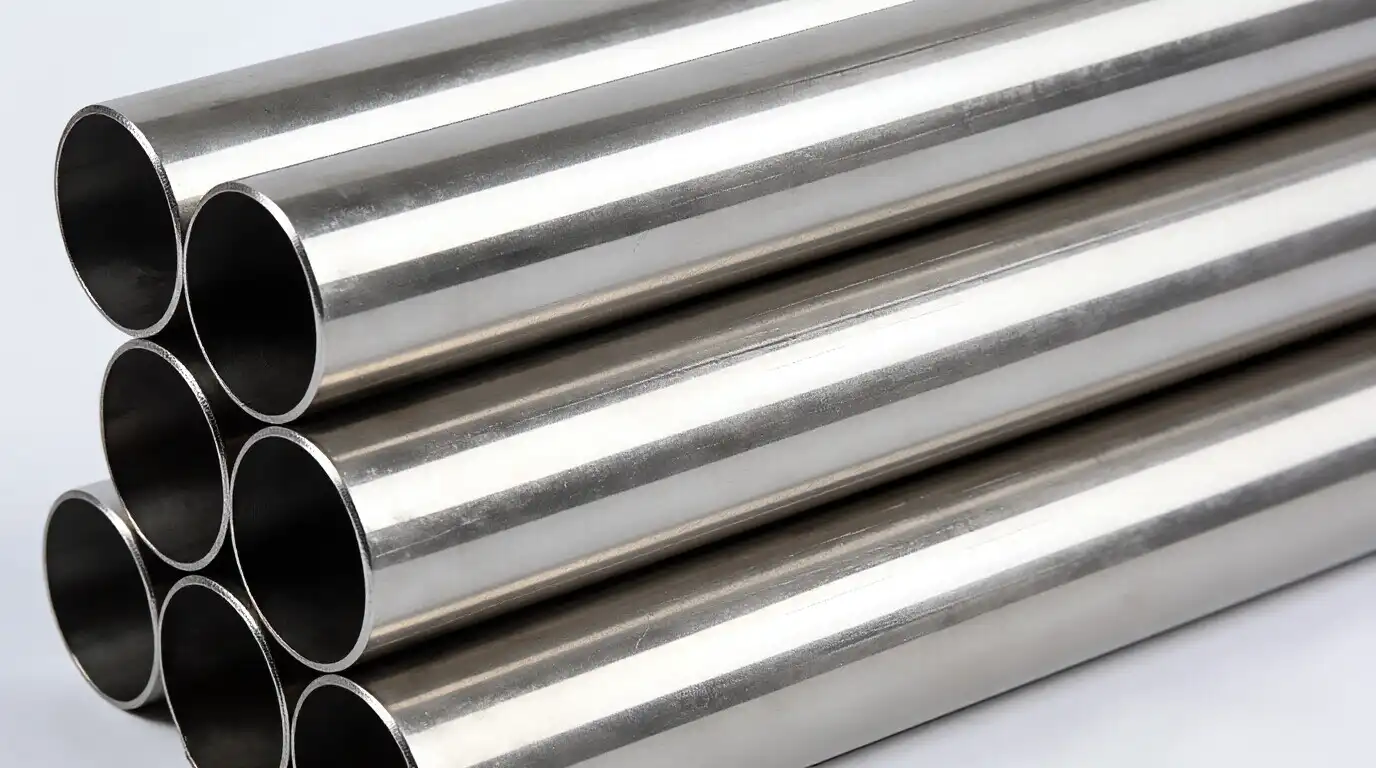
Titanium seamless pipes are a great accomplishment in the field of mechanical engineering because they combine great material qualities with cutting-edge manufacturing methods. These hollow cylinder-shaped structures are unique because their continuous grain structure doesn't have any heat-affected zones like welded options do.
Superior Material Properties
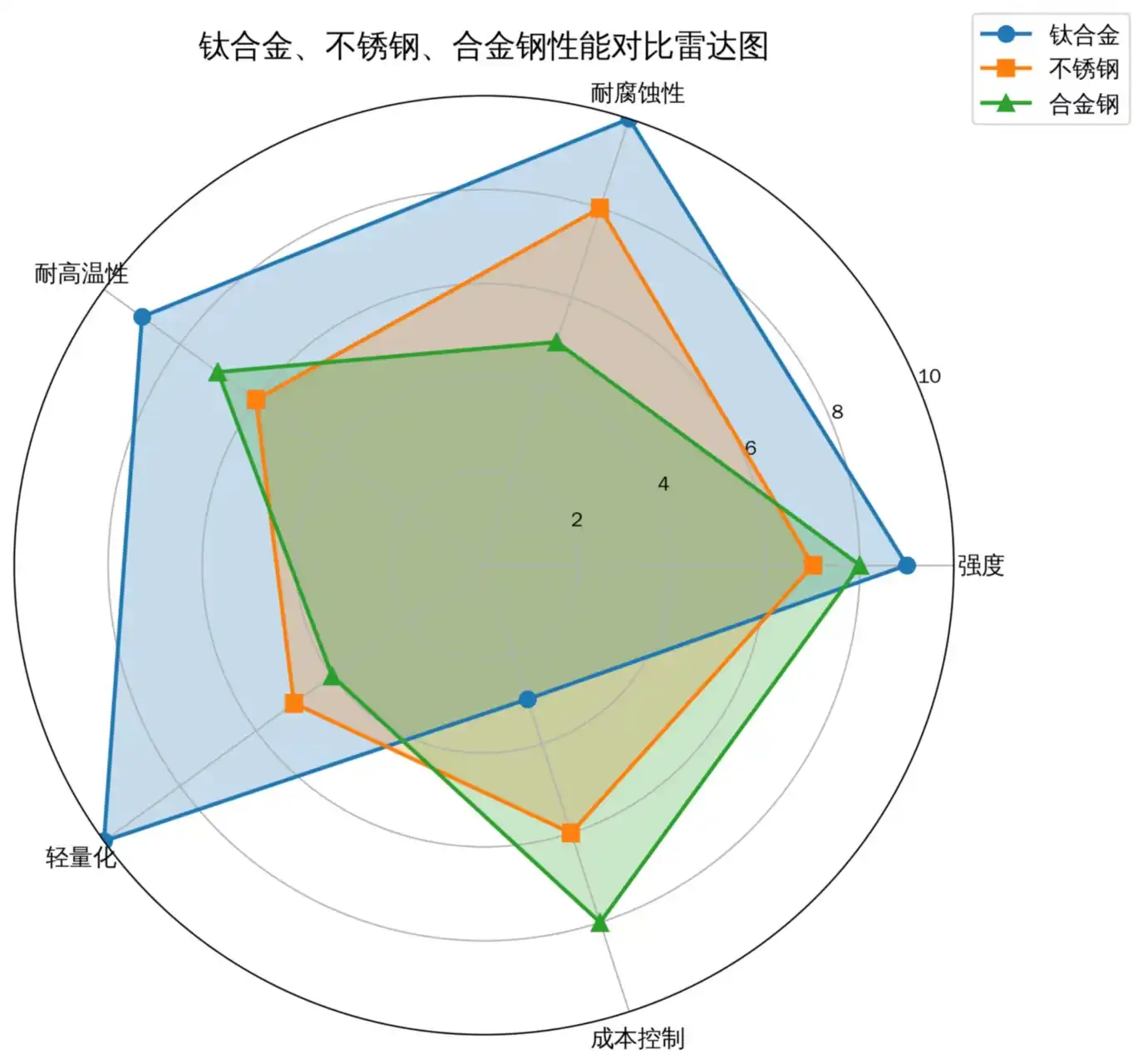
There are many benefits to using seamless titanium tubes, which come from the way they are made. Unlike soldered versions, seamless tubes have the same mechanical qualities all the way through their cross-section. This means that even under tough operating conditions, stress is spread evenly. Titanium seamless pipes have a strength-to-weight ratio that is about 40% higher than that of regular steel. They also fight corrosion better in harsh settings.
Another important benefit is that Grade 5 titanium can handle temperatures higher than 400°C without losing its structural integrity. Because it is stable at high temperatures and doesn't wear down easily, smooth titanium tubing is perfect for high-cycle uses in chemical processing equipment and hydraulic systems in spacecraft.
Critical Industrial Applications
The use of titanium seamless tube technology is widespread in many dangerous fields where broken parts can have serious effects. In aircraft, these tubes are the main building blocks of hydraulic systems, fuel lines, and weather control systems. The continuous structure gets rid of the weak spots that come with welded lines, which is important for getting an airplane safety certification.
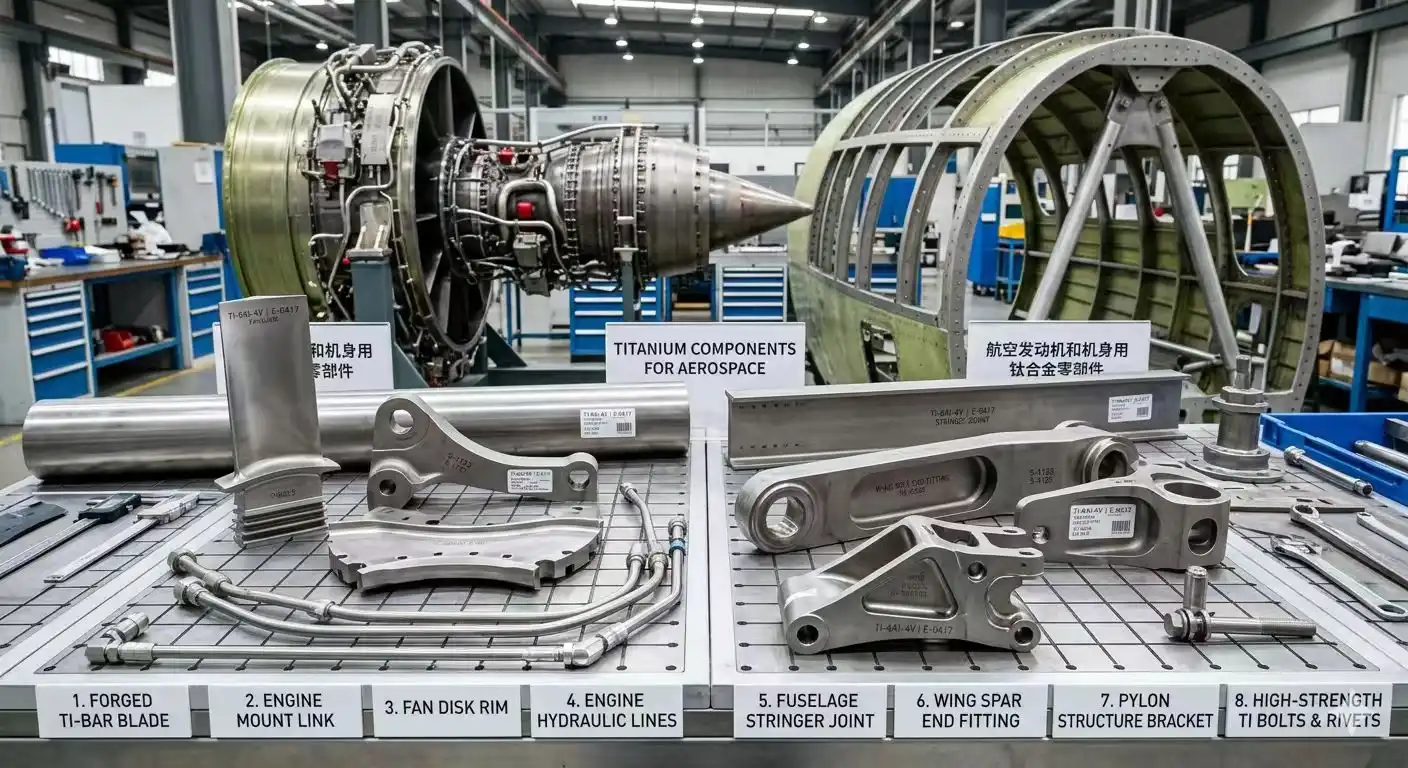
Heat exchanges, reactors, and pipe systems that deal with corrosive media in chemical processing plants use seamless titanium tubes. Because there are no welded joints, there are no localized rust attacks, which usually happen at metallurgical breaks in welded lines. Titanium is great for marine building because it doesn't rust in salt water, and seamless tubes used in offshore bases and desalination systems can last 20 to 40 years.

Step-by-Step Manufacturing Process of Titanium Seamless Tubes
To make seamless titanium tubes, a very carefully planned series of metallurgical and mechanical steps is used to get the best material qualities and exact measurements.
Raw Material Selection and Preparation
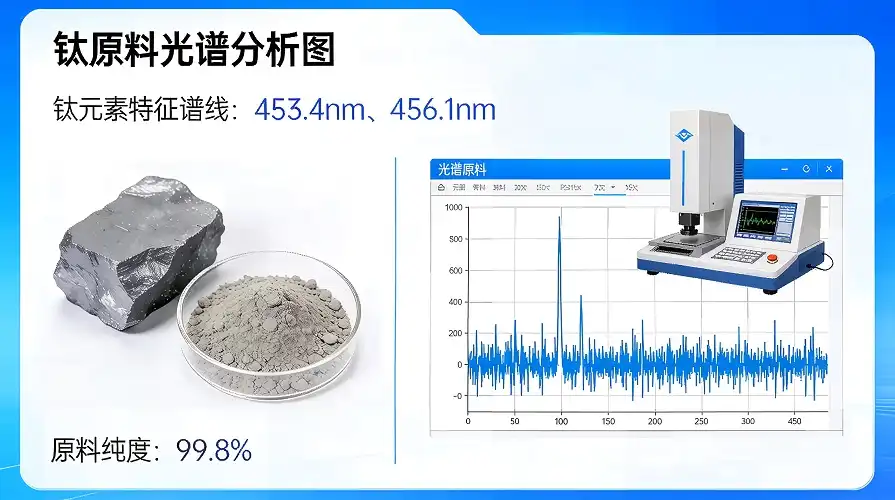
To make a great product, you must start by carefully choosing titanium sponge or recycled titanium that meets strict purity standards. Some common grades are Gr1 and Gr2 for the best resistance to rust, Gr5 (Ti-6Al-4V) for high-strength uses, and Gr7 and Gr12 for better resistance to chemicals. A full chemical study of the raw materials is done to make sure that their makeup meets the requirements of ASTM B337, ASTM B338, and AMS 4942.
At this point, spectrographic analysis is used for quality control to make sure that the amounts of trace elements stay within acceptable ranges. Controlling contamination stops the entry of carbon, nitrogen, and hydrogen, which can have a big effect on the material's mechanical features and rust resistance.
Melting and Ingot Formation
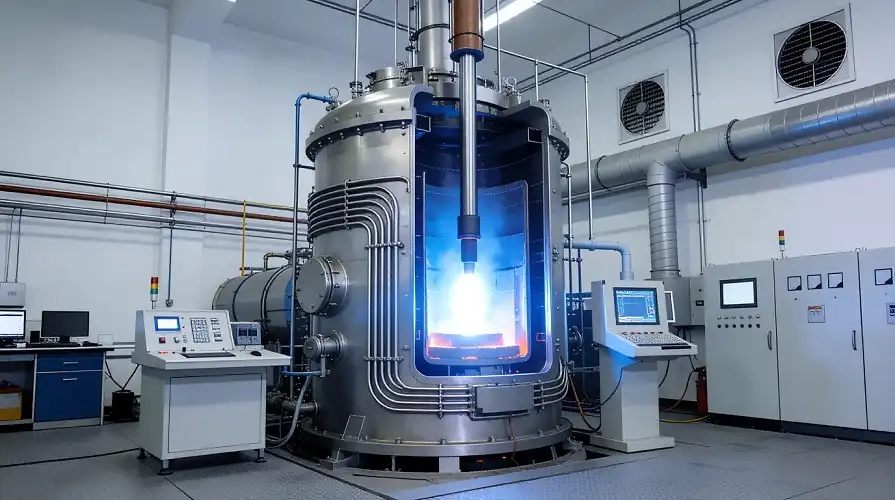
Using vacuum arc remelting (VAR) technology, the raw titanium is turned into uniform bars that can be used for further processing. This double-melting process takes place in a carefully controlled vacuum, which keeps the ingot structure chemically uniform and eliminates any pollution from the air.
Titanium electrodes that are used only once are melted in copper crucibles that are cooled by water under high-amperage electric sparks. Controlling the temperature keeps the freezing point at its best while stopping too much grain growth that could damage the mechanical properties. Before they are used for hot working, the resulting blocks are inspected with ultrasound waves to find any flaws inside.
Hot Working and Initial Tube Formation
Through controlled bending processes, hot working turns solid titanium ingots into hollow tube blanks. The first step is to heat the bars to temperatures between 900°C and 1100°C. This makes titanium's ability to bend plastically ideal while also stopping too much grain growth.
The main way to make the first holes in a tube is by rotary cutting. Specialized piercing mills are used in this process to push hot billets over pierced points while applying rotating and axial forces. Controlling the bending factors precisely makes sure that the wall thickness is spread out evenly and that the microstructure develops in the best way possible.
Extrusion processes are another option. In these, hot billets are pushed through shaped dies to make hollow profiles. To get the desired metallic qualities, both methods need to carefully watch the temperature and cool the material down under control.
Cold Working and Precision Sizing
By controlling plastic deformation at room temperature, cold working processes improve the accuracy of measurements and the mechanical features of things. The most common way to work with cold metal is the pilgering method, which uses special rolling mills to gradually lower the size of the tubes while keeping precise control over the wall thickness.
During pilgering, titanium seamless tube blanks pass through curved mandrels while external rolls apply controlled pressure. This process work-hardens the titanium, which makes it stronger and better able to fit together in different sizes. It may take more than one pass to get the finished size, and annealing processes can be used to reduce the effects of work-hardening when needed.
Drawing operations are different ways to do cold working. To get the end size, tubes are pulled through dies that get smaller and smaller. This method gives a great surface finish and precise control over dimensions, making it ideal for use with thin walls.

Heat Treatment and Stress Relief
When tubes are cold-worked, annealing processes improve their microstructure and mechanical qualities. To do the process, tubes are heated to temperatures between 650°C and 750°C in controlled atmospheres, usually argon or vacuum, which keep the tubes from oxidizing or getting dirty.
During the annealing stage, the temperature, holding times, and cooling rates are carefully controlled to get the best results for each type of titanium. Stress relief annealing gets rid of any remaining pressures from cold working, and full annealing recrystallizes the grain to make it as flexible and tough as possible.
Surface Treatment and Final Processing
Operations that treat the tubes' surfaces get them ready for the final check and transport. Acid solutions, usually mixes of hydrofluoric and nitric acid, are used in pickling to get rid of surface oxides and pollution. This process brings out the titanium's inner surface and gets rid of any scaling or discoloration that was there before.
Some mechanical finishing choices are polishing to improve the quality of the surface, cutting to precisely control the dimensions, and special treatments for certain uses. The type of surface treatment chosen relies on what the product will be used for and what the customer wants.
Comparing Titanium Seamless Tubes with Other Materials
By learning about the performance traits of various piping materials, you can make smart purchasing choices based on the total cost of ownership and your operational needs.
Seamless vs. Welded Titanium Tubes
Titanium tubes that are smooth and tubes that are bonded are fundamentally different in how they are made and how well they work. Welded tubes have areas where the heat changes the microstructure of the base material because of the welding process. These areas may have less rust protection or mechanical strength.
These worries don't exist with seamless tubes because their constant grain structure gives the whole cross-section of the tube the same qualities. This structural stability means that higher working pressures are possible, fatigue resistance is better, and dependability is higher in critical situations.
Welded tubes are cheaper and better for less demanding uses, while seamless tubes are more expensive but work better and last longer in tough settings, which makes up for it.
Titanium vs. Alternative Materials
When compared to stainless steel alternatives, titanium seamless tube products are much better in corrosive environments. While 316L stainless steel works well in many situations, titanium is the only metal that can handle salt, which makes it essential for use in seawater and chemical processing.
Titanium has a strength-to-weight edge that is especially useful in aerospace and marine uses, where less weight means better operating efficiency. Even though the original cost of the material is higher than that of steel alternatives, the longer service life and lower upkeep needs often make the lifecycle economics better.
Nickel-based metals, such as Inconel, work about as well as titanium at high temperatures, but they cost a lot more to make. Which of these materials to use depends on the working conditions and the best balance of cost and performance for that purpose.

Choosing the Right Titanium Seamless Tube and Supplier for Your Needs
To make sure you get the best performance and value from your seamless titanium tubing, you need to carefully look at the technical specs, quality requirements, and provider capabilities.
Technical Specification Considerations
The main thing that determines the choice is the size. The outer sizes range from OD3 to OD219 mm, and the wall thicknesses range from 0.5 to 20 mm to accommodate a wide range of application needs. Custom measurements can be made to meet the needs of a particular project that go beyond normal size ranges.
The choice of grade varies depending on the working conditions and the performance needs. Grade 2 has great protection to corrosion in general, while Grade 5 is stronger and better for building uses. Some grades, like Grades 7 and 12, are better at withstanding certain chemical conditions.
Standard compliance makes sure that new systems can work with old ones and meet government rules. Specifications that are often used are ASTM B337 for seamless pipes, ASTM B338 for condensers and heat exchangers, ASTM B861 for general uses, and AMS 4942 for use in aircraft.
Supplier Evaluation and Selection
When looking at possible providers, you need to look at their manufacturing skills, quality control methods, and customer service. When compared to distributors, direct producers usually have better prices and more expert help. They also give you more control over shipping times and custom manufacturing needs.
Quality badges show how skilled and dedicated a supplier is to maintaining regular product quality. For your needs, find providers that have ISO 9001 certification, military approvals (AS9100), and pressure equipment certifications (PED).
When making special solutions or fixing problems with applications, technical help skills become very important. Suppliers with in-house engineers can help you choose the right materials, make the best designs, and get advice that is specific to your needs.
Ensuring Quality and Longevity: Maintenance and Handling of Titanium Seamless Tubes
Seamless titanium tubing systems work best and last as long as they are handled, installed, and maintained correctly.
Storage and Handling Best Practices
Protecting tubes while they are being stored or shipped keeps them from getting damaged, which could affect their function or appearance. Titanium is more scratch-resistant than stainless steel, but if you handle it properly, you can keep the surface clean and free of damage.
Storage places should keep out harmful substances from the surroundings and have enough air flow. Tube tips are kept clean during storage and handling with plastic caps or plugs. Mechanical damage can be avoided during transport and installation by using the right moving methods and padded supports.
Installation and Maintenance Protocols
Titanium has special qualities that must be taken into account during installation. For example, it doesn't conduct heat well and doesn't rust. The best performance and life of a system depend on the joints being designed and put together correctly.
Protocols for regular inspections help find problems before they damage the structure of the system. Visual checks can find damage on the outside or wear patterns that don't seem right, while non-destructive testing can make sure that the structure stays strong in serious situations.
Even though titanium seamless tube systems don't need as much upkeep as systems made of other materials, it's still best to follow the manufacturer's instructions to get the best performance over the service life. Schedules for preventive repair should take into account the state of the machine and any rules or regulations that apply.
Conclusion
The process of making titanium pipes and fittings is a complex mix of metallic science and precision engineering. The result is parts that work great in tough industrial settings. Seamless titanium tubes have the strength and performance needed for use in aircraft, chemical processing, and marine environments because they are made with carefully controlled steps from choosing the raw materials to treating the surface. When procurement workers and engineers understand these industrial processes, they can make decisions that improve performance and cut costs in their specific situations.
FAQ
Q1: What distinguishes seamless titanium tubes from welded alternatives?
Seamless titanium tubes have a continuous metal structure without any welded parts. This means that they don't have any heat-affected zones that could be failure places in welded versions. This structural stability gives the material better dynamic qualities, better corrosion resistance, and better fatigue performance in tough situations.
Q2: Which titanium grades are most commonly used for seamless tube manufacturing?
Titanium Grade 2 is most often used for general corrosion protection, while Titanium Grade 5 (Ti-6Al-4V) is stronger and better suited for use in aircraft and structural applications. For certain industrial settings, specialized grades like Grades 7 and 12 offer better acid protection.
Q3: How do dimensional tolerances compare between seamless and welded titanium tubes?
Controlled cold working techniques, such as pilgering and drawing, are often used in seamless production to get closer tolerances on dimensions. When compared to welded tube methods, these methods give better wall thickness regularity and dimensional stability.
Q4: What quality standards apply to aerospace-grade seamless titanium tubes?
For aerospace uses, strict standards like AMS 4942, ASTM B338, and customer-specific requirements must be met. These standards require a lot of tests, like chemical analysis, checking the material properties, and non-destructive screening methods.
Q5: What factors influence the cost differential between seamless and welded titanium tubes?
Cost differences are caused by things like how hard it is to make, how fast it needs to be made, and how accurate the measurements need to be. Seamless tubes are indeed more expensive, but their better performance and longer service life often make them a better choice for difficult uses.
Partner with Jucheng Titanium for Premium Seamless Tube Solutions
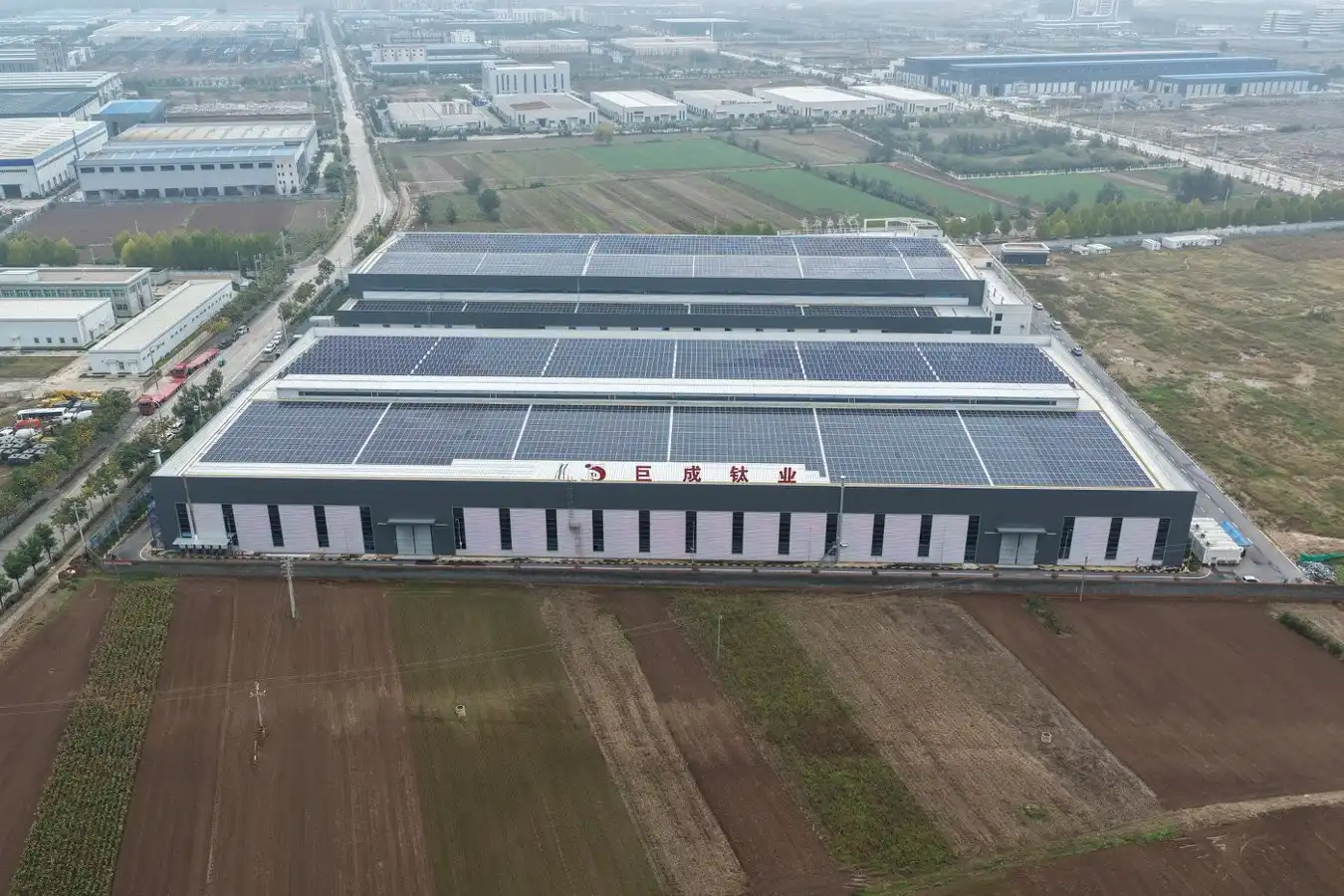
Jucheng Titanium is the best at making titanium products because it combines over 20 years of specialized experience with the most up-to-date production tools. As a top maker of titanium seamless tube, we keep more than 3,000 tons of stock on hand to make sure that pressing project needs are met quickly. Our 120,000-square-meter, state-of-the-art plant makes titanium parts that meet the strictest standards for chemical processing and aerospace. These parts come with full quality certifications and expert support. You can rely on our dependability, which has won us relationships with stars in your field, and take advantage of our custom manufacturing and low prices. Get in touch with our technical team at s4@juchengti.com to talk about your unique needs and find out how our premium titanium seamless tube solutions can help you run your business more efficiently.
References
1. Boyer, R.R., Welsch, G., and Collings, E.W. "Materials Properties Handbook: Titanium Alloys." ASM International Materials Park, Ohio, 1994.
2. Donachie, Matthew J. "Titanium: A Technical Guide, 2nd Edition." ASM International, Materials Park, Ohio, 2000.
3. Schutz, R.W. and Thomas, D.E. "Corrosion of Titanium and Titanium Alloys in Industrial Process Applications." Industrial Heating Magazine, 1987.
4. American Society for Testing and Materials. "ASTM B337/B337M Standard Specification for Seamless and Welded Titanium and Titanium Alloy Pipe." ASTM International, West Conshohocken, PA.
5. Peters, M., Hemptenmacher, J., Kumpfert, J., and Leyens, C. "Structure and Properties of Titanium and Titanium Alloys." Titanium and Titanium Alloys: Fundamentals and Applications, Wiley-VCH, 2003.
6. Aerospace Material Specification AMS 4942. "Tubing, Seamless, Titanium Alloy, Annealed." SAE International, Warrendale, Pennsylvania.