
How to Choose CP Grade 2 Titanium Sheet for Corrosive Service
When picking the right CP Grade 2 titanium sheet for corrosive service, you need to think about a number of important things, such as the specific corrosive environment, the mechanical property needs, compliance with international standards such as ASTM B265 and ASME SB265, and the reliability of the provider. This type of commercially pure titanium is the best combination of being able to be shaped, welded, and preventing rust. It is ideal for chemical processing equipment, naval uses, and industrial systems that are exposed to harsh media. If you know about the material requirements, quality control procedures, and source skills, you can be sure that the sheets you choose will last and help you meet your project's deadlines and budget.

Understanding CP Grade 2 Titanium Sheet: Key Properties for Corrosive Applications
When we look at materials that can handle corrosive environments, the CP Grade 2 titanium sheet always comes out on top in a number of different industries. Its performance depends a lot on the chemicals that make it up and how pure it is.

Chemical Composition and Purity Standards
Very few interstitial elements are found in CP Grade 2 titanium that is sold to the public. On average, the amount of oxygen in the material is between 0.18% and 0.25%, which affects both its strength and its ability to bend. Keeping the iron level below 0.30% gives the material great resistance to rust. These controlled amounts make sure that the CP Grade 2 titanium sheet stays strong even when it comes into contact with sulphuric acid solutions, chloride-rich seawater, and chemicals that oxidise metals. The material meets the requirements set by ASTM B265 and ASME SB265. This gives buyers a consistent way to check quality in supply chains around the world.

Mechanical Strength and Formability Balance
It takes between 345 and 483 MPa of force to pull CP Grade 2 titanium sheets apart, and about 275 MPa of force to stretch them. This shape has a middling strength and a high extension rate (more than 20%), which means it can be used for complicated shaping tasks without breaking. During fabrication, the material can handle bend radii of 4T to 5T, which is four to five times the thickness of the sheet. This makes it perfect for heat exchanger plates, reaction vessel parts, and pipe systems. During production, annealing processes refine the structure of the grains. This makes the material easier to shape and less likely to break from stress corrosion.

Corrosion Resistance Mechanisms
The inactive titanium dioxide film that forms naturally on CP Grade 2 titanium surfaces is very good at stopping pitting, crevice corrosion, and other types of attack in most industrial settings. This self-healing oxide layer stays solid at temperatures up to 300°C and pH levels from 3 to 12. In places with a lot of salt, where stainless steel breaks down quickly, CP Grade 2 titanium doesn't corrode at all. This natural feature is very useful for remote platforms, chemical plants that use cleaning agents, and systems that desalinate salty water.

Comparing CP Grade 2 Titanium Sheet with Other Materials and Grades
Knowing the different options for a material helps procurement teams make smart choices that balance the need for performance with the budget they have.

Grade 2 vs. Other Titanium Grades
Grade 1 titanium is a little better at preventing rust because it has less oxygen in it, but it is also not as strong, so it can't be used for building structures. Because it has more oxygen, Grade 4 titanium is stronger (UTS over 550 MPa), but it is also less flexible and harder to weld. Grade 5 (Ti-6Al-4V metal) is very strong for its weight in aircraft applications, but it is more expensive and doesn't protect against rust as well as widely pure grades. CP Grade 2 titanium is a good middle ground. It is used in about 80% of industrial corrosion-resistant uses that need both mild strength and good corrosion resistance.
Titanium vs. Traditional Corrosion-Resistant Metals
When CP Grade 2 titanium sheets are compared to stainless steel sheets, they have a substantially longer service life. At first, 316L stainless steel is less expensive, but chloride-induced cracking makes it break down more quickly and cost more to replace. Titanium (CP Grade 2) is less dense than stainless steel (8.0 g/cm³), which means it can hold less weight and cost less to ship. Nickel metals, such as Hastelloy C-276, are just as resistant to rust as titanium, but they cost three to four times as much. Aluminium metals are lighter, but they break quickly in salty and acidic conditions, where titanium does better. These comparisons show why chemical equipment makers and offshore contractors are choosing CP Grade 2 titanium more and more, even tho it costs more up front.
Procurement Guide: How to Source CP Grade 2 Titanium Sheet Efficiently
To make sure the quality of the materials and the success of the project, buying needs to carefully look at sources, specs, and processes.

Supplier Qualification and Certification Verification
Working with well-known titanium makers ensures uniform quality and adherence to rules. According to EN 10204 3.1, providers must give Mill Test Certificates that show chemical makeup testing using ICP-OES methods and mechanical testing following ASTM E8 protocols. ISO 9001 licenses and industry-specific approvals, such as the ASME U-stamp for pressure tank materials, show that a company has strong quality control systems. With more than twenty years of experience, companies like Baoji Jucheng Titanium Industry Co., Ltd. bring useful knowledge to the table when it comes to choosing materials, making things to order, and providing technical support that keeps specification mistakes from costing a lot of money.
Specification Matching and Customization Options
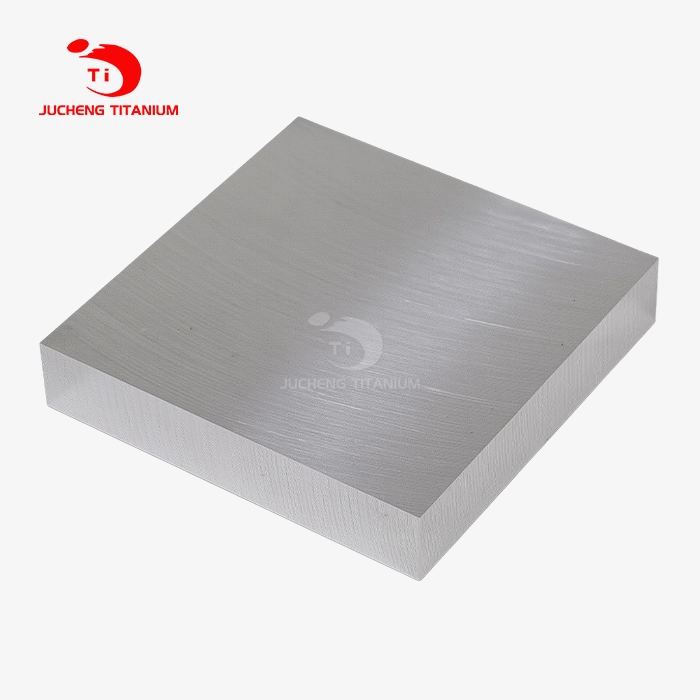
It is possible to get standard hot-rolled CP Grade 2 titanium sheets that are 950 mm wide, 2500 mm long, and 4 mm to 80 mm thick. Custom sizes outside of these areas usually need a minimum order quantity, but they make sure that materials are used in the best way possible for each job. Acid pickling, polished finishes, and machined surfaces are all surface treatments that change both how something looks and how well it works. Annealed sheets can be shaped into a wide range of shapes, and their mechanical properties can be changed using controlled processing methods. Talking about specific needs with providers who keep a large inventory (usually 3,000 tonnes or more) speeds up shipping and keeps projects from running behind schedule.

Pricing Dynamics and Negotiation Strategies
The cost of CP Grade 2 titanium sheets changes based on the market for sponge titanium, how hard the handling is, and how many sheets are ordered. When you buy in bulk, you can usually get 10-15% off the small lot price. Long-term supply deals that promise a certain amount of goods every year keep prices stable and give priority to certain goods when the market is short. By getting quotes from several approved providers, you can set reasonable standards. However, when you look at things like consistent quality, expert support, and on-time delivery, the lowest price doesn't always mean it's the best deal. Talking openly with suppliers about project timelines, payment terms, and quality standards helps build relationships that are good for both present and future purchasing needs.
Practical Applications and Case Studies of CP Grade 2 Titanium Sheets in Corrosive Services
Performance data from real-world installations show that CP Grade 2 titanium sheets that are commercially pure solve important corrosion problems in a wide range of industries.

Chemical Processing and Petrochemical Equipment
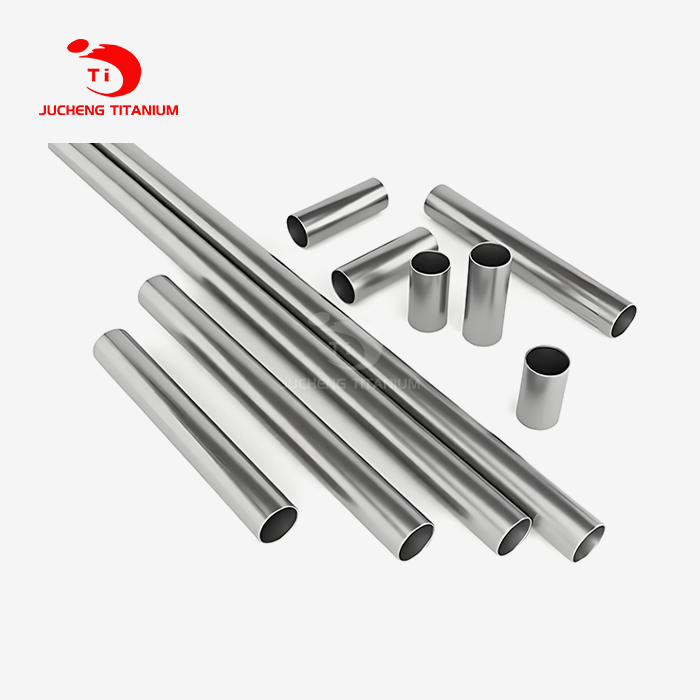
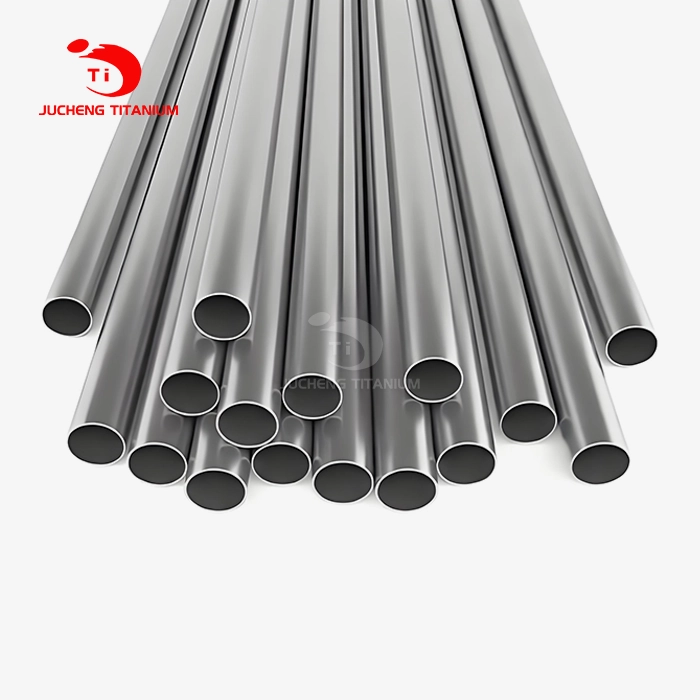
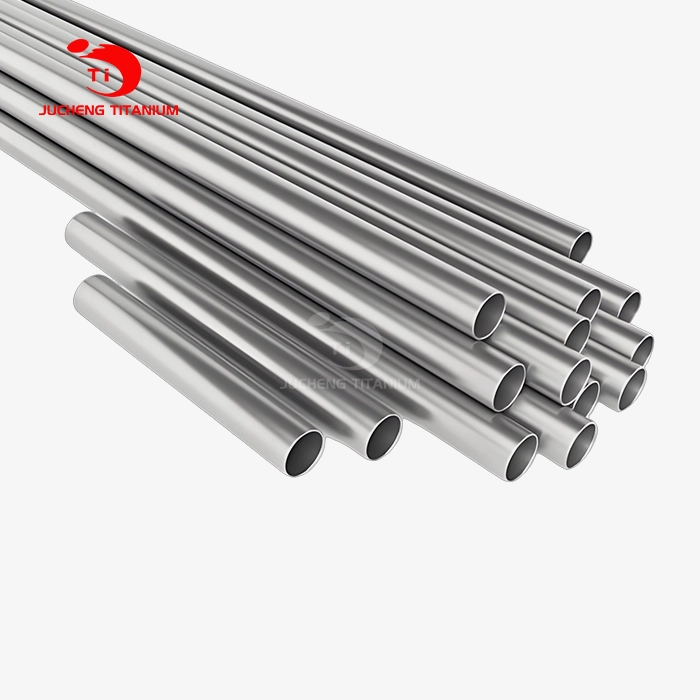
Reactors, distillation columns, and storage tanks that deal with harsh chemicals like chlorine, sodium hypochlorite, and organic acids are built out of CP Grade 2 titanium sheets. In heat exchangers at Luoyang Petrochemical, titanium-clad composite tubes have a ten-year service life, while stainless steel only lasted less than two years in the same conditions. The material doesn't crack under stress, so it doesn't have the catastrophic breakdowns that happen a lot with welded stainless steel in chloride-bearing process streams. Manufacturers of equipment say that repair shutdowns for titanium heat exchangers are 60–70% shorter than for standard materials. This directly increases plant profits.
Marine and Offshore Applications
Extreme rusting conditions are created by the harsh nature of seawater, which includes chlorides, dissolved oxygen, and biofouling organisms. CP Grade 2 titanium sheets that were used to make condenser tubes, piping systems, and structural parts have almost never corroded in decades of marine service. Titanium is used in firefighting systems and coats for ballast tanks on offshore bases, where failure of the materials could cause environmental disasters. The lighter weight compared to nickel alloys that don't rust lowers the need for structural support and the cost of installation. Marine engineering projects always call for CP Grade 2 titanium for parts that need to last 25 to 30 years without needing to be replaced.
Industrial Equipment and Power Generation
Flue gas condensates that contain sulphuric and hydrochloric acids are very bad for heat exchange in coal-fired power plants. The WUGANG Group runs China's biggest titanium spiral plate heat exchanger, which is made from CP Grade 2 titanium sheets and has been running nonstop for more than eight years with almost no material degradation. In cooling towers, evaporators, and condensers, desalination plants use CP Grade 2 titanium sheets to protect against scaling and rust, which quickly destroy copper-nickel and stainless steel options. These installations show that titanium has better lifecycle economics, even tho it costs more up front.
How to Make the Final Decision: Criteria Screening Approach
Systematic review systems help engineers and purchasing managers choose the best materials that meet both technical and business needs.

Environmental Exposure Analysis
Write down the exact toxic substances, amounts, temperatures, and pressures that your equipment will be exposed to. In places with a pH level below 3 or above 12, more tests might be needed to make sure that CP Grade 2 titanium sheet is suitable. Temperature changes above 300°C make things less resistant to rust, so they might need to be replaced. Cracking caused by stress corrosion is affected by mechanical stress, especially repeated loading. Detailed environmental characterisation lets you choose the right materials and stops them from breaking down too soon, which could be dangerous or cost too much.
Quality Control Protocol Verification
Using strict checking methods will keep low-quality materials from getting into your supply chain. Ask for ultrasonic testing according to AMS 2631 Class A1 standards to find internal laminations or inclusions that weaken the structure. Chemical research must measure oxygen and iron content separately because too much of either one makes the material less flexible or less resistant to rusting. Bend testing makes sure that the titanium sheets can be shaped for fabrication work, and measurement tolerance checking makes sure that they meet the thickness, width, and smoothness requirements that are important for precision manufacturing. Suppliers who have established quality review teams and ISO approval show that they are dedicated to quality that is always the same.
Supplier Capability and Partnership Potential
In addition to material requirements, you should look at the technical knowledge, store depth, and service skills of your providers. Companies that keep a wide range of products, such as Grades 1, 2, 4, 5, 7, 9, and 12, on hand can adapt to changing project needs. Custom fabrication services, which include cutting, shaping, and welding, make buying things easier and make managing vendors easier. When there aren't enough materials for a job, delays can be avoided by shipping quickly from a large store. Technical support teams that know your program well can help you save money and time by fixing problems and optimising materials. Building ties with dependable providers gives you a competitive edge by giving you better prices and letting you work together to solve problems.
Conclusion
Selecting CP Grade 2 titanium sheet for corrosive service demands careful evaluation of material properties, supplier qualifications, and application-specific requirements. This commercially pure grade delivers exceptional corrosion resistance, adequate mechanical strength, and excellent formability at a reasonable cost compared to higher-grade titanium alloys and specialty nickel materials. Verifying compliance with ASTM B265 and ASME SB265 standards, implementing rigorous quality control protocols, and partnering with experienced suppliers ensure material integrity and project success. The documented performance across chemical processing, marine engineering, and industrial equipment applications validates CP Grade 2 titanium as a cost-effective solution for demanding corrosive environments where material failure carries significant safety and economic consequences.
FAQ
1. What distinguishes Grade 2 from Grade 5 titanium in corrosive applications?
Grade 2 titanium is commercially pure titanium that has been optimised for corrosion resistance. It has few alloying elements and works better in acidic, chloride, and oxidising environments. Grade 5 (Ti-6Al-4V) is a metal that is made to have a high strength-to-weight ratio for use in aircraft. However, it doesn't fight rust as well, especially in salty and marine environments. CP Grade 2 titanium is about 40% cheaper than Grade 5 titanium, and it lasts longer when exposed to chemicals and saltwater.
2. Can Grade 2 titanium withstand highly acidic environments?
At all temperatures and concentrations, CP Grade 2 titanium is very resistant to oxidising acids like nitric acid. At room temperature, it can handle sulphuric acid concentrations up to 10%. Titanium rusts in hydrochloric acid and other reducing acids, so it needs to be replaced with materials like tantalum or zirconium. Before choosing a material, you should always test it for corrosion using the chemistry of your process.
3. What certifications should I verify when purchasing titanium sheets?
Need Mill Test Certificates according to EN 10204 3.1 that show the chemical make-up, mechanical properties, and history of heat treatment. Check to see if the product meets the quality standards and dimensional tolerances set by ASTM B265 or ASME SB265. Getting ISO 9001 approval means that you handle quality in an organised way. For use in pressure vessels, an ASME U-stamp approval shows that the seller meets the code standards for safety-critical parts.
Partner with Jucheng Titanium for Your Corrosive Service Solutions
Baoji Jucheng Titanium Industry Co., Ltd. stands as a trusted CP Grade 2 titanium sheet supplier with over 20 years of specialized expertise serving chemical processing, marine engineering, and industrial equipment manufacturers across global markets. Our 3,000-ton inventory ensures rapid delivery of standard and custom dimensions, while our national-level "little giant" enterprise designation and 45 patents demonstrate our commitment to innovation and quality. We maintain complete certifications including ASTM B265, ASME SB265, and ISO standards, with rigorous quality control protocols covering chemical analysis, mechanical testing, and ultrasonic inspection. Whether you need standard sheets or custom-fabricated components, our technical team provides expert consultation to optimize material selection for your specific corrosive environment. Contact our specialists at s4@juchengti.com to discuss your project requirements and receive competitive pricing on premium-grade titanium sheets manufactured to exacting specifications.

References
1. American Society for Testing and Materials. (2021). ASTM B265-20a: Standard Specification for Titanium and Titanium Alloy Strip, Sheet, and Plate. ASTM International.
2. Schutz, R.W., & Thomas, D.E. (2018). Corrosion of Titanium and Titanium Alloys. ASM Handbook Volume 13B: Corrosion Materials.
3. Boyer, R., Welsch, G., & Collings, E.W. (2019). Materials Properties Handbook: Titanium Alloys. ASM International.
4. Donachie, M.J. (2020). Titanium: A Technical Guide, 3rd Edition. ASM International.
5. Cotton, J.D., & Briggs, R.D. (2017). Titanium in the Chemical Process Industry: Engineering and Technical Perspectives. NACE International Publication.
6. Veeck, S.J., & Zitter, H. (2019). Selection and Application of Titanium Alloys for Industrial Corrosion Resistance. Journal of Materials Engineering and Performance, 28(6), 3214-3229.