
What Applications Are Best Suited to CP Grade 2 Titanium Sheet?
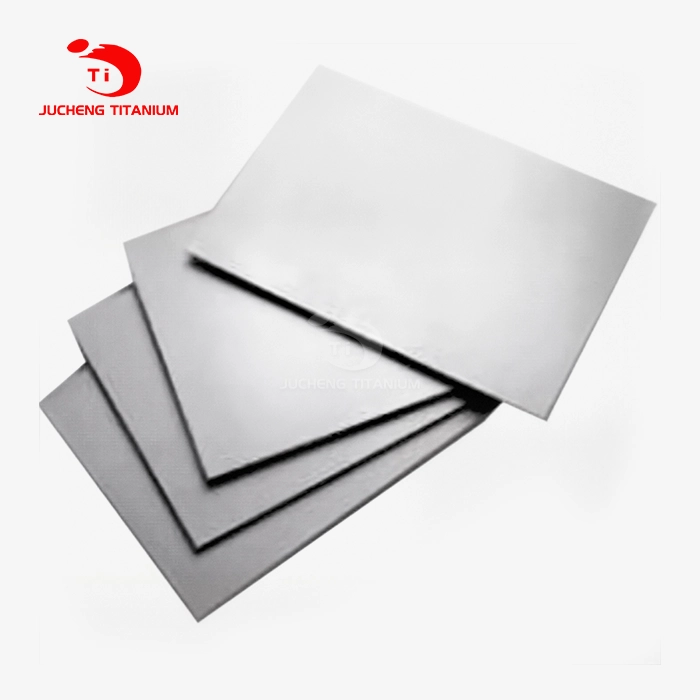
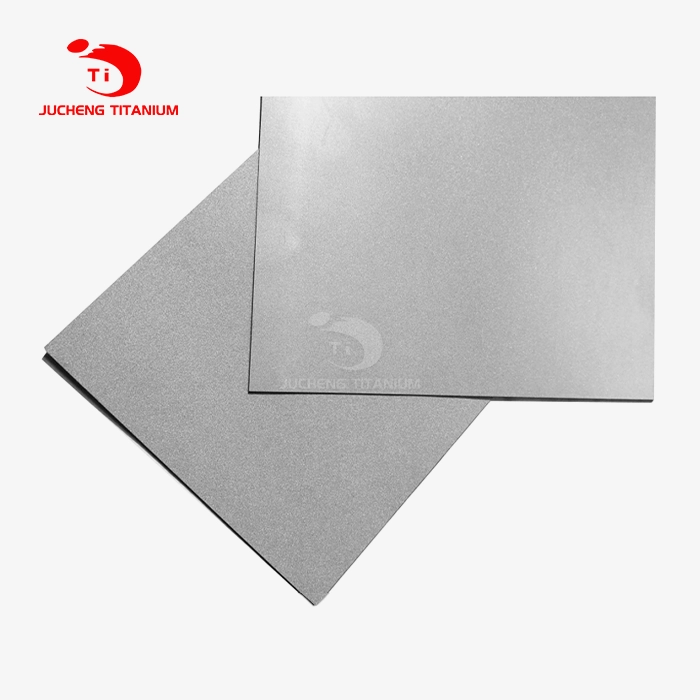
CP Grade 2 titanium sheet stands as a workhorse material across industries demanding exceptional corrosion resistance paired with moderate strength and excellent formability. This unalloyed commercially pure titanium grade excels in chemical processing equipment, marine components, heat exchangers, biomedical devices, and aerospace structures where aggressive environments threaten material integrity. Its balanced mechanical properties—tensile strength around 345 MPa and superior ductility—enable cold forming and welding without cracking, making it the preferred choice for fabricators building complex geometries under strict quality standards.

Understanding CP Grade 2 Titanium Sheet: Properties and Specifications
Understanding the basic properties of CP Grade 2 titanium sheet is important when looking at materials for important manufacturing tasks. This grade is the most common commercially pure titanium variant. It is a good balance of performance and cost-effectiveness across many industrial sectors.

Chemical Composition and Purity Standards
CP Grade 2 titanium sheet has strict limits on the intermediate elements that affect how it works mechanically and how well it resists rust. Oxygen levels are kept below 0.25%, which stops the material from hardening too much and losing its ability to be shaped. To keep the material's natural resistance to corrosion in chloride and acidic conditions, iron amounts must stay below 0.30%. These compositional standards, which are checked during quality checks using ICP-OES and combustion analysis, make sure that each batch is the same, which is important for building long-term ties with suppliers.

Mechanical Performance Parameters
When a material is annealed, its yield strength is around 275 MPa, and its strain value is usually higher than 20%. This means that it can be deep-drawn and bent in complicated ways without breaking. In order to pass the bend test, the sheet must be able to handle a bend radius of 4T to 5T without cracking on the surface. This shows that it can be used for typical production processes used in making heat exchangers and reactor vessels.

Standard Specifications and Tolerances
ASTM B265, ASME SB265, and AMS 4911 ensure production meets tight measurement limitations and surface quality standards. For structural demands, thicknesses vary from 4 mm to 80 mm, and widths from 950 mm to 2500 mm, maximising material utilisation when building huge equipment. After hot-rolling, annealing, levelling, and pickling, the microstructure is regular, and the alpha-case layer is removed, which might reduce welding reliability or rust resistance.

Final application demands determine surface treatments, including polishing, grinding, or acid-pickling. Ultrasonic testing according to AMS 2631 Class A1 shows internal laminations that might compromise the pressure vessel. Aerospace and chemical processing buyers struggle to find reliable, certified supplies. Quality control helps with such issues.
Core Applications of CP Grade 2 Titanium Sheet in Industry
CP Grade 2 titanium sheet is very useful because it can work reliably in places where other materials break down quickly. Knowing where this material gives the most value helps buying teams choose materials that meet business needs and stay within budget.
Chemical Processing and Petrochemical Equipment
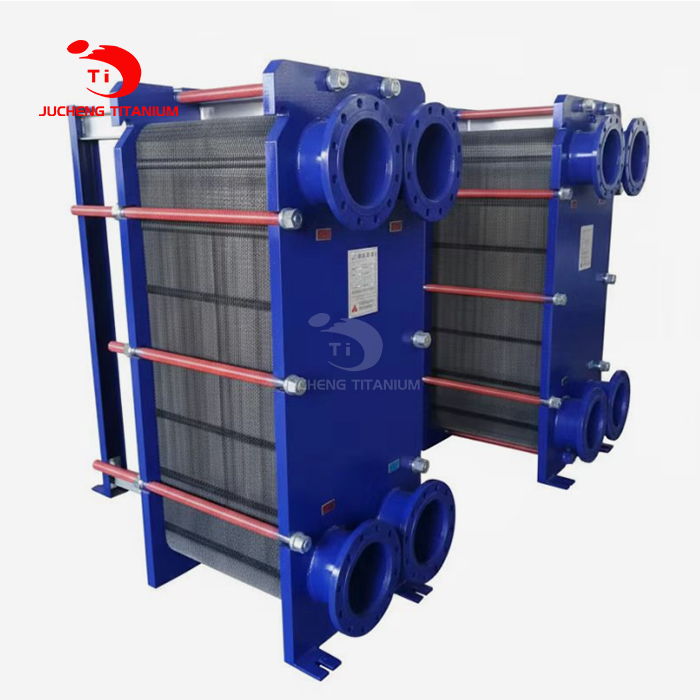
CP Grade 2 titanium sheet can withstand chlorine, chlorides, and oxidising acids that devour stainless steel in months. Chemical reactors, heat exchangers, and pipes employ it. The material's passive oxide layer regenerates; thus, chlor-alkali plants and chlorine dioxide generators may utilise it without maintenance. Even though it has lower thermal conductivity than copper alloys, heat exchanger manufacturers prefer this grade because it doesn't scale or pit over decades, reducing heat transfer efficiency.

Petrochemical fabricators enjoy that the material may be welded, allowing field repairs and unique alterations without post-weld heat treatment. This saves a lot on large projects. Delivering sheets in lengths up to 10,000 mm or bespoke sizes reduces waste and expedites plant expansion construction.
Marine and Offshore Structures
In industrial settings, seawater is one of the most corrosive conditions. However, CP Grade 2 titanium sheet is very resistant to pitting and crevice corrosion, which destroys most marine metals. The fact that this material can handle chloride levels and biofouling without needing protective coatings makes it useful for desalination plant parts, offshore platform heat exchangers, and marine pipe systems.

Even tho it's not as high as with military metals, the strength-to-weight ratio is still better than with bigger stainless steel parts that are needed to get the same corrosion margins. This property is important for offshore uses where the weight of the platform directly affects how much it costs to install and how much support it needs.
Aerospace and Defense Components
CP Grade 2 titanium sheet is used by aircraft manufacturers for firewall shields, ducting, and parts of the exhaust system when temperatures are moderate, and the material's resistance to corrosion and low weight make up for the higher cost. The grade's ductility makes it easier to make complicated forms with compound curves. This cuts down on the number of welded parts that could become places where wear starts.
Defense companies like that the material has to meet ASTM standards for traceability. These standards allow full paperwork chains from mill heat numbers to final assembly, which is a must for military approval processes. While Grade 5 titanium metal is stronger for main structures, Grade 2 is used when it's more important to be able to shape and join than to have excellent tensile strength.
Medical Device Manufacturing
Because it is biocompatible, CP Grade 2 titanium sheet can be used for boxes for surgical instruments, sterilization trays, and some implant parts that don't need to be extra-low interstitial pure. The substance can go through many autoclave cycles without breaking down, and it also doesn't corrode when sterilizing chemicals and bodily fluids come in contact with it.

When the right tools and cutting settings are used, the material can be consistently machined into parts for medical devices that need to be very precise. Polishing can give a surface a finish that meets government standards for cleanliness and particulate control in controlled manufacturing environments.
Comparing CP Grade 2 Titanium Sheet with Other Materials
When choosing a material, it's important to know how CP Grade 2 titanium sheet's performance and cost-effectiveness stack up against other metals that might meet the same application needs. This analysis helps procurement teams explain their choices of materials to people who care about cutting costs without affecting the reliability of operations.

Grade 2 versus Grade 1 Titanium
Because it has less oxygen, Grade 1 titanium is very flexible and slightly more resistant to rust. This makes it perfect for harsh cold-forming and deep-drawing tasks. Its lower strength, though—yield around 170 MPa compared to 275 MPa for Grade 2—restricts its use in structures. For heat exchangers and pressure tanks that need to be calculated according to the ASME code, Grade 2 gives better allowed stresses, which means that less material is needed for the walls and less material is used overall. The price difference between grades is still pretty small, but Grade 2 is recommended because it can be used in more strength-dependent situations. If Grade 1's exceptional ductility is not needed for forming reasons, Grade 2 should be used instead.
Grade 2 versus Grade 4 and Grade 5
Grade 4 titanium is stronger because the interstitial element grows in a controlled way, allowing it to reach yield strengths above 480 MPa. This makes it a good choice for aerospace uses where weight is important and material properties need to be pushed. But because it has more oxygen than Grade 2, it is harder to shape and weld, which means it can't be used for complex fabrications.
Grade 5 (Ti-6Al-4V) is the workhorse alloy in aerospace, with tensile strengths of over 900 MPa. However, it is more difficult to work with and costs more per kilogram than Grade 2. It can only be used in situations where the extra strength is worth it. Grade 2 is used in situations where corrosion protection is important and average strength is enough. It can save a lot of money when making a lot of equipment.
Titanium Grade 2 versus Stainless Steel
CP Grade 2 titanium sheet and types of stainless steel like 316L are both good at resisting rust, but 316L is cheaper to buy at first. However, lifetime research shows that titanium has benefits. When used in saltwater, stainless steel needs protective cathodic systems and gets localized corrosion that means it needs to be replaced too soon. CP Grade 2 titanium sheet doesn't need any maintenance for decades and has lower lifecycle costs, even tho it costs more up front.
Titanium is also better than other materials when it comes to weight, especially when structural loads or transportation costs are important. A CP Grade 2 titanium sheet part weighs about 40% less than a stainless steel one of the same size. This means that foundations aren't needed for plant setups, and vehicles use less fuel.
Procurement Insights: How to Source and Evaluate CP Grade 2 Titanium Sheet
Negotiating the best price for materials is only one part of a successful buying process. Other important parts include checking the quality of suppliers and making sure the supply chain is reliable. Because handling titanium is so specialized, suppliers must be carefully checked to make sure they don't sell fake materials and that projects are delivered on time.
Supplier Certification and Quality Assurance
Major providers of CP Grade 2 titanium sheets maintain ISO 9001 quality management certifications and AS9100 aerospace certifications to demonstrate production control. Material traceability systems should link each sheet to a mill's chemical, mechanical, and heat treatment test reports.
Ask to see buyer representatives test manufacturing batches for tensile and bend strength before shipping to check for mistakes. For critical pressure tank usage, ultrasonic checks that show no laminations or inclusions offer assurance. Owning testing laboratories with ICP-OES chemical analysis and ASTM E8 mechanical testing shows suppliers care about quality beyond resale.
Evaluating Production Capabilities
Manufacturers that melt, roll, and finish their own products have more customisation possibilities and more consistent lead times than wholesalers who acquire from several mills. Designers may plan better and save waste when manufacturing large machines by using bespoke measurements beyond typical sheet sizes.
Rolling, annealing, levelling, and pickling need metalworking equipment and skills to achieve consistent mechanical properties and surface quality. Site visits or virtual tours of facilities reveal how much is being created, how well the equipment works, and how well the people are trained, which affects transportation reliability under peak demand.
Pricing Dynamics and Inventory Strategy
Titanium prices vary with sponge market conditions, metal fees, and processing difficulty. Bulk purchase agreements with annual volume pledges are cheaper than spot buys, although material obsolescence and inventory holding costs must be considered. Companies with 3,000 tonnes of material can satisfy urgent demands caused by unexpected delays or breakdowns.
Custom cut-to-length services cost more than standard sizes, but they decrease offcuts and waste. To correctly compare local and offshore vendors, you should include total acquisition costs, including freight, international customs fees, and inventory carrying expenses.
Practical Guidance for Working with CP Grade 2 Titanium Sheet
To make titanium parts, you need special skills that are different from how steel is usually worked with. When engineers are new to titanium, it helps to know the best ways to work with it so that the structure stays strong and there isn't any expensive rework.

Welding Techniques and Shielding Requirements
GTAW/TIG with argon shielding creates excellent CP Grade 2 titanium sheet joints. Successful atmospheric shielding is essential. This comprises front weld puddle shielding, root side back purging, and following shields to prevent metal from cooling with air that weakens it. Without appropriate shielding, contamination causes straw (acceptable) to blue or grey (rejectable) discolouration, which indicates oxide development that weakens the joint.
Iron particles or oil remnants may induce porosity and inclusions; thus, stainless steel wire brushing and liquid degreasing should be done before welding. Titanium welder training ensures expertise before production welding. This avoids quality difficulties when organisations migrate from steel to other materials.
Machining Parameters and Tool Selection
Titanium doesn't conduct heat well and reacts chemically with cutting tools, so different methods of machining are needed. Work hardening and built-up edges that damage the surface finish can be stopped by cutting more slowly, using a lot of water, and using sharp carbide or polycrystalline diamond tools. Cutting should be done continuously as much as possible because the material tends to gall and seize, which means that the tool needs to be constantly engaged for the best results.
Controlled roughness levels are needed for corrosion-critical applications. This is usually done by making several light finishing passes instead of one aggressive pass of machining. By understanding how these materials behave, you can avoid problems with measurement tolerance and surface flaws that could affect how well equipment works.
Heat Treatment and Annealing Protocols
Stress relief annealing, which is done at temperatures between 480°C and 650°C for set amounts of time, gets rid of any remaining stresses from forming or welding without changing the mechanical features too much. Full annealing at higher temperatures recrystallizes the microstructure, restoring the material's maximum ductility after cold working has pushed its formability limits.
Controlling the atmosphere during the heat treatment keeps the surface from getting dirty, which lowers the resistance to corrosion. Vacuum or inert gas furnaces protect the material, but acid pickling after annealing in an air furnace can improve the surface condition if it's cost-effective to do so. Temperature consistency and estimates of soak time based on section thickness make sure that all stresses are relieved, even in the most complicated fabrications.
Conclusion
CP Grade 2 titanium sheet has been used successfully in chemical processing, marine, aircraft, and medical settings where corrosion protection and dependability are important enough to support the cost of the material. It can be shaped and welded, and has balanced dynamic properties that let it be used to make complicated structures that meet strict quality standards. For procurement to go well, suppliers need to be qualified, quality must be checked through chemical and mechanical testing, and best practices for fabrication must be understood. Material comparison shows that titanium has better lifetime value than stainless steel, even tho it costs more at first. Positioning in relation to other titanium types makes application-specific selection criteria clearer. When companies work with experienced suppliers, they get access to expert help, the ability to customize products, and a large inventory, all of which speed up project execution and lower supply chain risks.
FAQ
1. What distinguishes CP Grade 2 titanium from Grade 5 alloy?
CP Grade 2 titanium sheet is fairly pure and has a content of about 98.9% titanium. It is very resistant to corrosion and has a modest tensile strength of about 345 MPa. Grade 5 (Ti-6Al-4V) is an alloy made of titanium, aluminum, and vanadium. It has over 900 MPa of strength, but it is much more expensive and doesn't fight corrosion as well in some settings. CP Grade 2 titanium sheet is great for chemical and marine uses where corrosion is a concern, and Grade 5 is used for aerospace structures that need the highest strength-to-weight ratios.
2. Can Grade 2 titanium sheet be used for medical implants?
CP Grade 2 titanium sheet is biocompatible and can be used for surgical tools and some implant uses. However, Grade 23 (extra-low interstitial Ti-6Al-4V) is better for permanent orthopedic implants because it is more resistant to fatigue. CP Grade 2 titanium sheet has been certified to ASTM F67, which means it can be used for surgical implants. Its ability to be shaped and lower cost compared to Grade 23 makes it a better choice.
3. How does Grade 2 titanium pricing compare to stainless steel?
The cost of CP Grade 2 titanium sheet is four to six times higher per kilogram than the cost of 316L stainless steel. However, lifecycle analysis shows that the differences in total costs are not as big. Titanium is better than stainless steel at resisting corrosion, so it doesn't need to be replaced as often or cause as much downtime. Its lower density also saves money on weight-related costs in structural and transportation applications.
Partner with Jucheng Titanium for Reliable CP Grade 2 Titanium Sheet Supply
Jucheng Titanium is a certified manufacturer and supplier with more than 20 years of experience in the industry in Baoji, China's Titanium Valley. They keep 3,000 tons of CP Grade 2 titanium sheet in stock and ready to ship right away. Our hot-rolled sheets are made to meet ASTM B265 and ASME SB265 standards. They come in widths ranging from 4mm to 80mm and can be cut to any length up to 10,000mm so that you don't have to waste as much material on your manufacturing projects. We provide full mill test certificates, ultrasonic inspection reports, and mechanical testing paperwork that meet the strictest quality standards for makers of aircraft, chemical processing, and marine equipment all over North America.

Our production methods include rolling, heating, leveling, pickling, and finishing the surface. These steps are controlled by 45 patents, which ensure that the qualities of the materials are the same from one production batch to the next. Our expert team works together to come up with the best material specs for your design, whether you need smooth surfaces for medical uses, acid-pickled finishes for welding, or custom-sized sheets for making heat exchangers.
Email s4@juchengti.com right now to talk about your needs for CP Grade 2 titanium sheet. We have low prices for large orders, quick responses to quotes, and technical help throughout the buying process. This is because Jiangxi Copper Group and other major petrochemical contractors trust our national-level specialized "little giant" business.
References
1. American Society for Testing and Materials. (2020). ASTM B265: Standard Specification for Titanium and Titanium Alloy Strip, Sheet, and Plate. West Conshohocken: ASTM International.
2. Boyer, R., Welsch, G., & Collings, E.W. (1994). Materials Properties Handbook: Titanium Alloys. Materials Park: ASM International.
3. Donachie, M.J. (2000). Titanium: A Technical Guide (2nd Edition). Materials Park: ASM International.
4. Schutz, R.W. & Thomas, D.E. (1987). Corrosion of Titanium and Titanium Alloys. Metals Handbook Volume 13: Corrosion (9th Edition). Materials Park: ASM International.
5. Peters, M., Kumpfert, J., Bird, C.H., & Leyens, C. (2003). Titanium Alloys for Aerospace Applications. Advanced Engineering Materials, 5(6), 419-427.
6. Lutjering, G. & Williams, J.C. (2007). Titanium (2nd Edition). Berlin: Springer-Verlag.