
Is it gold-plated titanium hypoallergenic?
Titanium that has been covered in gold is safe because titanium is nontoxic, and the gold protects the metal. When you look at titanium plate uses, you should know that titanium is naturally hypoallergenic, and this doesn't change when it is properly gold-plated. The mix makes a better surface that keeps its structural stability, which is important in fields like medicine, airplanes, and chemical processes, while also lowering the risk of allergic reactions. This one-of-a-kind mix solves important safety problems in delicate settings where regular metals might not work well.
Introduction
In today's tough business world, the choice of sensitive materials is very important. This affects everything from making medical devices to rocket building. Material fit has a direct effect on the safety of the product, how well it works, and how well it follows the rules. You need to be smart about what you buy if you want to be successful.
These hypoallergenic traits are important for many reasons, not just for consumer goods. Biocompatible materials are used to make medical gadgets that don't hurt the body's tissues or cause them to reject them. To make sure that aircraft parts always work, they need materials that don't break down in rough circumstances. Companies that make gadgets need surfaces that don't get dirty but can still carry power. Titanium and gold finishing have become very important to B2B buyers because they meet a wide range of needs.
Engineers and OEMs need to find a way to meet both safety and efficiency standards. Material selection affects not only quick value but also long-term dependability, upkeep costs, and regulatory approval timelines. Discovering that gold-plated titanium is safe is helpful for hiring teams so they can make smart choices.
This in-depth study looks at how sensitive gold-plated titanium is. There is information about the material's performance, how it stacks up against other materials, production standards, and buying factors that can make or break a project.
Understanding Hypoallergenic Properties of Gold-Plated Titanium
The Science Behind Hypoallergenic Metals in Industrial Applications
When safe metals are used at work, they don't react much with living things or acidic environments. Materials that are biocompatible are important for healthcare tools to keep people safe, and materials that are stable are important for airplanes to keep structures strong.
It is important for many business-to-business (B2B) fields to have hypoallergenic properties, like when making medical gadgets, aircraft parts, and high-end technology. The materials in these places need to keep working well without breaking down or doing anything bad that could make the system less effective.
Titanium's Inherent Hypoallergenic Characteristics
Because of how its surface is chemically organized, titanium is very safe for living things. When oxygen comes in touch with titanium, it forms a stable oxide layer. It keeps the metal from coming into close touch with the skin through this layer. Being allergic means that the material stays that way as long as it's used. If this passive layer gets broken, it heals itself.
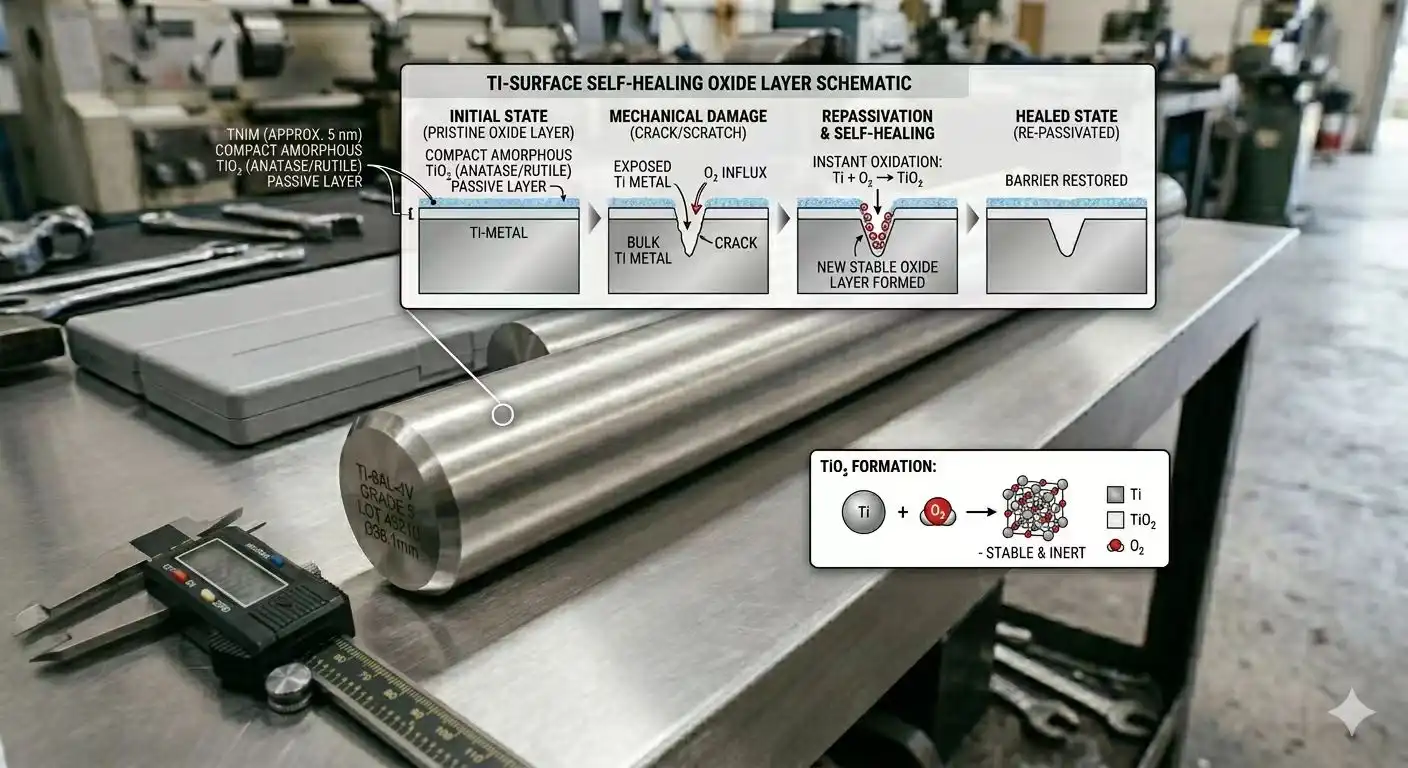
Titanium alloy plates don't rust as easily as stainless steel does in salt environments. It is also 1000 times less likely to get pits than regular metals. This safety comes from having a lower allergic potential, since rust products often cause responses that are inflammatory.
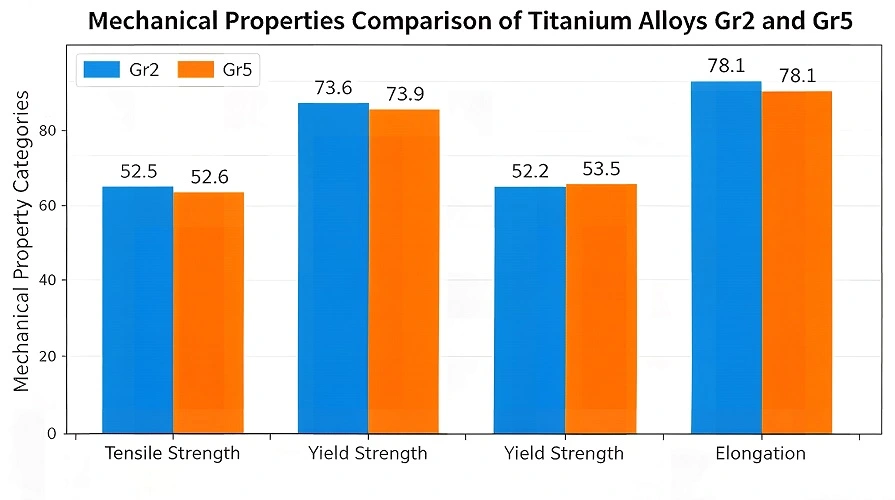
In terms of tensile strength, Grade 2 titanium can give at least 275 MPa, but it is still very bendable. It takes 827 MPa of force to break Grade 5 (Ti-6Al-4V), which is a lot more than Grade 4. It can be used for load-bearing tasks where sensitive properties are still important.
Because titanium is resistant to heat, it can keep its shape at temperatures as high as 550°C for Grade 2 and 400°C for a long time with Grade 5. This keeps the metal from changing in ways that could damage its sensitive properties when it's used at high temperatures.
Gold Plating Effects on Titanium Substrates
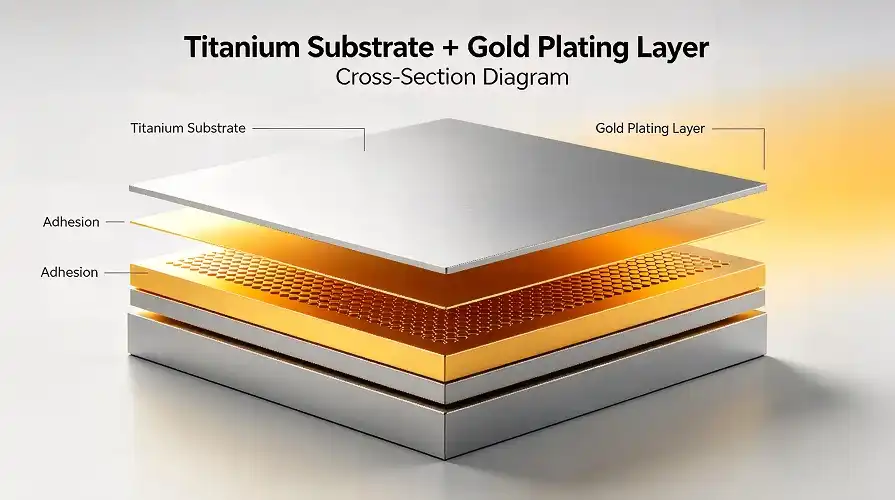
It makes the titanium more immune to rust when gold is put on top of it. The good qualities of the titanium itself are still there. The gold layer not only blocks allergens, but it also stops outside factors that might do the same thing.
When gold plating is put on top of a titanium base, it's important to think about how the layers will stick together and how they will expand when heated. Controlled roughening and cleaning techniques are used to prepare the surface in the right way. This ensures a strong bond that doesn't come apart during service.
When plating, most of the allergic risks come from the middle layers or the pollution that happens during the coating process. Professional finishing uses at least 99.9% pure gold and a controlled atmosphere to keep impurities out and the sensitive properties working well.
Material Performance Comparison: Titanium Plate vs. Other Metals in Hypoallergenic Applications
Corrosion Resistance Analysis
In many different situations, the rust resistance of the titanium plate is superior to that of other materials. There are over 19,000 parts per million of chloride in saltwater, which doesn't hurt titanium. Stainless steel starts to pit when the chloride level is over 100 parts per million.
When aluminum alloys are mixed with metals that are not the same, galvanic rusting can happen. This can cause allergic reactions to form. The protective coatings on carbon steel might have allergens in them or wear off over time, showing the reactive surfaces.
The passive oxide layer of titanium fixes itself in microseconds after it is broken, so it can keep its protective qualities without any help from outside sources. This automatic recharge keeps the hypoallergenic working well for a long time, which means that repairs are less likely to be needed and cost less.
Comparative Advantages in Specialized Applications
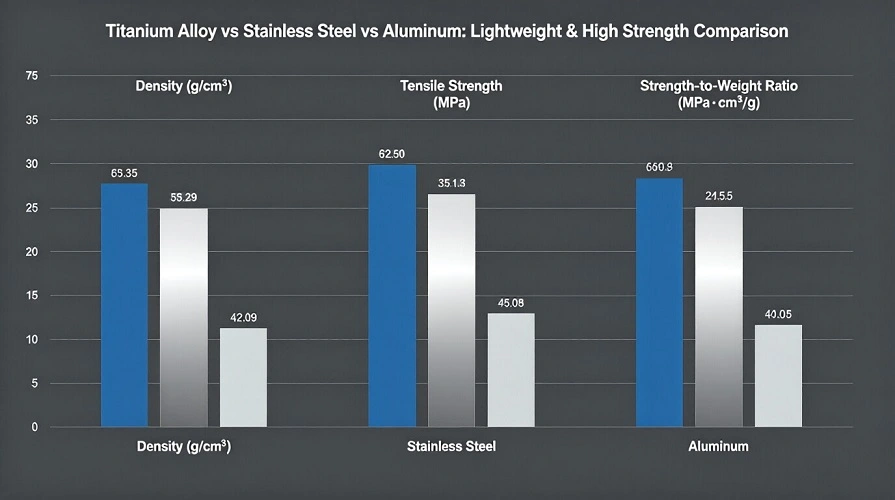
Titanium is very light, which is helpful in aircraft applications where reducing weight directly affects how much fuel is used and how much can be carried. Titanium is about 40% stronger than aluminum when it comes to weight, and it can handle higher temperatures better.

Biocompatibility tests have shown over and over that titanium is good for tissue reaction. A little less than 0.1 percent of people who are tested on titanium alloys had an allergic reaction, while about 10 percent of people who are tested on nickel-containing metals did.
A test for fatigue resistance shows that titanium has an infinite fatigue life below stress levels of 60% maximum tensile strength. This means it lasts longer. This trait is very important for medical operations and parts of airplanes that are loaded and unloaded a lot.
Grade Selection Guidelines
Titanium grade 2 is best for general uses that need to be sensitive because it doesn't rust and is easy to shape. When steel is tempered, it makes it easy to shape, but it is still strong enough to be used in structures.
It is best for making heavy parts because Grade 5 (Ti-6Al-4V) is the strongest. The material can be burned to make it stronger without changing its nontoxic qualities, which is important for sensitive uses. This is possible because of its alpha-beta microstructure.
Welding isn't always possible with all grades. For small pieces, Grade 2 is better. It is important to keep the metal clean when welding Grade 5 because getting it dirty could change both its mechanical properties and its ability to be sensitive.
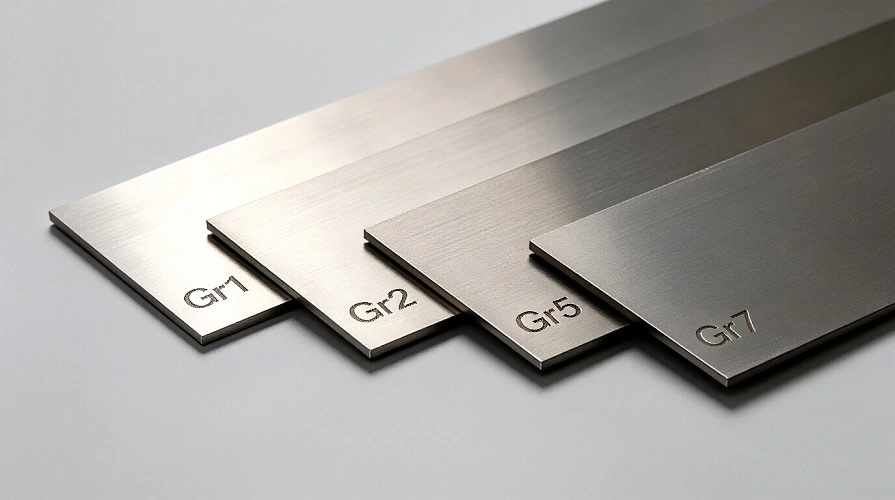
Manufacturing and Quality Assurance of Gold-Plated Titanium Plates
Industry-Leading Manufacturing Standards
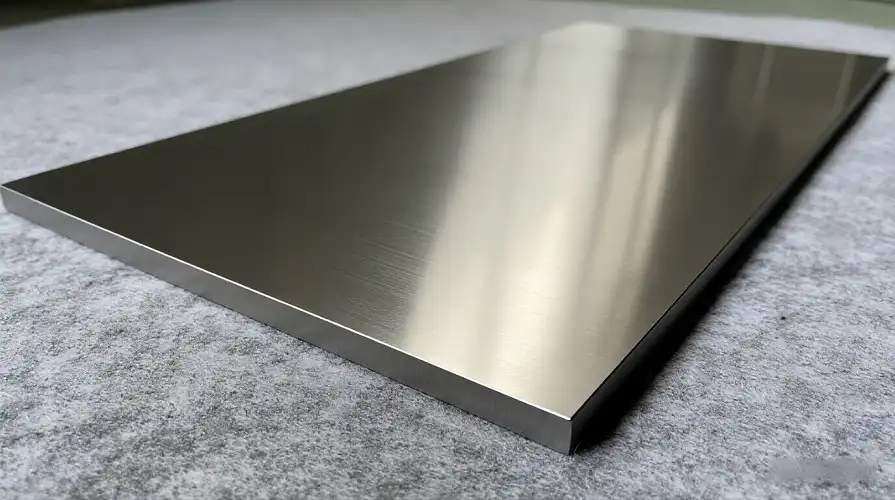
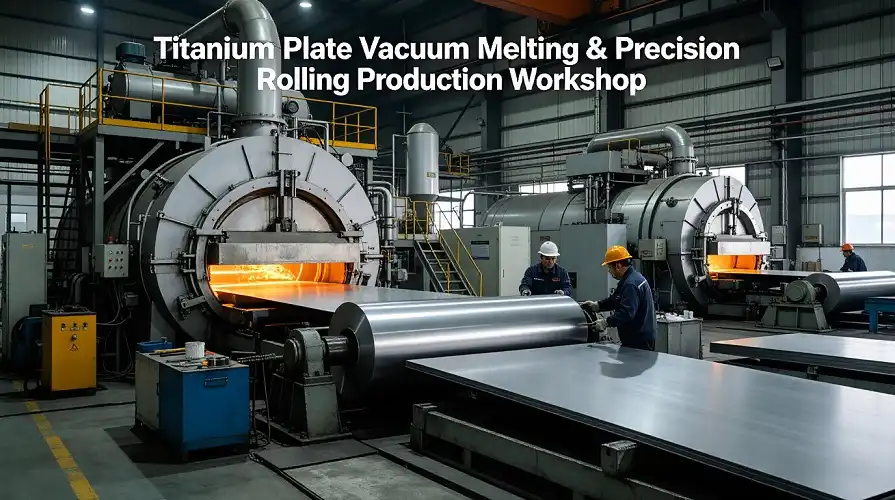
There are tight rules for making a titanium plate, such as ASME SB265, ASTM B265, AMS 4911, and ASTM F67. These rules make sure that all batches of production have the same sizes and quality of materials. It is important to roll, heat, level, pickle, and finish the sides of hot-rolled titanium plates in a controlled way so that they have certain qualities.
In places like Baoji that have a lot of titanium, advanced vacuum arc remelting is used to make sure the material is clean, which is important for sensitive uses. When the material is handled in a controlled atmosphere, contaminants that could damage the surface quality or biocompatibility are kept out.
Checking the chemical make-up, testing the mechanical properties, and measuring the surface finish are all part of quality control protocols. Modern testing tools can find very small amounts of elements that could change how sensitive something is. This is done to make sure that the material passes standards for use in hospitals and airplanes.
Gold Plating Techniques for Titanium Applications
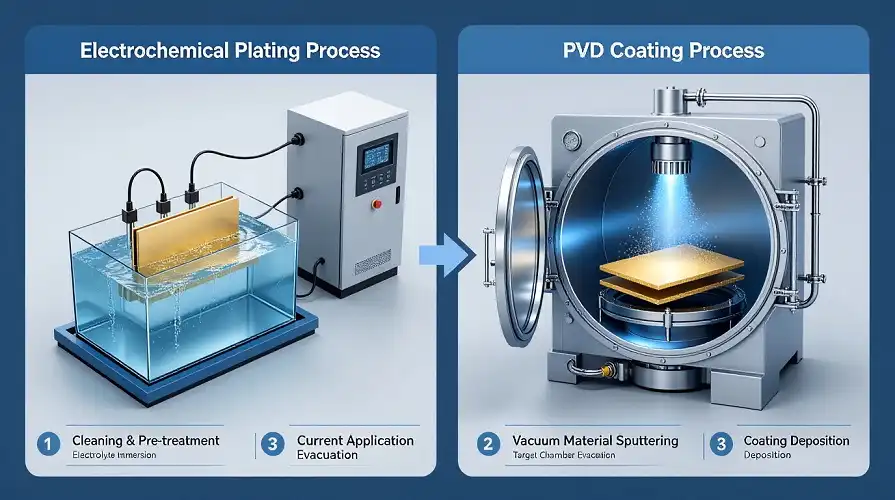
An electroplating process is the most common way to add gold to titanium. The surface needs to be carefully cleaned, etched, and struck in order for the process to work. Being able to control the current intensity keeps the layer from getting thinner and makes sure that it is the same thickness all over.
Vapor deposition (PVD) is the best way to make coatings that stick to irregular forms and are smooth. It's important to keep things clean and be able to precisely control the thickness in precision uses, which is what the vacuum setting does.
Most of the time, coating thickness requirements are between 0.5 and 5 micrometers, but they can be different for different uses. When the material is used in medicine, the minimum thickness is usually set to make sure it lasts. When the material is used in electronics, the thickness needs to be carefully controlled to get the best conductivity.
Performance Metrics and Testing Standards
Tests of tensile strength show that gold finishing doesn't change how the base works mechanically. For Grade 2 titanium, the minimum yield strength after finishing stays at 275 MPa, and for Grade 5 titanium, it stays at 827 MPa.
Hardness tests show how consistent the layer is and what the state of the base is. Both the hardness of the coating and the hardness of the base are found by Vickers hardness tests at different loads. This makes sure that the processing settings are right.
Validation of heat protection makes sure that gold-plated steel can still do its job when it's hot. When you do thermal cycle tests, you make it look like real life and check how well the coating sticks to the base and how stable its microstructure is.
Practical Applications and Procurement Considerations for Gold-Plated Titanium Plates
Real-World Industry Applications
Aerospace companies use gold-plated titanium plates in satellite communication systems that need strong metal surfaces and light shapes to keep the signal strong. It can work effectively in space, where temperatures change a lot, because the material doesn't change when it comes to heat.
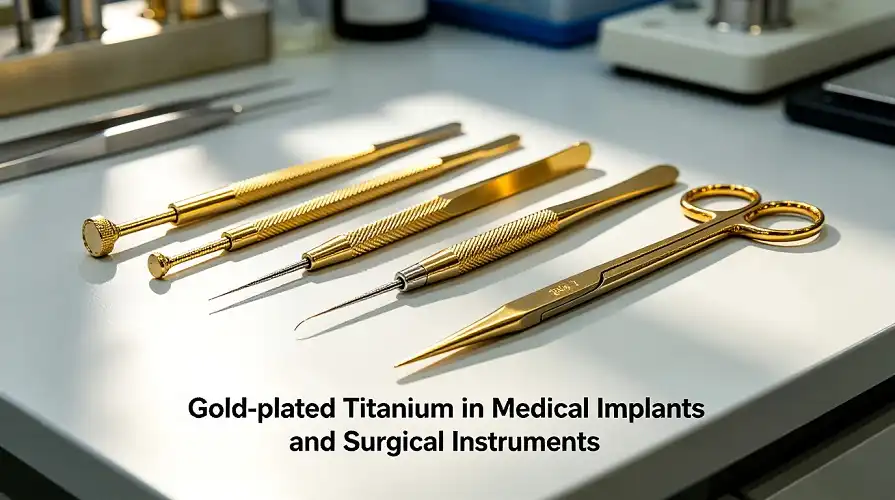
Because they are used on people, surgical tools need to be biocompatible and easy to see in surgical lights. The gold surface bounces light around very well, and the titanium base makes it strong and not likely to rust in places where it will be cleaned.
Titanium and gold can be used together in some tech applications because gold can conduct electricity, and titanium can block electromagnetic waves. In high-frequency circuits, this mix of materials is used to send data as quickly as possible.
Cost Analysis and Procurement Factors
Titanium costs about three to five times more per weight than stainless steel when you compare prices. But when it matters, the better performance usually makes up for the extra cost. Because the material is stronger for its weight, less of it is needed, which helps balance out the higher unit prices.
The amount of gold that needs to be used and how thick it needs to be can make the price go up a lot. But the better surface quality and resistance to rust make the product last longer. This is good for tough uses because it lowers the total cost of ownership.
In bulk, you can buy standard sizes and grades, and if you buy at least 1000 kg, you commonly get price breaks. For unique specs, you might need at least 5,000 kg to cover the costs of setting up the production line.
Supplier Selection Criteria
You can trust suppliers whose quality standards are backed up by ISO 9001, AS9100 for use in airplanes, and ISO 13485 for medical goods. For important uses, these rights make sure that the process can be tracked and managed.
It has its own testing rooms, high-tech metalworking tools, and engineering support services for titanium alloy plates when it needs them. Suppliers with a lot of different skills can help you find the best products and make custom solutions for your needs.
For projects to stay on plan and prices to stay low, the supply chain needs to be reliable. Companies that have been around for a while keep enough stock and production capacity on hand to handle urgent shipping needs and let customers know how long they will have to wait.
Conclusion
Gold-plated titanium is hypoallergenic and very good at meeting the needs of many businesses, such as manufacturing, medicine, and airplanes. When you mix the natural biocompatibility of titanium with the noble metal qualities of gold, you get surfaces that are less likely to bother people with allergies while still being able to handle rough conditions well. Improvements in the ways titanium plates are made and gold finishing is done have made quality and dependability more uniform for important uses. Purchasing staff must understand the unique qualities of the material, how prices change, and what providers can do in order to make decisions that are best for both performance and cost.
FAQ
Q1: Is Gold-Plated Titanium Safe for Patients with Metal Allergies?
Since both gold and titanium are safe, gold-plated titanium is a great choice for people who are allergic to metals. Clinical tests show that titanium is biocompatible more than 99.9% of the time, and pure gold treatment adds another layer of defense against possible reactions. These metals work well to stop common allergens like nickel and chromium that are found in other medical metals.
Q2: How Does Gold Plating Affect Titanium's Corrosion Resistance?
Tin is even more resistant to rusting when it is treated with gold, which covers it with a fine metal that doesn't rust or react with chemicals. The gold layer keeps the surface clean, and the titanium oxide layer, which isn't doing anything extra, protects it. Two layers of safety work together to keep things steady over time in harsh circumstances like chemical processes and biological fluids.
Q3: Which Titanium Grade Works Best for Hypoallergenic Applications?
Grade 2 titanium is the best choice for most uses that need safe performance because it is commercially pure and works well with living things. Grade 5 (Ti-6Al-4V) is just as sensitive as Grade 4, but it's harder for tough building uses. If you use the right surface preparation and plating methods when gold-plating, both types will keep their hypoallergenic properties.
Partner with Jucheng Titanium for Superior Gold-Plated Titanium Solutions

Jucheng Titanium has more than 20 years of experience making titanium plates and cleaning their surfaces to meet your needs for sensitive materials. We can quickly send popular grades like Gr1, Gr2, Gr4, Gr5, Gr7, Gr9, and Gr12 in thicknesses from 4mm to 80mm thanks to our big stock of 3,000 tons. We can also make them in any size you want, up to 10,000mm long and 2500mm wide.
We use high-tech methods to make sure that the quality is always the same for gold plating. These methods include exact rolling, heating, leveling, cleaning, and surface finishing. Our products are certified in ASTM B265, ASTM F67, AMS 4911, and ASME SB265. We promise that all of them can be watched and meet the performance standards needed for important hypoallergenic uses.
You can talk to our technical experts about your specific needs and get quotes for gold-plated titanium options by emailing s4@juchengti.com.
References
1. American Society for Testing and Materials. "Standard Specification for Titanium and Titanium Alloy Strip, Sheet, and Plate." ASTM B265-20a, 2020.
2. Boyer, R.R., and Briggs, R.D. "The Use of β Titanium Alloys in the Aerospace Industry." Journal of Materials Engineering and Performance, Vol. 14, No. 6, 2005.
3. Geetha, M., Singh, A.K., Asokamani, R., and Gogia, A.K. "Ti Based Biomaterials: The Ultimate Choice for Orthopaedic Implants." Progress in Materials Science, Vol. 54, No. 3, 2009.
4. Lutjering, G., and Williams, J.C. "Titanium: Engineering Materials and Processes." Springer-Verlag Berlin Heidelberg, 2nd Edition, 2007.
5. Rack, H.J., and Qazi, J.I. "Titanium Alloys for Biomedical Applications." Materials Science and Engineering C, Vol. 26, No. 8, 2006.
6. Welsch, G., Boyer, R., and Collings, E.W. "Materials Properties Handbook: Titanium Alloys." ASM International, Materials Park, Ohio, 1994.