
Pickled Titanium Tube for Heat Exchanger Applications
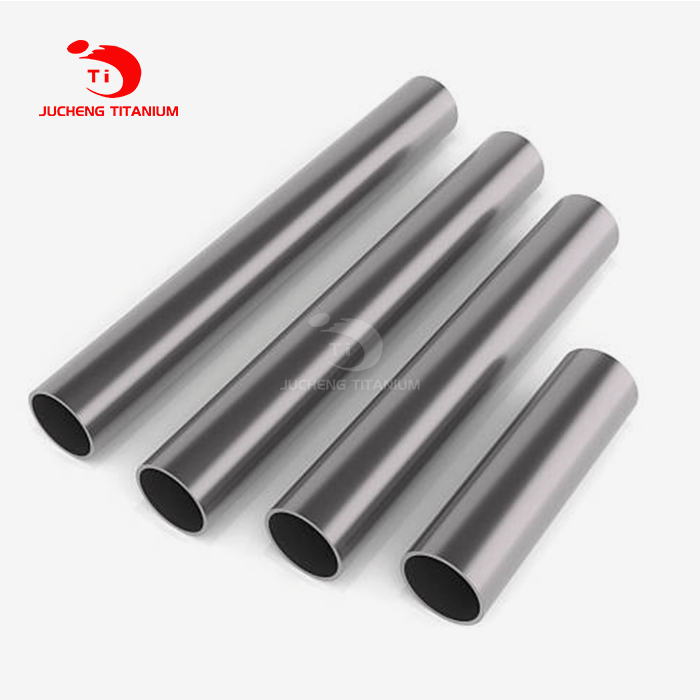
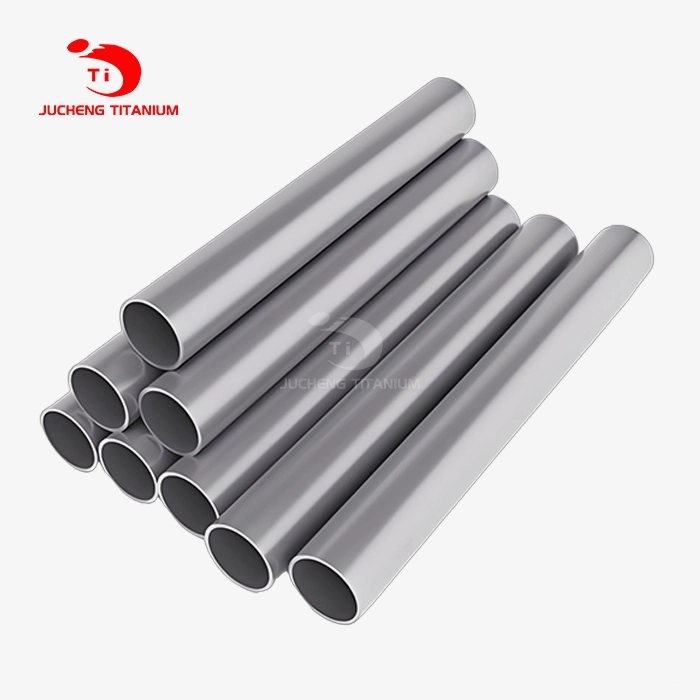
When heat exchangers work in corrosive places like petrochemical refineries, desalination plants, or chlor-alkali facilities, the choice of material can mean the difference between the equipment staying up and running or having to be shut down for expensive repairs. Pickled Titanium Tube products are seamless tubes that have been treated with a special acid that gets rid of surface oxides and impurities. This leaves a chemically clean, matte grey finish that is perfect for tough heat transfer jobs. This process of preparing the surface makes it more resistant to corrosion, easier to weld, and guarantees the exact measurements needed for long-term dependability in harsh industrial settings where thermal efficiency must not be compromised.


Understanding Pickled Titanium Tubes and Their Benefits
Pickling changes a raw titanium tube into an industrial-grade material that can be used in high-performance situations. Titanium naturally forms a brittle oxide layer and an oxygen-rich alpha case on its surface after being extruded and heated. We put tubes in a controlled mixture of nitric acid and hydrofluoric acid. This removes the surface contaminants while protecting the structure of the base metal. This chemical process takes off about 0.02 to 0.05 millimetres of material, leaving behind new titanium that forms a solid passive oxide film as soon as it comes into contact with air.

Enhanced Corrosion Resistance Through Surface Preparation
The acid treatment on the surface makes titanium's natural resistance to rust work at its best. The pickled finish protects against chlorides, sulphates, and acidic condensates that are common in heat exchanger settings. This is different from tubes that haven't been treated, where leftover scale can trap corrosive agents. Our Baoji factory prepares tubes according to ASTM B338 and ASTM B861 standards, making sure that every product meets strict requirements for use in heat exchangers and condensers. The matte surface texture, with roughness levels between 1.6 and 3.2 micrometres, makes it easy for coatings to stick to if extra safety layers are needed for certain chemical reactions.

Manufacturing Standards Governing Quality
International standards spell out exact requirements for pickled titanium tubing that is used in important tasks. ASTM B338 sets strict limits on chemical composition, mechanical qualities, and size tolerances for both seamless and welded tubes used in condensers and heat exchanges. These standards are mirrored in ASME SB338 for use in pressure vessels. We keep up with compliance for all grades, such as CP Grade 1 and Grade 2 for general commercial use and Grade 9 (Ti-3Al-2.5V) for uses that need higher strength-to-weight ratios. Our production range includes outer sizes from 3 to 219 millimetres and wall thicknesses from 0.5 to 20 millimetres. This means that we can make a wide range of heat exchanger types, from shell-and-tube to plate-fin.

Comparing Pickled Titanium Tubes with Alternatives for Heat Exchangers
When choosing materials for heat exchangers, you have to weigh the original cost against the performance over the whole life of the product. Stainless steel alloys are cheaper up front, but titanium tubes are more resistant to corrosion in chloride-rich environments, where stainless grades rust in pits and cracks. In some situations, the acid-treated surface of Pickled Titanium Tubes works better than bright-annealed options when surface cleaning is more important than how the tube looks.

Get in touch with our technical team at s4@juchengti.com to talk about your project needs and get full details on our Pickled Titanium Tube supplier services.Get in touch with our technical team at s4@juchengti.com to talk about your project needs and get full details on our Pickled Titanium Tube supplier services.
Performance Metrics That Matter
Corrosion resistance tells you how long something will last in harsh media. Our Grade 2 pickled tubes are very stable in seawater, keeping their shape when copper-nickel alloys break down quickly due to sulphide contamination. Getting rid of the brittle alpha case through pickling gets rid of a frequent place where failure starts when the material is loaded and unloaded over and over again, which happens a lot in thermal expansion situations. Mechanical tests show that properly pickled tubes pass the flaring and flattening tests without cracking. This shows that the tubes' ductility is still there after the surface treatment.

The finish on the surface has a direct effect on how well heat moves and how well it resists fouling. Pickled surfaces are just the right amount of rough—smooth enough to keep pressure drops to a minimum, but rough enough to break up laminar boundary layers that lower heat transfer coefficients. If you compare pickled finishes to manually polished tubes, they achieve 85–90% of the thermal performance at much lower processing costs. This makes them a good choice for large-scale systems that need hundreds of tubes.

Cost-Benefit Analysis for Procurement Teams
Lifecycle cost estimates show what the real value is. A Louisiana chemical processing plant switched from stainless steel heat exchanger tubes to Grade 2 pickled titanium units. This meant that repair times went from every 18 months to over five years. Even though the starting cost of materials went up by about 40%, the savings in labour, system downtime, and waste costs over three years made the investment worthwhile. The pickled surface preparation was very important because unpickled tubes failed to weld properly during manufacturing, but the chemically clean surface of pickled tubes allowed for flawless orbital welding throughout the tube bundle assembly.
How to Procure Pickled Titanium Tubes for Heat Exchanger Projects
To do strategic sourcing for Pickled Titanium Tubes, you need to know about both technical specs and the processes of the supply chain. Purchasing managers have to look at a potential supplier's ability to make things, their quality control systems, the amount of inventory they have, and their global delivery infrastructure. The U.S. market buys more and more from specialised makers who have experience processing titanium instead of general metal dealers who don't know much about metallurgy.

Selecting Reliable Manufacturing Partners
Manufacturers that have been around for a while keep their quality management systems up to date with ISO 9001 standards and certifications specific to their business. Jucheng Titanium has been handling titanium for 20 years and has worked with groups like Jiangxi Copper Group and the Northwest Institute for Nonferrous Metal on joint study projects. These partnerships show that we are good at technology and want to keep getting better. Our facility keeps 3,000 tonnes of titanium on hand all year, so we can quickly meet the needs of urgent projects while also being able to adapt to specific needs.
Material test reports, non-destructive testing certifications, and traceability documentation should all be looked over as part of the manufacturing credentials check. Eddy current testing, according to ASTM E426, is done on each tube batch to look for surface flaws, and ultrasonic checking, according to ASTM E213, makes sure that the inside is sound. Hydrogen content analysis according to ASTM E1447 makes sure that the cleaning process wasn't done incorrectly and that there are no risks of embrittlement. This is an important quality factor that less experienced sellers often forget about.

Logistics and Delivery Considerations
Titanium tubes need to be handled in a certain way when they are shipped internationally to keep the surface from getting damaged or contaminated. Tubes should be grouped together with protected end caps, wrapped in packaging that won't get wet, and fastened so they don't move while they're being shipped. Lead times depend on how complicated the specification is. Standard grades with standard measurements usually ship within four to six weeks, but it could take up to twelve weeks for custom metal mixtures or specialised surface treatments. We work with freight forwarders who know how to handle speciality metals and make sure that the right paperwork is sent for customs clearance and that all North American import rules are followed.
Why Choose Pickled Titanium Tubes for Heat Exchanger Applications?
The technical benefits of Pickled Titanium Tubes are directly reflected in operational benefits that affect how well the plant makes money and how safe it is. These tubes are not only resistant to corrosion, but they also improve thermal efficiency, system reliability, and maintenance costs in ways that make them worth specifying in important heat transfer applications.
Proven Performance in Demanding Environments
Coastal power plants and desalination plants all over the Middle East use titanium tubes to handle seawater moving quickly at high temperatures. Pickled surfaces have a passive oxide layer that protects against biofouling better than copper alloys while keeping heat transfer coefficients within the parameters set by the designer. A 500-megawatt power plant in Florida said that replacing its mixed-metal tube bundles with Grade 2 pickled tubes increased condenser efficiency by 12%. This was because the new tubes stopped fouling from building up and got rid of the problems with galvanic rust that were present with the old tubes.

Extreme pH problems arise in chemical processing uses, making material choice very important for safety. Pickled Titanium Tubes are used in brine heaters and caustic coolers by companies that make chlor-alkali. Stainless steel would quickly break down in these places when exposed to concentrated sodium hydroxide solutions at 90°C. The chemical purity achieved through pickling makes sure that no remaining contaminants weaken the protective oxide layer during initial service exposure. This is especially important in wet chlorine environments where trace iron contamination speeds up corrosion rates.
Economic Justification Through Total Cost of Ownership
When you do a financial analysis, you should look at more than just the purchase price. You should also look at installation costs, energy use, upkeep regularity, and replacement cycles. Titanium's low density means that it doesn't need as much structural support as heavy metals do. This could mean lower costs for installation labour and tools. The longer service life—often more than 20 years in toxic environments—splits the starting cost over many years instead of the three to five years that cheaper materials usually need to be replaced.
Gains in energy saving add up over the life of an activity. Pickled tubes have a smooth, stable surface that keeps heat transfer rates at the right level without deteriorating like corroding alternatives do. This keeps thermal performance high and keeps the pump and cooling system power needs low. A petroleum plant in Texas found that switching to titanium tubes saved $47,000 a year in energy costs per heat exchanger. This was because the new tubes had less fouling and no corrosion-induced roughness that made the pressure drop higher in the old tubes.
Ensuring Quality and Compliance: Standards and Best Practices
Tough quality control procedures keep low-quality materials from getting into important uses. Specifications for purchases should require review by a third party, detailed records of all tests, and adherence to recognised manufacturing standards that make sure all production lots work the same way.
Verification of Manufacturing Standards
ASTM B338 spells out the limits for chemical composition, mechanical property requirements, and types of defects that are allowed in titanium tubes that are either seamless or welded and are used in heat exchangers and condensers. Grade 2 titanium, which is the most common type sold in stores, must have at least 99.2% titanium and controlled amounts of oxygen, iron, and other elements that affect its resistance to rust and strength. The tensile strength must be higher than 345 MPa, and the stretch must be at least 20%. This makes sure that the material is flexible enough to be bent during the heat exchanger production process.
All of our heat exchanger tubing goes through 100% non-destructive testing, which includes both eddy current inspection for finding flaws on the outside and ultrasound examination for finding breaks inside the tube. Visual comparison with standard reference blocks shows whether the material has been over- or under-pickled. Surface pitting shows over-pickling, while the remaining oxide scale shows under-pickling. Material certifications include chemical analyses that are specific to heat, mechanical test results, and traceability codes that connect the sources of raw materials and processing parameters to finished tubes.
Maintenance Protocols for Extended Service Life
The natural longevity of Pickled Titanium Tubes is maximised by using the right installation and operation methods. During production, contamination control stops the entry of metal particles that cause galvanic corrosion sites. We suggest using tools and work areas that are only for titanium to keep them clean and free of pollution from steelworking operations. To keep corrosion resistance in heat-affected areas, welding must follow the steps in AWS D1.6 and use the right filler metals and inert gas shielding.
Operational maintenance is all about keeping machines from breaking down and keeping an eye out for process upsets that are too big for the materials to handle. Titanium doesn't react with most acidic substances, but lowering acid concentrations above 10% at high temperatures needs careful metal choice and maybe even the use of higher grades. Visual inspection, thickness readings to track uniform corrosion rates, and non-destructive testing of high-stress areas like tube-to-tubesheet joints should all be part of regular inspections that happen during planned breaks.
Conclusion
Choosing Pickled Titanium Tubes that have been treated with acid for use in heat exchangers is an investment in operating efficiency and long-term cost savings. The pickling process makes surfaces that are chemically clean and highly resistant to rust. It also meets strict manufacturing standards that are needed for important industrial uses. The procurement team makes sure that materials are reliable for decades of use in the toughest environments by carefully choosing suppliers, specifying the right grades and sizes, and following quality assurance rules.
FAQ
1. What distinguishes bright annealed from acid-pickled titanium tube surfaces?
Bright annealed tubes have a surface that looks nice because it has a mirror-like finish that is made by vacuum heat treatment. Acid-pickled tubes have a matte grey look because chemical oxide is being taken off of them. When getting rid of surface contamination and alpha case layers is more important than how the metal looks, the pickling process works better. This is especially true when weld quality and covering bonding are more important than shine.
2. Does acid pickling reduce tube wall thickness significantly?
During oxide dissolution, the chemical treatment takes off about 0.02 to 0.05 millimetres of the surface. Manufacturers make up for this loss of material by designing the original wall thickness to be within the right range of limits and making sure that the end measurements meet ASTM standards after pickling. Compared to machine finishing methods, which can make the surface less smooth, this controlled loss of material actually makes the dimensions more consistent.
3. How do companies keep hydrogen embrittlement from happening during pickling?
Hydrogen can't get into the titanium crystal structure because the acid bath makeup has to be closely monitored. We keep the ratio of nitric acid (an oxidising agent) to hydrofluoric acid above 10:1. This stops hydrogen from being made during the chemical process. Temperature control and limits on immersion time further reduce the risk of embrittlement while removing all oxides.
Partner with Jucheng Titanium for Your Heat Exchanger Tube Requirements
Baoji Jucheng Titanium Industry leverages two decades of specialized manufacturing expertise to deliver Pickled Titanium Tube products that meet the exacting standards of chemical processing, power generation, and industrial equipment manufacturers throughout North America. Our status as a National High-Tech Enterprise and as a specialised "little giant" business shows that we are good at working with titanium materials and making unique parts. We offer quick delivery for both standard specs and custom measurements because we make more than 500 equipment units a year and keep 3,000 tonnes of inventory on hand. Get in touch with our technical team at s4@juchengti.com to talk about your project needs and get full details on our Pickled Titanium Tube supplier services.

References
1. American Society for Testing and Materials. (2020). "Standard Specification for Seamless and Welded Titanium and Titanium Alloy Tubes for Condensers and Heat Exchangers." ASTM B338-20.
2. Boyer, R., Welsch, G., & Collings, E.W. (2021). "Materials Properties Handbook: Titanium Alloys." ASM International, Materials Park, Ohio.
3. Chen, Y., & Kent, D. (2019). "Surface Treatment Effects on Corrosion Resistance of Titanium Alloys in Marine Environments." Journal of Materials Engineering and Performance, Volume 28, Issue 4.
4. Donachie, M.J. (2018). "Titanium: A Technical Guide, Third Edition." ASM International, Materials Park, Ohio.
5. Schutz, R.W., & Watkins, H.B. (2020). "Recent Developments in Titanium Alloy Application in the Energy Industry." Materials Science Forum, Volume 987.
6. Zhang, L., & Peterson, R. (2022). "Cost-Benefit Analysis of Titanium Heat Exchanger Tubes in Chemical Processing Applications." Industrial Engineering Chemistry Research, Volume 61, Issue 8.