
What Should Buyers Check Before Ordering Titanium Sheet AMS4900?
When ordering titanium sheet AMS4900, buyers need to verify three critical checkpoints: material certification documentation (including Mill Test Reports compliant with EN 10204 3.1), the supplier's ability to meet ASTM B265 and AMS 4911 standards consistently, and the actual mechanical property validation through tensile and bend testing records. These steps protect against counterfeit materials and ensure the sheet will perform reliably in your aerospace or high-temperature applications where failure is not an option.


Understanding AMS4900 Titanium Sheet: Specifications and Properties
According to AMS4900, unalloyed titanium sheet AMS4900 is mostly used in situations where it needs to be moderately strong and resistant to corrosion. This standard covers grades of commercially pure (CP) titanium, most often Grade 2, which has a minimum tensile strength of 345 MPa and a maximum oxygen content of 0.25%. The material works very well in oxidizing and slightly reducing environments, which is why it is essential for chemical processing equipment and aircraft structural parts that work below 300°C.

Chemical Composition and Mechanical Strength
AMS4900-compliant materials have tightly controlled intermediate elements in their structure. Nitrogen stays below 0.03%, carbon stays below 0.08%, and iron usually stays below 0.20%. These limits keep the material from becoming too weak and maintain its flexibility during cold forming. The yield strength varies from 275 to 410 MPa based on the working state. In the annealed condition, the stretch value is higher than 20%. Fabricators can do deep drawing and complex bending without cracking because of this balance.

Thermal Stability and Corrosion Resistance
Aluminum alloys soften quickly above 150°C, but AMS4900-compliant titanium sheet stays structurally sound up to 315°C for long periods of time. The passive titanium dioxide layer heals itself right away when it gets scratched, protecting against seawater, chloride solutions, and weak acids. This feature makes equipment last longer in desalination plants and on remote sites where stainless steel is prone to pitting rust.

Heat Treatment Methods
The standard way to heat treat AMS4900 sheet is to anneal it between 650°C and 760°C, and then cool it down with air. This process gets rid of any residual stresses from rolling and makes sure that the grain structure is the same all the way through the thickness. After welding, stress-relief annealing at lower temperatures (480–595°C) can be used to keep big units from warping. For some aircraft uses, vacuum annealing is needed to keep the surface clean so that it doesn't get contaminated, which could hurt the fatigue performance in situations with repeated loads.

Key Comparison Metrics: AMS4900 vs Other Titanium Alloys and Metals
Knowing how AMS4900 compares to other materials helps buyers make choices that lead to cost-effective solutions. At 895 MPa minimum tensile strength, Ti-6Al-4V (Grade 5) is stronger than other grades, but it costs about 40% more per kilogram and needs more complicated welding methods. Grade 2 titanium, which is listed under AMS4900, is strong enough for many uses and costs less to buy and make.
Performance Against AMS4911 and Ti-6Al-4V
AMS4911 is a grade 5 titanium alloy sheet that has aluminum and vanadium added to it. It has almost twice the tensile strength of AMS4900 material. This upgrade is good for projects that need load-bearing structures in high-stress areas. It works especially well for landing gear parts and compressor blades. But Grade 2 titanium is great when resistance to rust is more important than pure strength. It can be welded better than Grade 5, which cuts down on the need for post-weld heat treatment and testing costs. Because alpha-beta metals don't have stress buildup from secondary phases, they are better at resisting fatigue in corrosive settings.

Advantages Over Stainless Steel and Aluminum
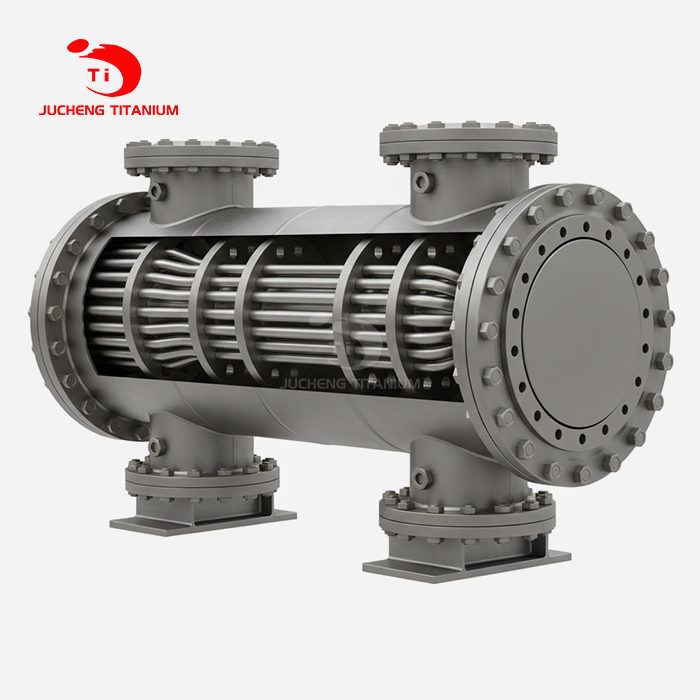
Titanium sheet AMS4900 weighs 45% less than 316L stainless steel and is better at resisting chloride stress corrosion cracking. Titanium heat exchangers work reliably in ocean environments where stainless steel would break after 18 to 36 months. Titanium is three times stronger than aluminum 5083, but it has a 70% higher density. This means that when section thickness needs are determined, titanium saves weight. In places where aluminum needs to be anodized or painted, the material stays stable without protective coatings. This lowers maintenance costs by 60% over a 20-year service period.
ASTM B265 Standards Alignment
AMS4900 says that ASTM B265 is the standard that all titanium and titanium alloy sheet, strip, and plate must meet. Following both standards makes sure that the quality of the material meets the needs of aircraft while also working with other industry purchasing systems. Buyers in many different industries like this dual-standard alignment because it makes it easier to qualify vendors and makes auditing documentation less complicated.

Critical Factors to Verify Before Procurement of AMS4900 Titanium Sheet
For procurement to go well, suppliers' credentials and the authenticity of materials must be carefully checked. Receiving poor-quality materials can cause production delays or fatal failures of parts while they are in use. To keep our clients safe from these risks, we use multi-layered checking methods to verify each titanium sheet AMS4900.
Quality Certifications and Material Test Reports
Mill Test Reports (MTRs) must be included with every shipment. These report the heat number, the chemical analysis results, and the mechanical property test data. For example, ASTM E8 should be used for tension testing, and ASTM E290 should be used for bend testing. ISO 9001:2015 approval means that the provider has written quality management systems in place, but it doesn't mean that they will actually follow the rules. The AS9100 certification specifically addresses the quality needs of aerospace, which gives buyers in the defense and aviation sectors more confidence. Before you place an order, ask for an MTR to make sure the seller can provide the paperwork you need.
Distinguishing Authorized Dealers from Intermediaries
When you work directly with manufacturers or their authorized distributors, you lower the risks of material substitution and fake certifications. Authorized dealers keep up relationships with mills that let them check the authenticity of MTRs through back-channel communications. While intermediaries may offer good prices, they often lack technical support and the ability to see the whole supply chain. Customers should ask for written proof of the supplier's authorization status and make sure they have this information confirmed through the mill's official routes.
Supplier Reputation and Lead Time Considerations
A supplier's track record in processing titanium shows how well they can deliver consistent quality. Companies that have been around for more than 15 years have been through many market cycles and spent money to improve their processes. For mill orders, lead times for AMS4900 sheet are usually between 8 and 16 weeks, but suppliers with a lot of stock can meet urgent needs within 72 hours. Baoji Jucheng Titanium Industry keeps about 3,000 tons of titanium in stock all year, so they can quickly meet customer needs without lowering the quality of the material. This level of inventory is very important when production plans can't work with normal wait times.

How to Efficiently Source AMS4900 Titanium Sheets: Best Practices
Cost control and supply reliability are both important in strategic sourcing. Buyers in the global titanium market have to deal with unstable prices, inconsistent quality, and complicated logistics. Structured frameworks for choosing a vendor reduce these risks when sourcing titanium sheets AMS4900.
Identifying Trusted Global Suppliers
Before giving price quotes for titanium sheet AMS4900, you should look at possible sellers in more than one way. The vendor's manufacturing ability tells you if they can meet your quantity needs as projects grow. Technical skills, such as having in-house testing labs and technical help, show that the provider cares about quality. How close your manufacturing sites are to each other affects freight prices and transport options, but this needs to be balanced against the availability of materials in the area. Suppliers in places like Baoji, China, that have been processing titanium for a long time profit from a concentration of knowledge and supply chain infrastructure that has been built up over many years.
Direct Manufacturer Engagement Benefits
Buying directly from manufacturers cuts out middlemen and gives you access to production schedule information. Customization requests, like specific thickness limits (±0.1mm instead of the standard ±0.2mm), or surface finish needs can be met quickly and easily when there are direct connections. Manufacturers can change their rolling schedules to fit your delivery dates, but distributors can't do that. Instead of salespeople answering technical questions, metallurgists and process engineers do so. This speeds up the problem-solving process during the application development rounds.
Cost Analysis Beyond Purchase Price
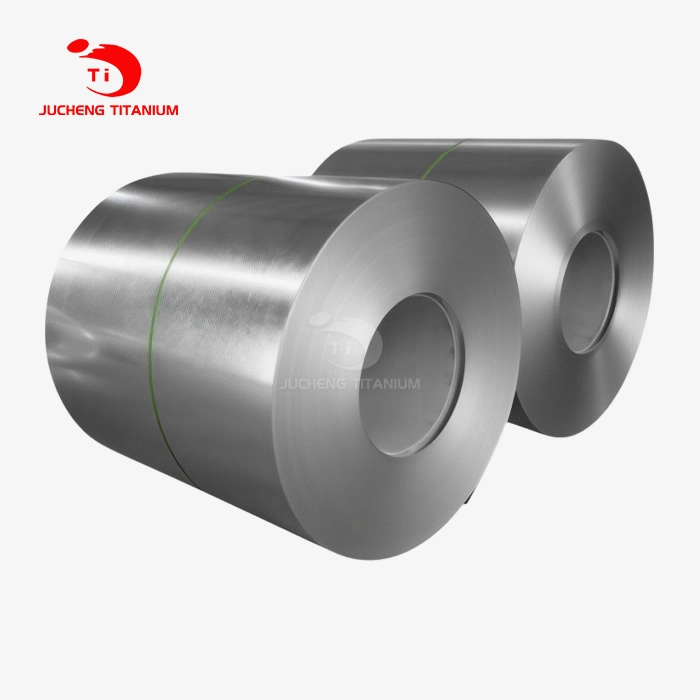
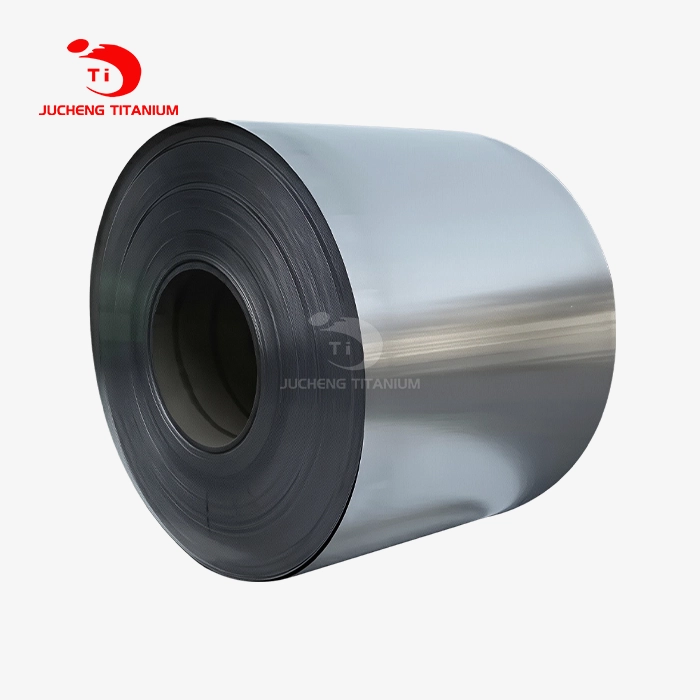
The price of the materials, shipping, import taxes, and quality control costs make up the total cost of purchase. A seller with 8% lower prices but who needs third-party review to prove certifications may end up costing more than a quality supplier with a good reputation. Buying full coils versus cut-to-length sheets has a big impact on the costs of keeping an inventory. Coils are cheaper per kilogram, but they need storage room and tools for handling. Buyers should figure out the landed cost per usable square meter, taking into account the yield losses that happen during production. When material fails qualification testing, which can cost thousands of dollars per hour in aircraft manufacturing settings, there are hidden costs.
Ensuring Long-Term Value: Post-Purchase Handling and Usage Tips
Performance of a material includes more than just meeting specifications; it also includes the right way to handle and store it. Titanium sheet AMS4900 is reactive at high temperatures and easily contaminated, so it needs to be handled in a way that is different from how steel or aluminum is handled.
Correct Storage Environments
Keep titanium sheet in climate-controlled spaces where the relative humidity stays below 65% to keep hydrogen from water from absorbing into the sheet. Use plastic interleaving or special storage racks to keep titanium away from metals that are not the same, like copper alloys and carbon steel. This stops galvanic corrosion and keeps iron from getting into the metal, which could weaken its resistance to rust. Material that is kept outside or near the coast may get discolored on the surface from salt deposits, which needs to be removed with pickling before welding can be done. If you store things correctly, they will last forever, but if you don't, the quality of the surface can go down within six months.

Post-Purchase Surface Treatments
Before fabrication, mill scale and surface contamination are removed by acid pickling with solutions of nitric and hydrofluoric acid (10–20% HNO3 and 1-3 % HF). This process shows a new titanium surface, which makes the weld better and helps the coating stick better when needed. Some uses need glossy finishing that can be achieved by mechanical buffing or electropolishing. This lowers the surface roughness to less than 0.4 Ra and makes it easier to clean parts for food processing equipment or medical devices. When you place an order, you must specify the surface treatments you need so that the supplier delivers the material in the right condition and there are no delays caused by extra processing steps.

Performance Monitoring During Application
Performing regular checks can find signs of wear and tear before they become a problem. Using ultrasonic thickness readings to keep an eye on corrosion rates in real life confirms that the tools will last as long as expected. Visual inspections show discoloration patterns that mean the process needs to be changed because it was overheated or attacked by chemicals. Writing down these observations creates real-world data that can be used to help choose materials and make buying decisions in the future. Suppliers with strong technical support teams, like our engineering team at Jucheng Titanium, work together to figure out what field performance data means and suggest design changes that make the best use of materials.
Conclusion
To buy titanium sheet AMS4900, you need to pay close attention to making sure the approval is correct, making sure the seller is qualified, and figuring out the total cost. When buyers check the validity of the MTR, make sure it meets ASTM B265 standards, and look at the technical skills of the seller, they set themselves up for success. When properly designed and found, the material's unique mix of resistance to corrosion, shapeability, and strength-to-weight ratio makes the investment worth it. Knowing the differences between AMS4900 and higher-strength titanium alloys keeps you from over-specifying, which drives up costs for no reason. When you work with experienced manufacturers who keep a lot of stock and offer expert help, procurement goes from being a transactional activity to a strategic benefit. By following these steps, you can be sure that your titanium sheet will work well for a long time, while also keeping costs down and lowering the risks in the supply chain.
Frequently Asked Questions
1. What distinguishes AMS4900 titanium sheet from other titanium alloys?
AMS4900 refers to commercially pure titanium that has less oxygen than Grade 3 or Grade 4, which makes it easier to shape titanium sheet AMS4900 into complex shapes. The specification allows oxygen levels of up to 0.25%, which results in moderate strength, good for non-structural aerospace uses and chemical equipment where resistance to corrosion is more important than maximum tensile strength.
2. How does AMS4900 perform under high-temperature conditions?
Material that meets AMS4900 keeps its mechanical properties up to 315°C without changing, but its strength drops by about 15% compared to values at room temperature. If the right cooling steps are taken after being exposed to 400°C for a short time during welding or forming, the properties will not be permanently changed.
3. What certifications should reputable suppliers provide?
Genuine suppliers give Mill Test Reports that are certified to EN 10204 3.1 standards. These reports show the chemical composition from spectroscopic analysis and the mechanical properties from real test specimens. ISO 9001 for quality management and AS9100 for aerospace uses are two more certifications that show structured process controls that go beyond individual material tests.
Partner with Jucheng Titanium for Reliable AMS4900 Material Supply
With over 20 years of experience handling titanium sheets and 3,000 tons of approved stock, Baoji Jucheng Titanium Industry Co., Ltd. is ready to meet your needs. As a producer and seller of titanium sheet AMS4900 that is recognized as a "little giant" and a National High-Tech Enterprise, we provide material that meets ASTM B265 and AMS 4911 standards and comes with full paperwork that shows how it was made. Our hot-rolled sheets come in a range of thicknesses, from 4 mm to 80 mm, and widths, from 500 mm to 2500 mm. They can be tempered or have an acid-pickled finish on the outside. You can talk to our expert team at s4@juchengti.com about your needs and get full quotes within 24 hours.

References
1. ASM International. (2015). Titanium: A Technical Guide, Second Edition. Materials Park, OH: ASM International.
2. Donachie, M. J. (2000). Titanium: A Technical Guide. Materials Park, OH: ASM International.
3. Boyer, R., Welsch, G., & Collings, E. W. (1994). Materials Properties Handbook: Titanium Alloys. Materials Park, OH: ASM International.
4. Lutjering, G., & Williams, J. C. (2007). Engineering Materials and Processes: Titanium, Second Edition. Berlin: Springer-Verlag.
5. Schutz, R. W., & Watkins, H. B. (1998). Recent developments in titanium alloy application in the energy industry. Materials Science and Engineering: A, 243(1-2), 305-315.
6. Peters, M., Kumpfert, J., Ward, C. H., & Leyens, C. (2003). Titanium alloys for aerospace applications. Advanced Engineering Materials, 5(6), 419-427.