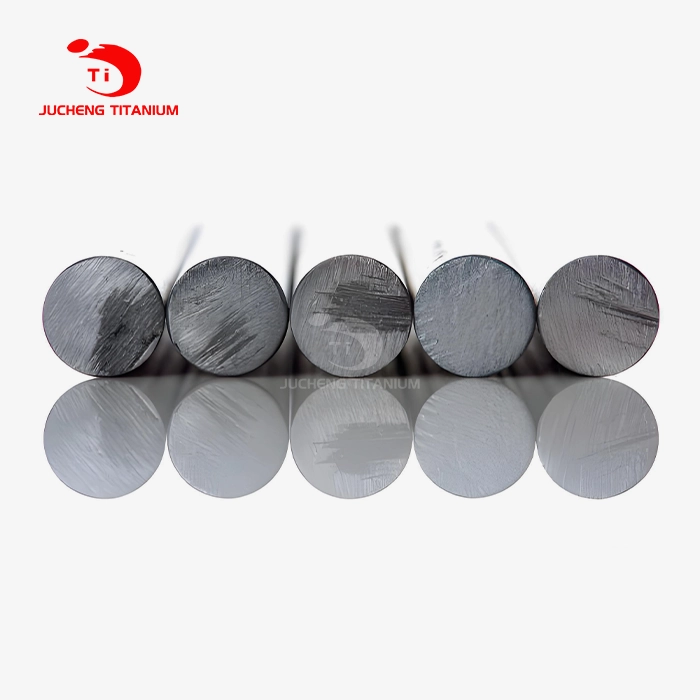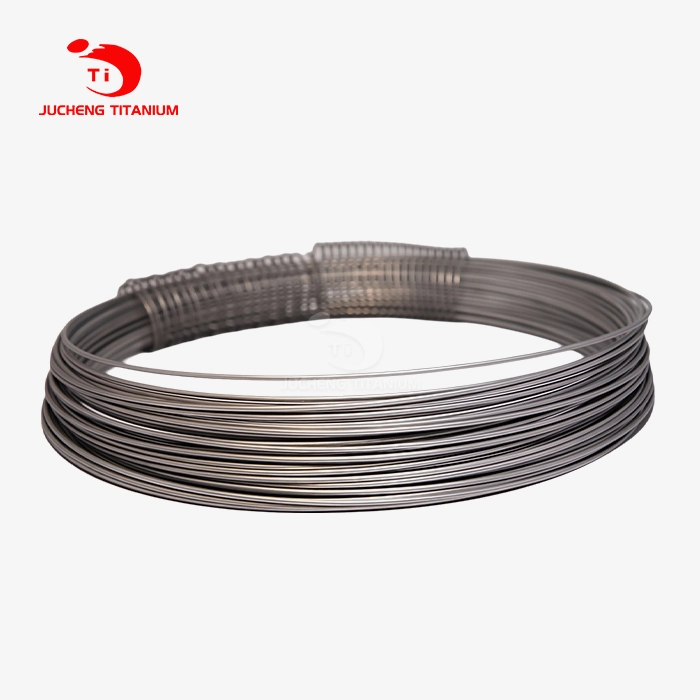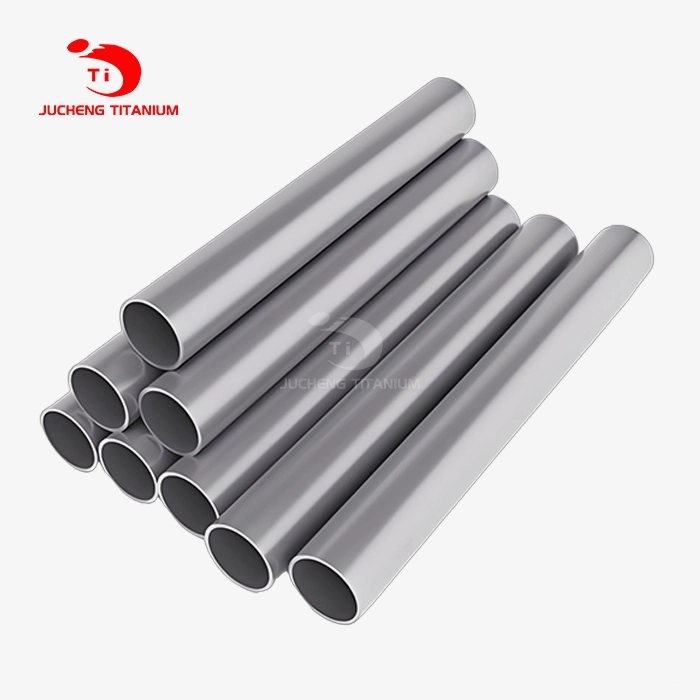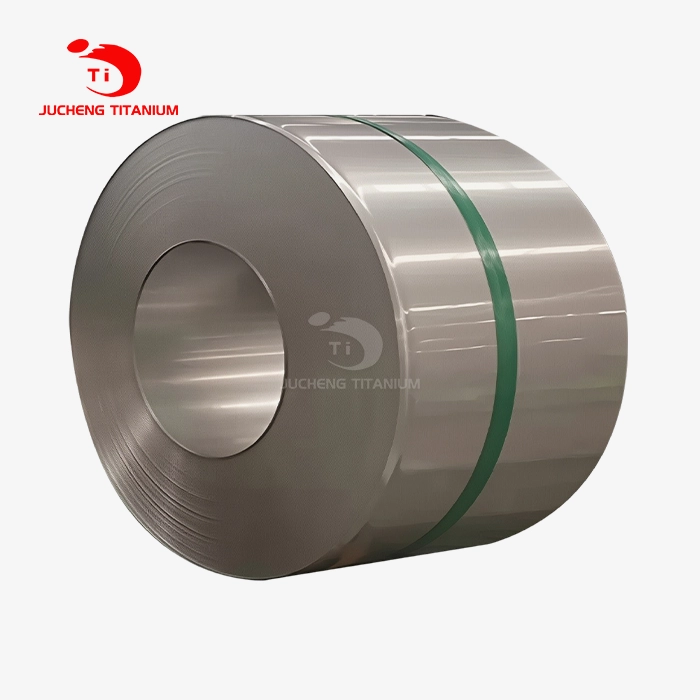

Why Is Gr12 Titanium Plate Used in Chemical Processing Equipment?
Gr12 titanium plate stands out in chemical processing equipment because it delivers exceptional corrosion resistance at a more accessible price point than palladium-alloyed grades. Chemically formulated as Ti-0.3Mo-0.8Ni (UNS R53400), this near-alpha titanium alloy incorporates 0.3% Molybdenum and 0.8% Nickel, which together enhance resistance to crevice corrosion and pitting in high-temperature chloride and reducing acid environments. For procurement managers evaluating material longevity, cost efficiency, and performance under aggressive chemical exposure, Gr12 represents the optimal balance between the limitations of commercially pure titanium and the prohibitive costs of premium alloy alternatives.


Understanding Gr12 Titanium Plate – Properties and Composition
Chemical Composition and Alloy Design
The selective alloying of Gr12 titanium plate solves a problem that has been around for a long time in chemical processing: stopping localized rust failures without spending too much on materials. Adding Molybdenum and Nickel to normal Grade 2 titanium can make it vulnerable to crack attacks in hot brine or settings with changing pH levels. But adding Molybdenum and Nickel makes a passive oxide layer that stays stable even when flow stops. This mixture meets the requirements of ASTM B265 and ASME SB265, which is important for equipment makers and engineering companies because it ensures traceability and certification compliance.

At Jucheng Titanium, we follow strict quality standards when we make things. Controlled annealing, leveling, and pickling are done on hot-rolled plates to make sure that the mechanical properties are the same across the whole thickness of the material. Each batch goes through full chemical and mechanical testing, and certificates are given to meet the quality assurance needs of the customer.

Mechanical and Physical Performance
Up to about 315°C (600°F), Gr12 titanium plate keeps its useful structural strength. This means it can be used in heat exchangers and pressure tanks that work in this temperature range. The material is very good at resisting wear when loaded and unloaded many times. This is especially important for equipment that has to deal with changes in pressure or temperature when it starts up and stops.

The plate can be made to fit the shape of certain pieces of equipment because its thickness can be changed from 4mm to 80mm and its width can be increased up to 2500mm. The annealed state makes the metal more flexible for shaping while keeping its corrosion-resistant qualities. Surface treatments like machined, polished, or acid-pickled finishes make sure that the parts can be used in a range of manufacturing conditions and end application settings.
Processing Methods and Quality Assurance
The steps of rolling, heating, leveling, cleaning, and finishing the surface make sure that the dimensions are correct and the metal is consistent. The parameters of the heat treatment are carefully managed to get the best grain structure and mechanical properties. This care in handling details directly affects how well things work in the field, making it less likely that equipment will break down early or that repair will have to be shut down without warning.

At Jucheng Titanium, we keep about 3,000 tons of titanium in stock all year long, in a range of types and specs. Our large inventory lets us deliver quickly on important projects while our technical R&D team works with customers to create custom solutions for unique uses.

Core Advantages of Gr12 Titanium Plate in Chemical Processing
To understand why engineers and procurement professionals choose this alloy, we need to look at how well it works in real-life chemical processing situations.
Superior Corrosion Resistance in Aggressive Media
The material works great in places where commercially pure titanium grades are weak:
- Hot Chloride Environments: Shell and tube heat exchangers that deal with concentrated brine benefit from Gr12 titanium plate's resistance to crevice corrosion in tube-to-tubesheet joints. In lower grades, stagnant zones can start localized attack.
- Reducing Acid Applications: When this alloy is used to build hydrometallurgical autoclaves that process mineral slurries with reducing acids, the autoclaves last longer. Adding Molybdenum and Nickel stops the hydrogen embrittlement that can happen to pure titanium in these conditions and make it weak.
- Fluctuating pH Conditions: Chemical reactors that go through process problems or changes in pH don't lose their integrity and don't get pitting or stress corrosion cracking, which would mean expensive equipment replacement.
These benefits for rust have a direct effect on the total cost of ownership. Equipment made from Gr12 titanium plate lasts longer between repair visits, has less unexpected downtime, and doesn't have the chain failures that happen when corrosion products get into process streams.

Mechanical Strength and Thermal Stability
In addition to being resistant to corrosion, the alloy makes the structure reliable when it is under mechanical stress. This material can be used to make pressure vessels and reactor shells that can handle high internal pressures and keep their shape through thermal cycles. The fatigue strength of the material makes sure that weld joints and made parts stay strong even after being loaded over and over again.
With an operating temperature range of up to 315°C, it can handle most chemical working conditions without the need for complex cooling systems or changes to the process. This temperature range includes distillation columns, evaporators, and reaction vessels that are common in petrochemical and specialty chemical plants.

Comparing Gr12 Titanium Plate with Other Common Materials
Grade 12 versus Grade 7 Titanium
Palladium is added to Grade 7 titanium, which makes it slightly more resistant to rusting in acids with very low pH. The price is much higher than Gr12 titanium plate—usually 30 to 40 percent higher—but the performance is better. Grade 12 is a cheaper option for most industrial uses that will be exposed to hot brine, mild acids, or chlorides. It is strong enough to prevent crevice rust. Because of this cost-benefit analysis, Gr12 is the best choice for buying teams that are in charge of capital equipment funds.
Grade 12 versus Commercially Pure Grade 2
Grade 2 titanium works well in places where oxygen is present and where rust is not too bad. It doesn't do a good job of reducing environments, high temperatures with chlorides, and crack shapes that make localized attack easier. These types of failure can be stopped by upgrading to Grade 12, which doesn't come with the full price hike that comes with palladium-alloyed grades. The investment pays off because the equipment lasts longer and costs less to maintain.
Comparison with Stainless Steel Alternatives
316L and other types of stainless steel metals have lower starting material costs, but they need to be replaced more often when they are used in harsh chemical environments. In many process environments where titanium can work forever, chloride pitting and stress corrosion cracking shorten the life of stainless steel. When you add up the costs of installation, downtime for repair, and removal over the course of a product's life, titanium alloys often end up being cheaper, even tho they cost more at first.
Equipment makers that work with chemical processes choose Gr12 titanium plate as the standard material for parts that need to be resistant to rust. This trend is based on years of experience in the field, which shows that titanium's performance reliability makes it a good choice even for low-cost projects.

Procurement and Supply Considerations for Gr12 Titanium Plate
Selecting Qualified Suppliers
When looking for titanium materials, you need to make sure that the manufacturer's qualifications and quality processes are checked. Look for suppliers that have ISO certifications, ASME authorization, and the ability to do a wide range of tests. Material certifications should include full chemical analyzes, mechanical test results, and proof that the provided Gr12 titanium plate can be traced back to the production records.
Jucheng Titanium has 41 utility model patents and 4 idea patents that cover all of our products. We have over 20 years of experience in the titanium business and are proud to be a National High-Tech company and a national-level specialized "little giant" company. Working with research groups like the Northwest Institute for Nonferrous Metal Research makes sure that our processing methods use the newest metalworking discoveries.
Specification and Customization Options
Standard plate sizes range from 4 mm to 80 mm thick, 950 mm to 2500 mm wide, and up to 10,000 mm long. These sizes can fit most types of equipment. Custom sizes are available for unique uses that need shapes that aren't normal. Depending on how the product will be made and what it will be used for, procurement teams should say whether the surface needs to be cleaned, cut, or acid pickled.
Minimum order numbers depend on the standard, but Jucheng Titanium has a lot of stock, so we can handle both big production runs and smaller prototype quantities. Our sales team can help you match the right material specifications to the right application needs, so you get the best performance without specifying too many grades or sizes.
Pricing Structure and Delivery Timelines
Material costs depend on a number of things, such as the type of alloy used, the thickness of the plate, the required surface finish, and the size of the order. Custom measurements make fabrication more difficult and cost more, but they often lower the costs of milling later on. Talking about prices openly early on in the buying process helps make sure that the materials chosen are in line with the budget.
Delivery times rely on how complicated the specifications are and how big the order is. Our 120,000-square-meter plant ships stock sizes fast, but custom processing takes longer because of the rolling and finishing steps that need to be done ahead of time. We work closely with clients to understand project timelines and, when possible, put urgent needs at the top of the list.
Practical Application and Handling of Gr12 Titanium Plate in Chemical Equipment
Fabrication Best Practices
To machine titanium, you need cutting tools that are very sharp, the right speeds and feeds, and enough coolant to keep the work from getting too hard. When operators follow established titanium machining protocols, standard machining equipment works well with the material. Cleaning the surface before welding should get rid of any dirt or debris and make sure the joint geometry is clean.
Welding Grade 2 titanium with either TIG or MIG methods gives you more options for how to make the part, but matching ErTi-12 filler wire keeps the best corrosion protection in the weld zone. When protective gases are properly covered, they keep the air from getting contaminated, which would weaken the joint. After the bond, the structure is checked, and any stress is relieved.
Surface Treatment and Finishing
As a result of the manufacturing process, hot-rolled Gr12 titanium plates often have a gray oxide scale on them. Descaling with bead blasting and pickling makes the surface clean enough for inspection and manufacturing. Customers should ask for a surface state of "Descaled and Pickled" to make sure it is as resistant to rust as possible and make it easier to look at.

Additional surface treatments, such as cleaning, improve the look of equipment areas that will be seen or that need smooth finishes to stop fouling. The surface treatment that is chosen should match the equipment's service needs and washing instructions.
Maintenance and Inspection Protocols
Titanium is naturally resistant to rust, so it needs less upkeep than other materials. Corrosion monitoring is not a big part of routine inspections; they focus on mechanical parts. Non-destructive testing methods check the integrity of the weld and find any mechanical damage caused by operational stresses.
Proper maintenance makes sure that safety rules are followed and extends the life of equipment. Our technical support team tells you how often to inspect and test things in the right way for each operating condition. This partnership approach helps customers get the most out of the equipment they buy while still following the rules.
Conclusion
Gr12 titanium plate solves important problems in chemical processing equipment by being very resistant to corrosion from chlorides, reducing acids, and high temperatures that weaken other materials. The strategic Molybdenum-Nickel alloying gives performance similar to palladium-bearing grades at a much lower cost. This makes it the obvious choice for procurement professionals who need to balance technical needs with budget realities. As a standard solution for demanding chemical service environments, this alloy is compatible with standard fabrication methods, comes in a wide range of sizes that meet ASTM B265 standards, and has been used in heat exchangers, pressure vessels, and reactors with great success.
Frequently Asked Questions
1. How does Gr12 titanium plate compare to Grade 7 in cost versus performance?
Because it doesn't use the more expensive Palladium, Grade 12 costs about 30 to 40 percent less than Grade 7. There is a small advantage to Grade 7 in very low pH acids (pH 0-2), but Grade 12 is the better value engineering choice because it can handle most hot brine and mild acid applications without cracking.
2. Can Gr12 titanium plate be welded to Grade 2 titanium?
Yes, Gr12 titanium plate can be safely welded to Grade 2 using either TIG or MIG. It is best to use matched ErTi-12 filler wire or higher-alloyed filler material in the weld zone to keep the corrosion resistance strong. Correct shielding stops contamination and protects the integrity of the joint.
3. What is the highest working temperature for Gr12 titanium plate?
The material keeps structural strength and meets ASME Code allowables up to approximately 315°C (600°F). Beyond this temperature, oxidation rates accelerate and creep strength diminishes, limiting practical application range.
4. Is heavy oxide scale common on Gr12 titanium plate?
Hot-rolled plates usually grow grey oxide scale during manufacturing. For finished goods, this scale should be removed through bead blasting and pickling to ensure clean surfaces for inspection and best corrosion resistance. Specify "Descaled and Pickled" surface state when ordering.
Partner with a Trusted Gr12 Titanium Plate Supplier
Baoji Jucheng Titanium Industry Co., Ltd. has been making chemical manufacturing tools for more than 20 years and has a lot of experience in this field. As a producer of Gr12 titanium plates with a large inventory and fast delivery, we get rid of the supply chain risks that cause important installations to be delayed. Our engineering team works with your purchasing and technical staff to find the best material solutions. They do this by giving you detailed technical datasheets, full certification paperwork, and fabrication services that are specifically designed to meet the needs of your equipment. Contact us at s4@juchengti.com to talk about your specific application needs and get expert advice based on our track record of installing over 500 pieces of titanium equipment every year. Let our quality-approved materials and quick service help your business succeed.

References
1. Boyer, R., Welsch, G., & Collings, E.W. (1994). Materials Properties Handbook: Titanium Alloys. ASM International, Materials Park, Ohio.
2. Schutz, R.W. & Thomas, D.E. (1987). Corrosion of Titanium and Titanium Alloys in Chemical Processing. In Uhlig's Corrosion Handbook, Second Edition, John Wiley & Sons.
3. American Society for Testing and Materials. (2020). ASTM B265-20a: Standard Specification for Titanium and Titanium Alloy Strip, Sheet, and Plate. ASTM International, West Conshohocken, Pennsylvania.
4. American Society of Mechanical Engineers. (2019). ASME SB-265: Specification for Titanium and Titanium Alloy Strip, Sheet, and Plate. ASME Boiler and Pressure Vessel Code Section II Part B.
5. Donachie, M.J. (2000). Titanium: A Technical Guide, Second Edition. ASM International, Materials Park, Ohio.
6. Cotton, J.D. (1991). Selecting Titanium Alloys for Chemical Process Equipment. Chemical Engineering Progress, American Institute of Chemical Engineers, Volume 87, Issue 9.