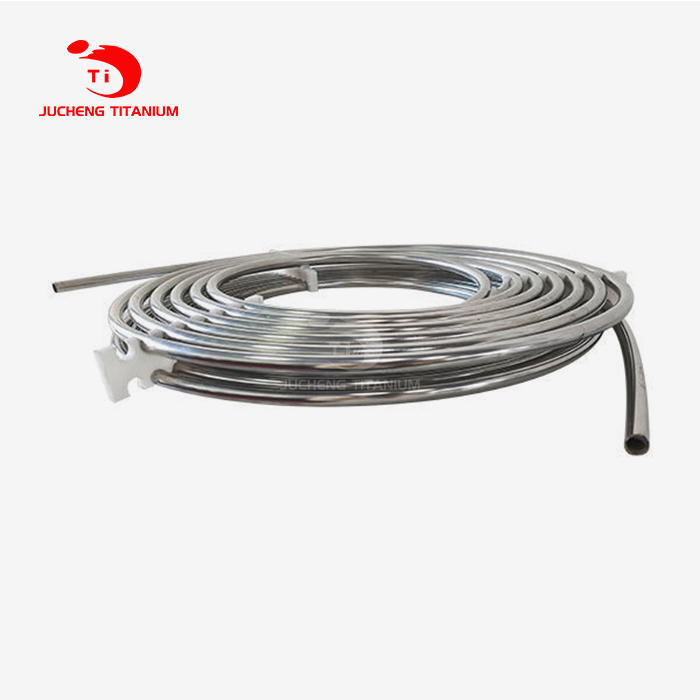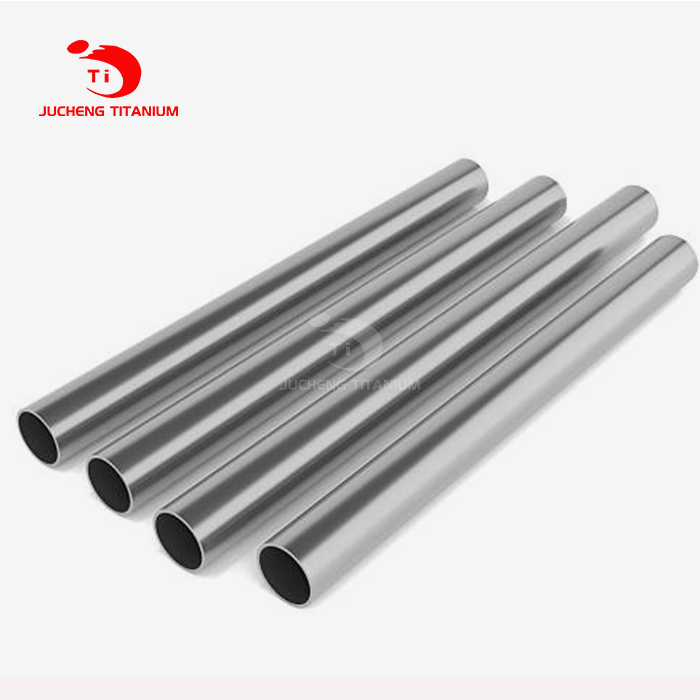

Best Gr2 Titanium Tube for Industrial Corrosion Protection
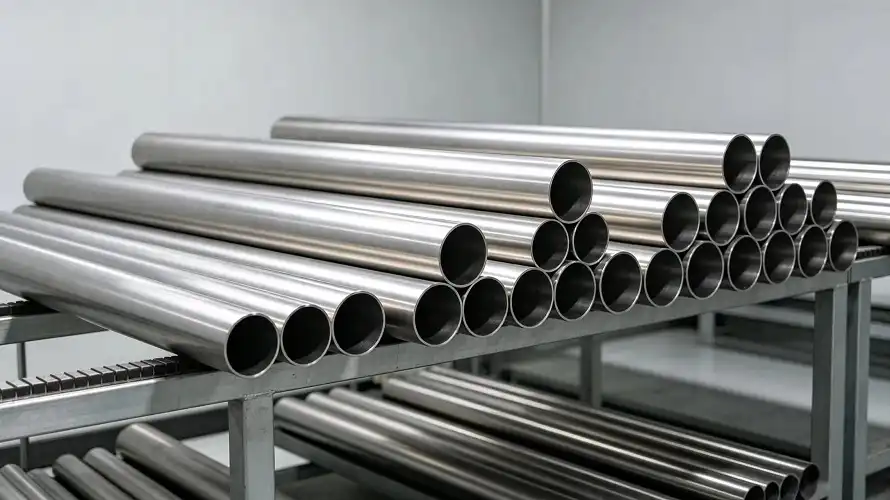
Gr2 Titanium Tube is the best material for corrosive industrial plumbing systems because of its corrosion resistance, mechanical strength, and longevity. This commercially pure titanium grade provides superior protection in harsh chemical, marine, and petrochemical environments where traditional materials decay fast. Our seamless Gr2 Titanium Tubes meet ASTM B337, B338, and ASME SB338 requirements and perform well in situations where material failure might have dire operational and financial ramifications for procurement managers and engineering teams.
Introduction
Materials must withstand chemical assaults, temperature changes, and mechanical stress without compromising system integrity in industrial settings. The corrosion-resistant tube grade chosen for chemical reactor, heat exchanger, or desalination plant pipe systems is one of the most important decisions procurement experts make. Poor material selection causes frequent maintenance shutdowns, expensive replacement cycles, and safety risks that no operations manager wants.
Two decades of servicing North American chemical processing facilities, aerospace component makers, and marine equipment integrators have taught us these issues. Our premium Gr2 Titanium Tube satisfies the strict requirements of sectors where corrosion prevention is essential. This detailed guide explains why Gr2 Titanium Tubes are the best industrial corrosion protection option, letting you make educated procurement decisions based on technical facts and real-world performance.
Understanding Gr2 Titanium Tube and Its Superior Corrosion Resistance
Chemical Composition and Material Characteristics
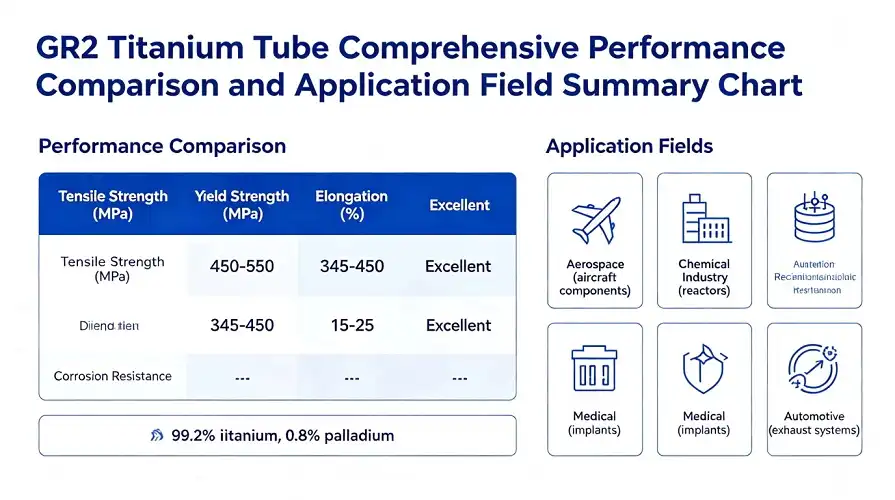
Gr2 Titanium Tubes are made from commercially pure titanium with closely controlled impurities that affect corrosion performance. The oxygen level is usually 0.18% to 0.25%, enhancing strength and formability. Gr2 Titanium Tube has 20-30% better tensile strength than Gr1 while retaining titanium's corrosion resistance. Iron is kept below 0.30% and hydrogen below 0.015% to prevent embrittlement that might compromise structural integrity in severe service circumstances.
An instantaneous oxide layer develops when exposed to oxygen, generating a self-healing barrier that regenerates after mechanical injury. Gr2 Titanium Tube can tolerate sulfuric acid, hydrochloric acid, nitric acid, and chloride conditions that rapidly erode stainless steel due to its passive film's stability spanning pH ranges 1 to 14. This naturally occurring oxide layer protects the tube from corrosion throughout its life, unlike protective coatings that fade away.
Manufacturing Process and Quality Standards
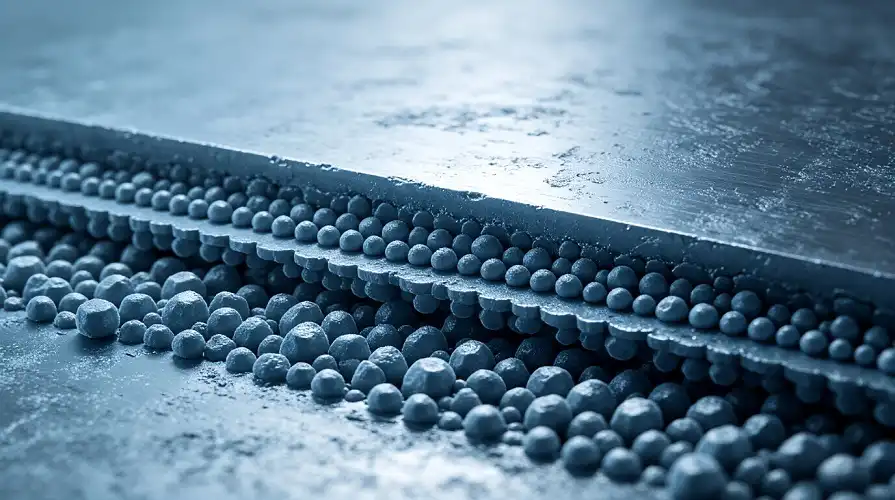
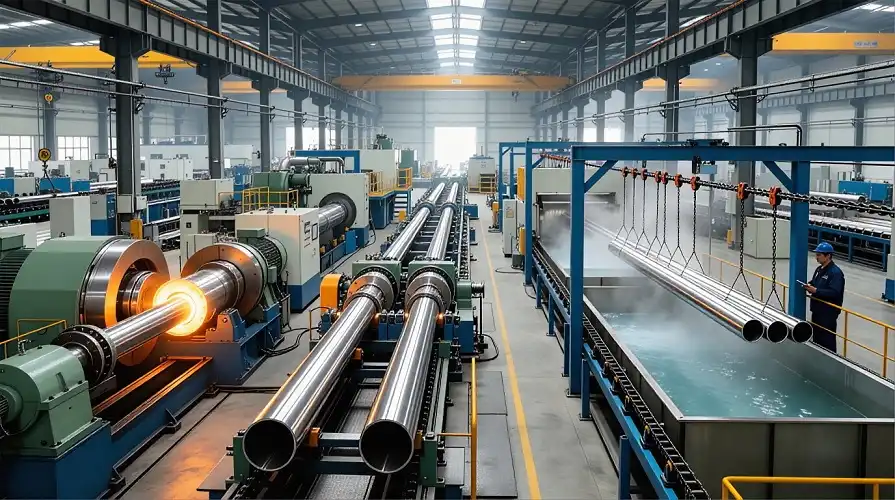
Our factory manufactures seamless Gr2 Titanium Tubes with accurate extrusion, piercing, and cold rolling for dimensional correctness and metallurgical uniformity. Annealing heat treatment optimizes mechanical qualities and relieves internal tensions, followed by acid pickling to eliminate surface contaminants in each production batch. After straightening, the tubes are polished, machined, or pickled to meet application and client standards.
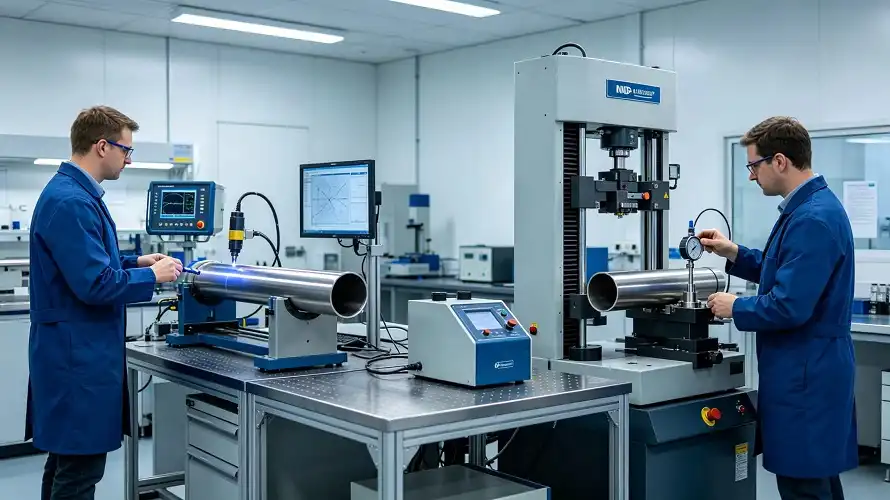
We strictly follow international standards such as ASTM B337 for seamless and welded Gr2 Titanium Tubes, B338 for condenser and heat exchanger applications, B861 for welded titanium pipes, and AMS 4942 for aerospace-grade needs. Chemical composition analysis utilizing OES and IGF testing to ensure oxygen and hydrogen levels is part of our quality management system. For heavy-gauge pressure vessel tubes, mechanical testing includes tensile strength verification, guided bend tests, and ultrasonic inspection. This thorough quality structure ensures every tube leaving our plant meets or surpasses procurement specialists' certification standards in regulated sectors.
Mechanical Properties and Performance Parameters
Gr2 Titanium Tubes have tensile strength of 345–483 MPa and yield strength of 275 MPa, making them resilient for pressure-containing applications. With elongation values over 20%, the material is ductile enough for cold forming and field adjustments without cracking. Gr2 Titanium Tube, 60% lighter than stainless steel at 4.51 g/cm³, minimizes structural stresses in pipe systems while preserving or improving mechanical performance.
Gr2 Titanium Tube can operate to 315°C (600°F) under ordinary circumstances, but greater temperatures require examination to prevent oxygen diffusion that generates brittle alpha case layers on the tube surface. The material resists corrosion at both ambient and extreme temperatures, making it appropriate for chemical processing applications where traditional pipe materials degrade faster.
Comparing Gr2 Titanium Tube with Alternative Materials
Advantages Over Stainless Steel Tubing
Chemical engineers argue about whether premium stainless steel grades can equal Gr2 Titanium Tube's capabilities at a cheaper cost. Austenitic stainless steels like 316L withstand pitting and crevice corrosion in mild conditions but rapidly pit and crevice in chloride-containing media over 60°C. In seawater cooling systems and chlor-alkali plants utilizing stainless steel, chloride stress corrosion cracking has caused catastrophic equipment failures. Gr2 Titanium Tube is immune.
Gr2 Titanium Tube's weight advantage reduces installation costs for large-diameter pipe systems and offshore platforms with structural load constraints. Equipment designers can choose smaller Gr2 Titanium Tube wall sections with equal pressure ratings, saving weight and material costs. Gr2 Titanium Tube doesn't need cathodic protection systems, inhibitor injection, or regular inspections like stainless steel; in severe usage, maintenance intervals are much longer. After accounting for replacement frequency, downtime, and maintenance labor, Gr2 Titanium Tube is often cheaper over a 20-year asset lifespan despite higher initial material prices.
Comparison with Other Titanium Grades
The distinctions between commercially pure titanium grades assist procurement teams in choosing materials for specific applications. Gr1 Titanium Tube is suited for thin-walled tubes in less demanding structural applications because of its maximum formability, marginally improved corrosion resistance, and lower strength. Gr2 Titanium Tube is ideal for most industrial applications since it is strong enough for pressure containment and has excellent corrosion resistance and weldability for fabrication and field installation.
Aluminum and vanadium alloying provide Gr5 Titanium Alloy with more strength, but it loses corrosion resistance in saltwater and reducing acid conditions, where commercially pure grades thrive. Hardness complicates tube formation and raises machining costs, making the alloy unsuitable for corrosion protection above structural strength. Gr7 and Gr12 Titanium include palladium additives that improve corrosion resistance in certain reducing conditions, justifying premium cost only in particularly aggressive chemical services above Gr2 Titanium Tube's capacity. Gr2 Titanium Tube satisfies performance criteria without alloy surcharges and is the most cost-effective grade for most industrial corrosion protection applications.
Performance Against Aluminum and Nickel Alloys
Applications needing maximum weight reduction and mild corrosion resistance choose aluminum tubing. Aluminum alloys like 6061-T6 have lower density and material costs but are susceptible to alkaline conditions and chloride solutions, while Gr2 Titanium Tube flourishes. Aluminum is weak and limited to low-pressure applications, whereas Gr2 Titanium Tubes can safely handle greater system pressures in compact pipework.
Nickel-based superalloys like Hastelloy C-276 can match or exceed Gr2 Titanium Tube's corrosion resistance in hostile chemical conditions. These unusual alloys cost two to three times more than pure titanium yet are equal in weight. Complex nickel alloy fabrication and welding requirements raise installation costs and limit competent contractor availability. Gr2 Titanium Tubes provide equivalent corrosion protection at a cheaper project cost for most chemical processing, marine, and industrial applications where material selection affects capital budget approvals.
Applications and Benefits of Using Gr2 Titanium Tubes in Industry
Chemical Processing and Petrochemical Equipment
For reactor cooling coils, distillation column internals, and heat exchanger tube bundles exposed to corrosive process streams, chemical plant engineers require corrosion-resistant Gr2 Titanium Tube. Wet chlorine gas and hypochlorite solutions rapidly attack traditional materials in chlor-alkali production facilities, but our Gr2 Titanium Tubes work without maintenance, preventing costly production disruptions. Gr2 Titanium Tube is essential for concentrated sodium chloride brine service and saltwater cooling in coastal chemical complexes due to its stress corrosion cracking resistance in hot chloride conditions.
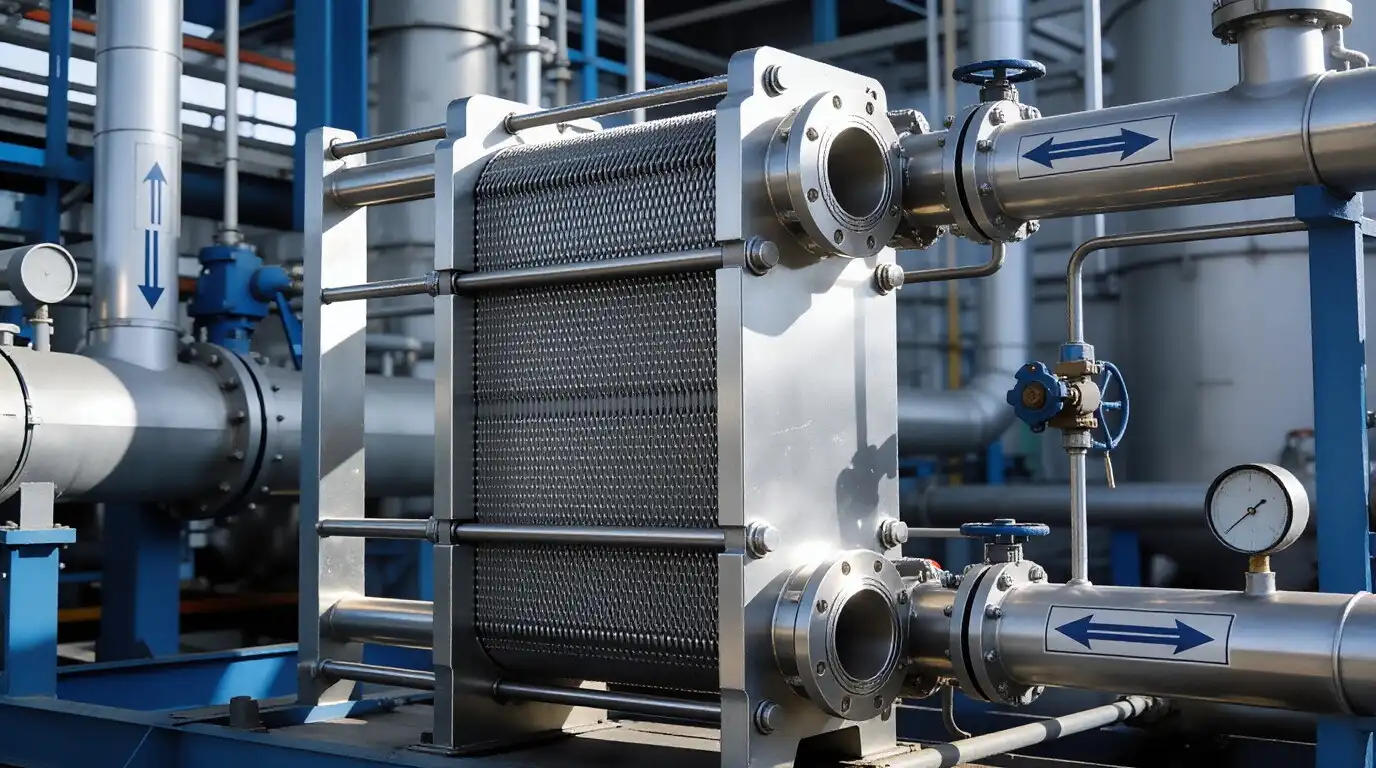
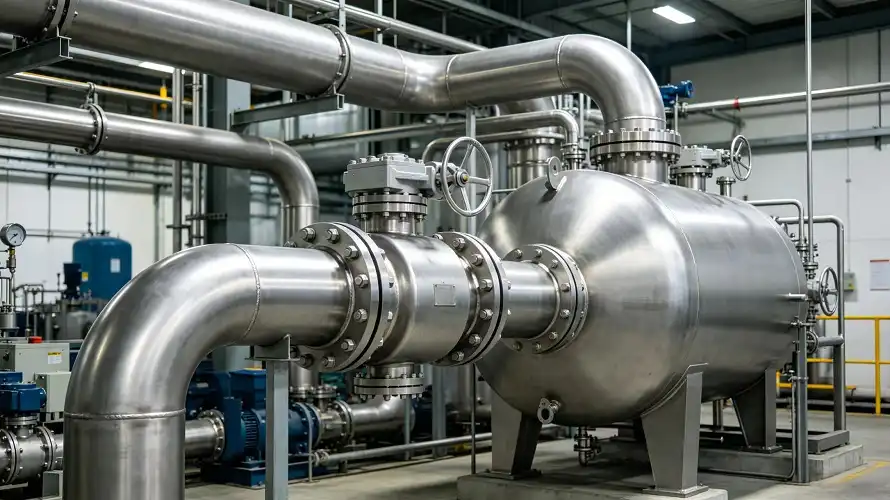
The material works well in organic acid settings like acetic, formic, and oxalic acid manufacturing facilities, where stainless steel corrodes too quickly. Gr2 Titanium Tube in sterile process systems in pharmaceutical factories can be contaminated by corroding equipment, compromising product purity and regulatory compliance. Our experience delivering Gr2 Titanium Tube equipment to these demanding applications shows the material's dependability in services where equipment failure causes environmental dangers, product quality concerns, and regulatory breaches beyond maintenance costs.
Marine and Desalination Systems
Chloride ions, dissolved oxygen, living organisms, and temperature changes make seawater one of the most corrosive natural environments for industrial equipment. Gr2 Titanium Tubes have transformed saltwater cooling systems for power plants and offshore platforms, lasting decades without fouling, corrosion, or tube replacements like copper-nickel and stainless steel. The material resists marine creature adhesion, reducing biofouling that affects heat transfer efficiency and requires chemical cleaning.
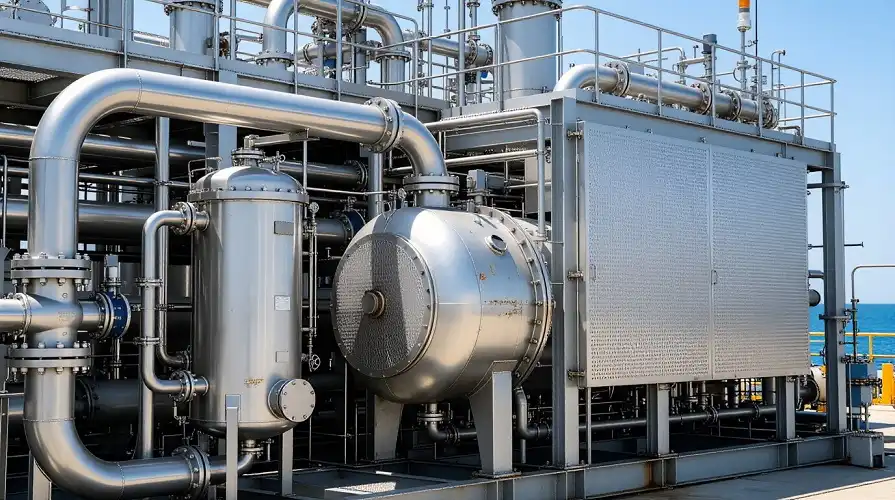
Gr2 Titanium Tube is used in multi-stage flash evaporators and reverse osmosis high-pressure pipe systems in desalination facilities globally because brine promotes corrosion. Lightweight floating desalination barges and shipboard freshwater generating systems require less structural support. For subsurface heat exchangers and surface vessel seawater systems, naval architects choose Gr2 Titanium Tube for dependability and low maintenance. These maritime applications demonstrate Gr2 Titanium Tube's performance in harsh service conditions and lifecycle cost advantages that transcend initial material costs.
Aerospace and High-Performance Applications
Aerospace component producers need materials with high strength-to-weight ratios, temperature extremes, and corrosive hydraulic fluids. Our seamless Gr2 Titanium Tubes save weight in aircraft hydraulic, fuel, and environmental control systems, improving fuel economy and payload. The material's fatigue resistance assures durability under cyclic loading circumstances that would break aluminum alternatives, fulfilling aircraft certification bodies' strict safety criteria.
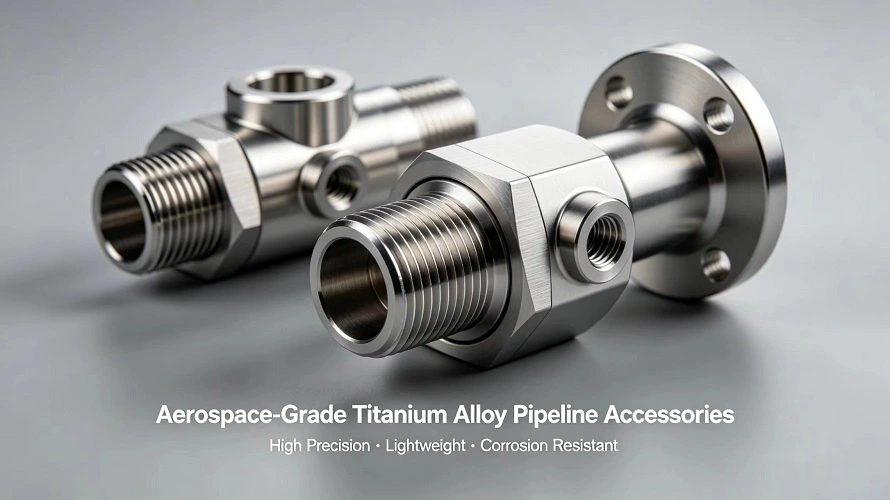
Defense contractors use Gr2 Titanium Tube in missile guidance systems, radar cooling circuits, and naval propulsion equipment for corrosion prevention and weight minimization. The material's non-magnetic qualities shield delicate electronics and detectors. These high-performance applications show that Gr2 Titanium Tubes exceed the strictest technical criteria and safeguard equipment from corrosion in tough working situations.
How to Procure High-Quality Gr2 Titanium Tubes for Your Business
Supplier Selection and Quality Verification
Gr2 Titanium Tube vendors must be assessed for production capabilities, quality management systems, and industry experience that affect product consistency. Procurement teams should check vendors' ISO 9001 quality management, ASME pressure vessel permission, and ABS or DNV maritime clearances. Request chemical analysis, mechanical testing, and non-destructive inspection documents to verify standards compliance.
Our material traceability solutions follow manufacturing processes from raw material receipt to final product delivery, giving procurement experts certification paperwork for regulated sectors. We regularly test production processes and quality measures with third parties and welcome customer inspections. This openness gives procurement managers confidence when specifying crucial commodities for long-term industrial projects where supplier reliability influences project success.
Customization Options and Technical Support
Standard Gr2 Titanium Tube diameters from OD3 to OD219 mm with wall thickness from 0.5 to 20 mm suit most industrial applications, refit projects, and specialized equipment require unique sizes. Our engineering team advises on Gr2 Titanium Tube specifications, wall thickness for pressure ratings, surface finishes for cleaning or heat transfer, and material grade selection when service conditions approach Gr2 Titanium Tube's performance limits.
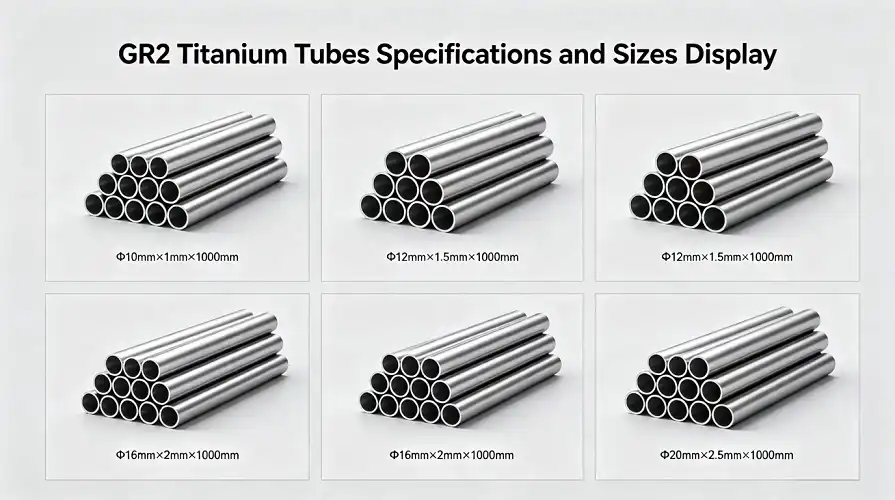
We stock roughly 3,000 tons of typical sizes for fast delivery on urgent projects and planned maintenance outages when lead time affects production schedules. Flexible minimum order quantities accommodate major capital projects and minor replacement part needs. Our facility's custom cutting, end preparation, and preliminary quality inspection save installation costs and speed field construction. This complete service strategy distinguishes material suppliers from customer-focused production partners.
Pricing Considerations and Value Assessment
Final Gr2 Titanium Tube pricing depends on raw material costs, production complexity, quality verification requirements, and order volume. Unit pricing exceeds standard materials; economic analysis must account for installation weight reductions, prolonged service life, reduced maintenance cycles, and avoided downtime expenses to calculate the total cost of ownership. Chemical plant managers who only assess initial material prices sometimes ignore replacement costs and output losses when lower-cost options break prematurely in corrosive operation.
For realistic supplier pricing comparisons, request full quotations that describe standards, certification documents, testing processes, and delivery terms. Ensure supplier financial stability and production capacity to meet long-term needs and honor multi-year supply agreements. We offer upfront pricing and collaborate with procurement teams to optimize requirements to give necessary performance at the greatest value because our long-term success depends on customer happiness and repeat business from industrial clients.
Why Our Gr2 Titanium Tubes Are the Preferred Choice for Industrial Corrosion Protection?
Manufacturing Excellence and Quality Assurance
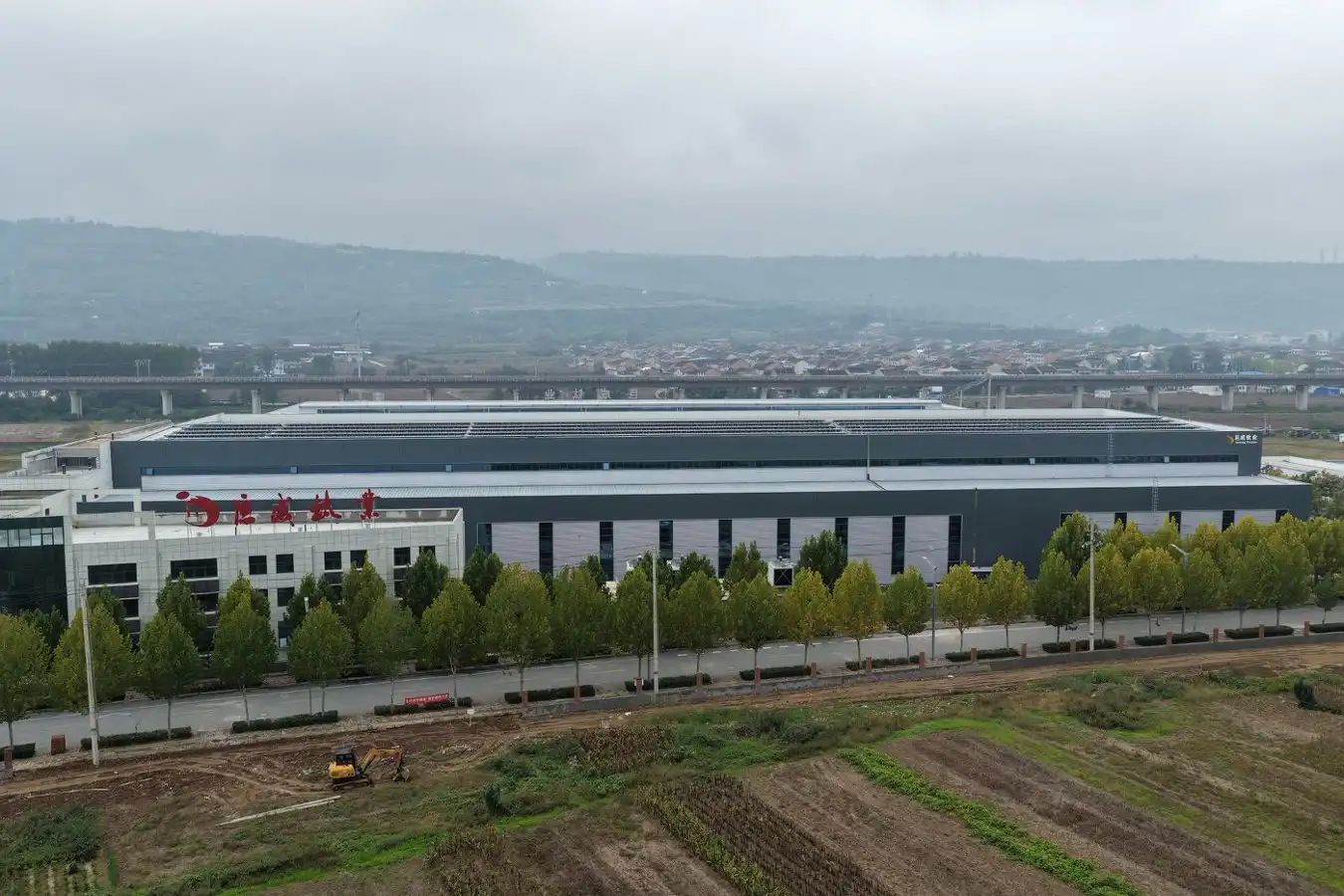
Baoji Jucheng Titanium Industry Co., Ltd. leverages our position in China's Titanium Valley—the world's titanium production and processing center—to make every Gr2 Titanium Tube with over 20 years of specialist titanium manufacturing experience. Our 120,000-square-meter production facility unites raw material processing, tube formation, heat treatment, and quality verification under one quality management system, providing consistency and traceability that fragmented supply chains cannot match. We have 4 inventions and 41 utility model patents for titanium processing advancements that improve product performance and production efficiency.
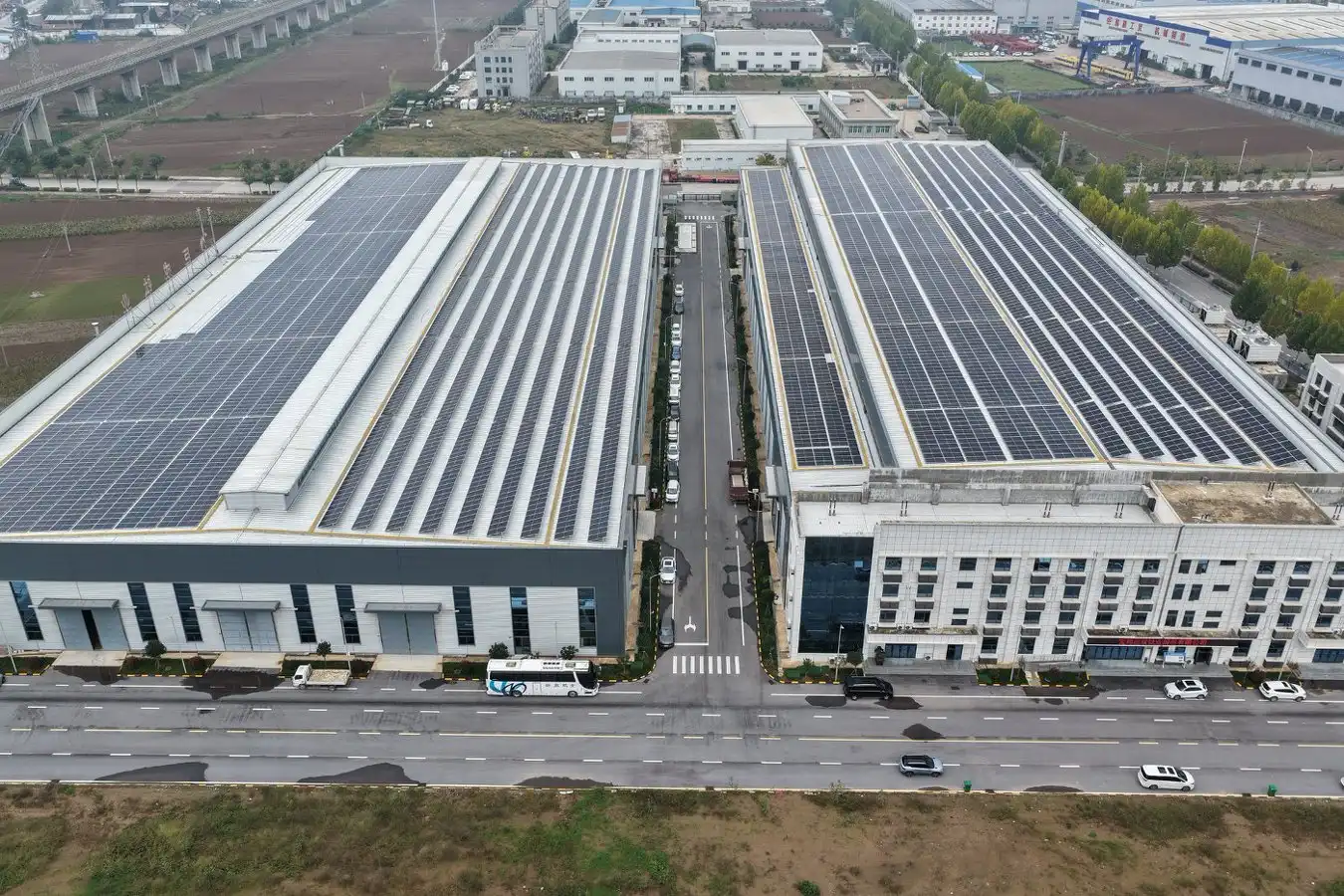
Our technological skills and titanium industry leadership are validated by our status as a National High-Tech firm and a national-level specialized and new "little giant" firm. Due to our increasing client base that uses our products for important industrial applications, our sales revenue has climbed over 30% yearly for three years. Our expansion shows market trust in our quality and reliability, reassuring procurement managers that we'll be a dependable supplier partner for equipment lifecycle support.
Comprehensive Product Range and Technical Capabilities
We produce about 1,500 tons of Gr2 Titanium products and 500 pieces of titanium equipment, including heat exchangers, reactors, and air coolers that use our Gr2 Titanium Tube products in designed systems. Our integrated capabilities let us supply component-level tubing and whole equipment solutions, streamlining procurement and ensuring tube parameters match system design requirements. Our products are trusted by industry leaders with over 70% market share in hydrometallurgy titanium anode applications and 90% in coking.
We collaborate with the Northwest Institute for Nonferrous Metal Research, Tsinghua University, and Northwest University to improve Gr2 Titanium Tube processing technology and create innovative products. Our production procedures use the latest metallurgical and quality control methods due to our invention. Beyond material supply, technical collaboration offers clients engineering skills to enhance material selection and application design under tough service circumstances.
Global Logistics and Responsive Customer Support
We have a large finished products inventory and flexible production scheduling to meet urgent delivery needs for products like corrosion resistant titanium pipe without sacrificing quality verification standards, since industrial projects have tight timeframes. Our export expertise in North American, European, and Southeast Asian markets helps us comprehend international shipping procedures, customs documentation, and trade compliance regulations that complicate international procurement. Customer service teams respond to quotation, production, and delivery requests, removing the uncertainty that irritates procurement experts handling complicated Gr2 Titanium projects.
Beyond material warranties, after-sales support includes installation guidance, troubleshooting when service conditions differ from initial specifications, and regulatory compliance material certification documentation. Through customer satisfaction surveys and continual improvement efforts based on feedback, our expert quality inspection team shows our dedication to long-term partnerships rather than transactional supplier relationships. This extensive support network gives procurement managers confidence when ordering key supplies from overseas sources.
Conclusion
Gr2 Titanium Tubes for industrial corrosion prevention are a strategic investment in equipment dependability, operational efficiency, and sustainable cost management. The material's corrosion resistance, mechanical qualities, and proven performance in different industrial applications make it ideal for chemical processing, maritime systems, and other environments where traditional materials degrade quickly. Our 20 years of titanium production experience, thorough quality management systems, and client success make us the ideal source for essential tubular applications. Through longer service life and minimized maintenance costs, procurement specialists who consider entire lifetime costs rather than initial material pricing find Gr2 Titanium Tube to be the best value.
FAQ
Q1: Why do Gr2 Titanium Tubes outperform stainless steel for corrosion protection?
Gr2 Titanium Tubes are immune to chloride stress corrosion cracking and pitting corrosion, which rapidly erode stainless steel in saltwater, brine, and chlorinated chemicals. The titanium oxide layer self-heals from pH 1 to 14, while stainless steel's passive layer breaks down in acidic chloride solutions. By reducing structural stresses and improving mechanical strength, Gr2 Titanium Tube's 60% weight advantage lowers the total cost of ownership through prolonged service life and lower maintenance.
Q2: Can you customize tube dimensions beyond standard specifications?
We often make bespoke Gr2 Titanium Tube sizes for applications that require non-standard diameters, wall thicknesses, and lengths. Our engineers optimise tube parameters for pressure ratings, flow, and installation limitations with clients. Custom end preparations, surface treatments, and inspection methods facilitate field installation and match project requirements.
Q3: How do Gr2 titanium tubes compare in cost to other grades?
Gr2 Titanium Tube balances cost and performance for most industrial applications, costing 15-20% more than Gr1 but much less than alloyed grades like Gr5 or palladium-enhanced Gr7. Initial material cost exceeds stainless steel, but lifespan cost analysis favors Gr2 Titanium Tube when replacement frequency, maintenance costs, and downtime losses are incorporated into 15-20 year equipment lifecycles.
Partner with Jucheng Titanium for Superior Corrosion Protection Solutions
Baoji Jucheng Titanium Industry Co., Ltd. offers quality Gr2 Titanium Tubes made to worldwide standards for industrial corrosion protection. We rigorously test our seamless tubes in grades Gr1 through Gr12 with outer diameters from 3mm to 219mm to ensure compliance with ASTM B337, B338, and ASME SB338 requirements. We provide fast turnaround for urgent projects while keeping quality consistency for long-term industrial applications as a recognized Gr2 Titanium Tube supplier with a large inventory and unique production capabilities. Talk to our technical staff at s4@juchengti.com about how our two decades of titanium experience can improve equipment performance and save lifetime costs.
References
1. American Society for Testing and Materials. (2021). ASTM B337-21: Standard Specification for Seamless and Welded Titanium and Titanium Alloy Pipe. ASTM International, West Conshohocken, PA.
2. Schutz, R.W. and Thomas, D.E. (2019). Corrosion of Titanium and Titanium Alloys in Industrial Process Environments. ASM Handbook Volume 13B: Corrosion: Materials. ASM International.
3. Covington, L.C. (2018). The Influence of Surface Condition and Environment on the Hydriding of Titanium. Corrosion Journal of the National Association of Corrosion Engineers, Vol. 35, No. 6.
4. Donachie, M.J. (2020). Titanium: A Technical Guide, 3rd Edition. ASM International, Materials Park, Ohio.
5. Peters, M., Kumpfert, J., Ward, C.H., and Leyens, C. (2017). Titanium Alloys for Aerospace Applications. Advanced Engineering Materials in Chemical Processing Industries. Wiley-VCH.
6. International Titanium Association. (2022). Guidelines for the Design and Fabrication of Titanium Process Equipment. ITA Technical Publication, Denver, Colorado.