
How to Choose the Right Grade 2 Titanium Round Rod?
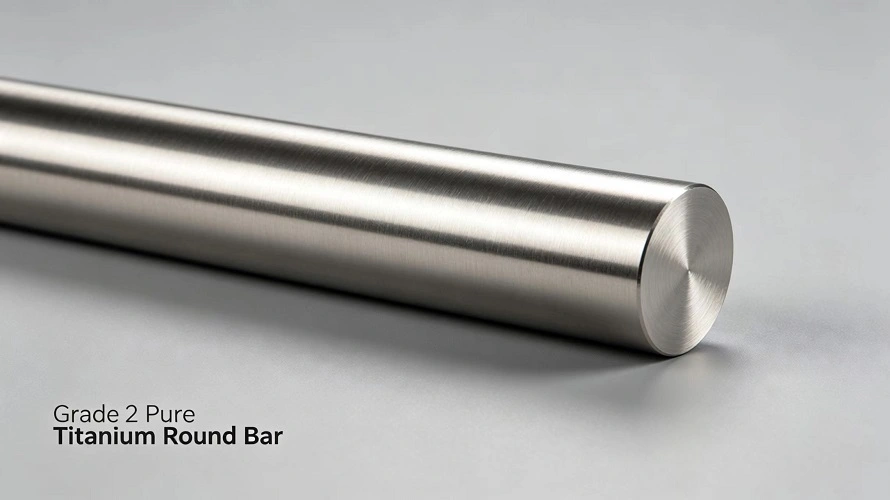
To pick the proper Grade 2 titanium round rod, you must consider corrosion protection, mechanical load, production techniques, and compliance criteria. Grade 2, a commercially pure (CP) titanium alloy with the designation UNS R50400, is easy to form, weld, and corrosion-resistant. It is ideal for chemical processing, marine, and industrial machines where strength isn't needed but severe conditions are.
Introduction
Titanium materials can affect work success, durability, and cost of ownership when buying from other companies throughout the world. The industry's workhorse is Grade 2 titanium round rods, which are rust-resistant, weak, and cheaper than high-performance metals. When buying airplane structural supports, petrochemical valve stems, or medical devices, you must comprehend intricate needs, source expertise, and material trade-offs. This extensive guide covers all the major choice variables, including material quality, market comparison, buying tactics, and supplier evaluation. You can be sure your options meet engineering demands and your budget this way.
Understanding Grade 2 Titanium Round Rod: Specifications and Properties
Chemical Composition and Material Standards
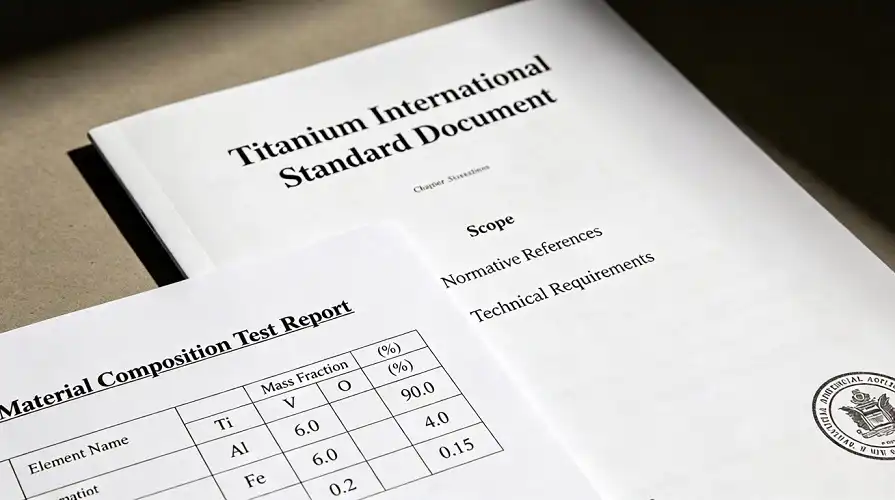
Grade 2 titanium round rods fulfill global standards including ASTM B348, ASME SB348, and ISO 5832-3. Commercially pure (CP) titanium with regulated proportions of iron (0.30% maximum), oxygen (0.25% maximum), carbon (0.08% maximum), and nitrogen (0.03% maximum) makes up the metal. This perfect technology keeps the material flexible and chemically resistant. Grade 2 titanium is easier to form and weld than Ti-6Al-4V (Grade 5), allowing for intricate construction without compromising strength.
Mechanical and Physical Characteristics
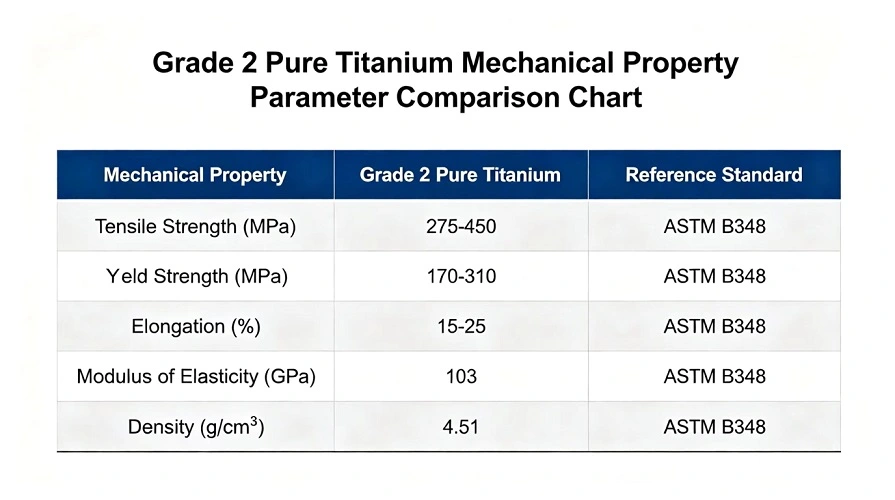
Widely pure titanium bars have a minimal maximum tensile strength of 345 MPa and a yield strength of 275 MPa. Additionally, they may extend 20%. This blend facilitates cold-forming and breaking tougher metals. Its density is 4.51 g/cm³, 60% lighter than steel, and its melting point is at 1660°C. Its elasticity is 105 GPa, half that of stainless steel. This means it naturally absorbs stress from shifting loads. These features make Grade 2 rods valuable in situations where reducing weight improves performance without sacrificing lifetime.
Standard Dimensions and Surface Treatments
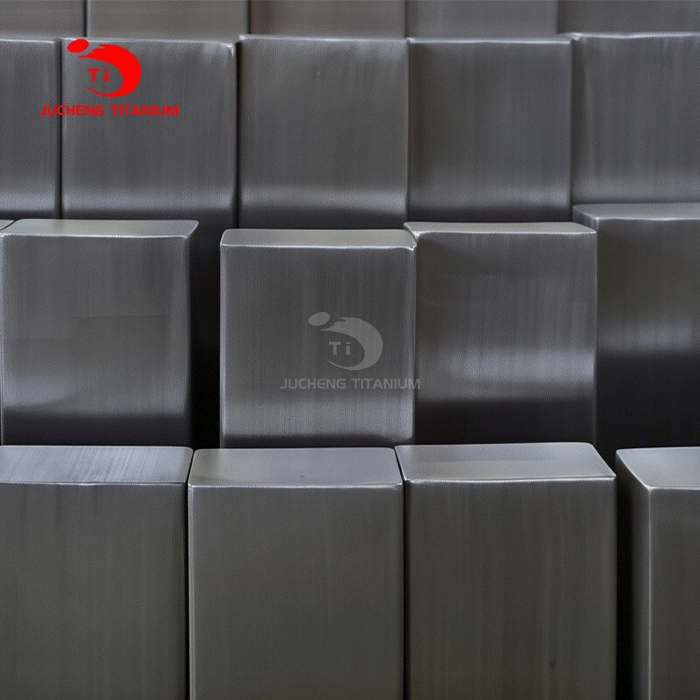
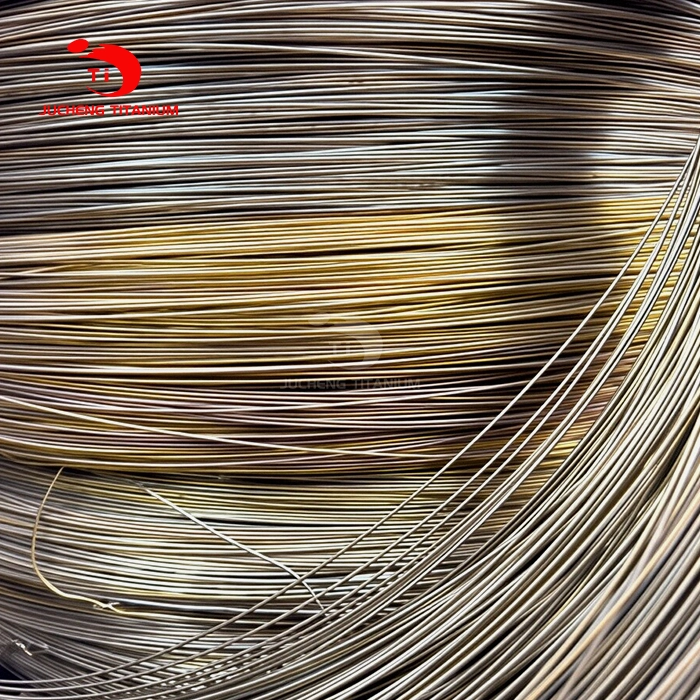
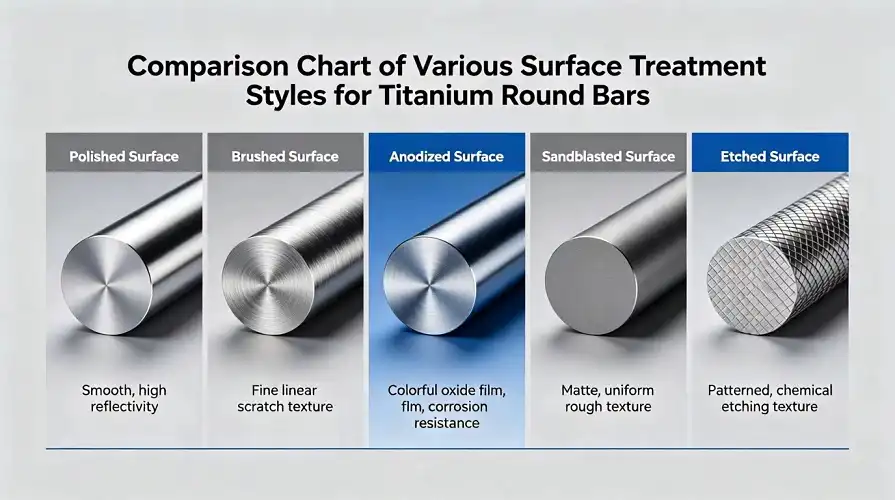
Jucheng Titanium makes 6–450 mm titanium round bars. Normal lengths are 6000 mm and exceptional lengths up to 12000. We produce things via vacuum melting, forging, hot rolling or rotational forging, centerless grinding or turning, bending, and surface treatment. Polished for precision and appearance, twisted or peeled for CNC machining tolerances, centerless ground for constant diameter control, sandblasted for coating adherence, or pickled for a clean, matte finish for welding. Surface treatments are tailored to specific production steps while maintaining material purity.
Application Versatility Across Industries
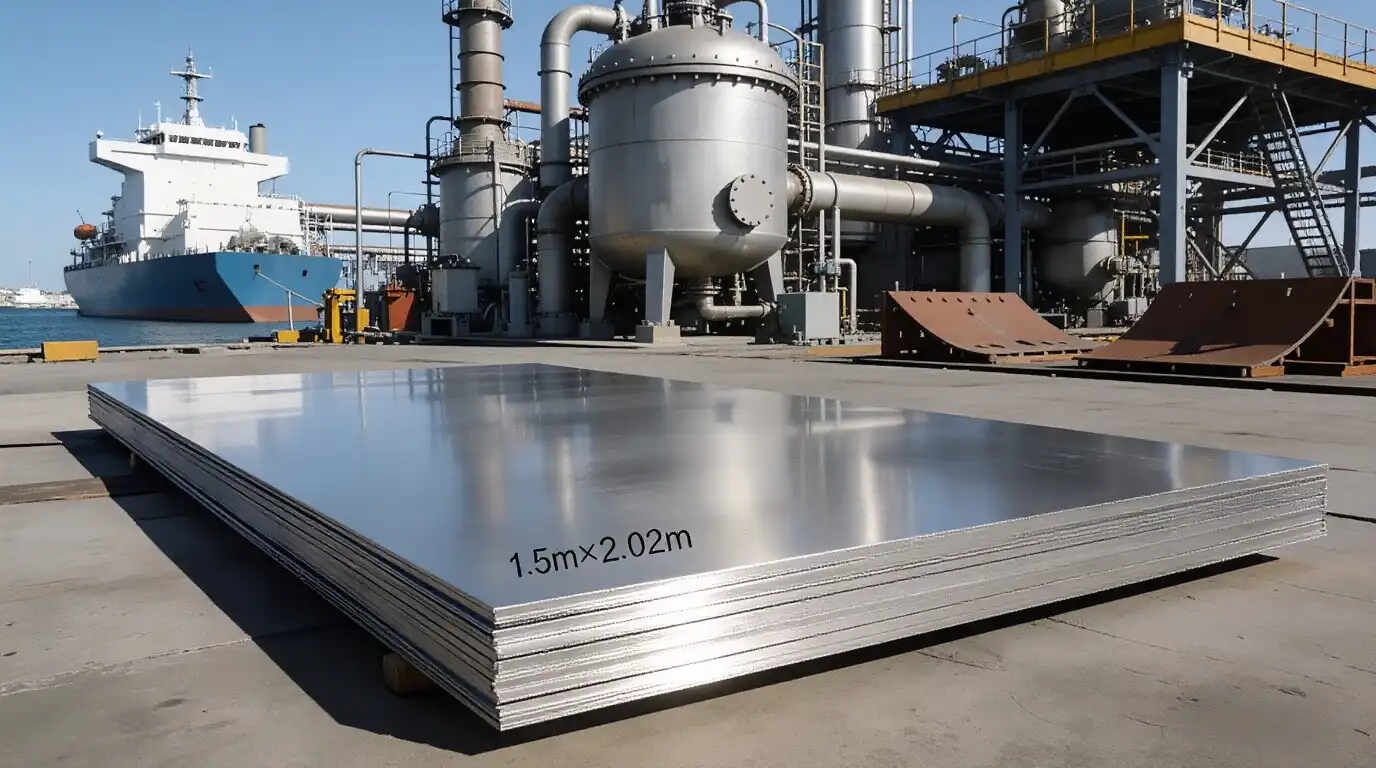
Grade 2 commercially pure (CP) titanium bars are essential in chemical operations where valve parts, pump shafts, and reactor interiors are constantly exposed to oxidizing acids, wet chlorine, and high-temperature brines. These rods are utilized for propeller shafts, underwater instrument housings, and desalination plant pipes in maritime and offshore sectors. In these areas, saltwater rust would swiftly degrade other metals. In power plants' condenser tie-rods and heat exchanger supports, thermal cycles and cooling water chemistry necessitate materials that don't corrode or rust and last for decades of usage.
Comparing Grade 2 Titanium Round Rod with Alternatives
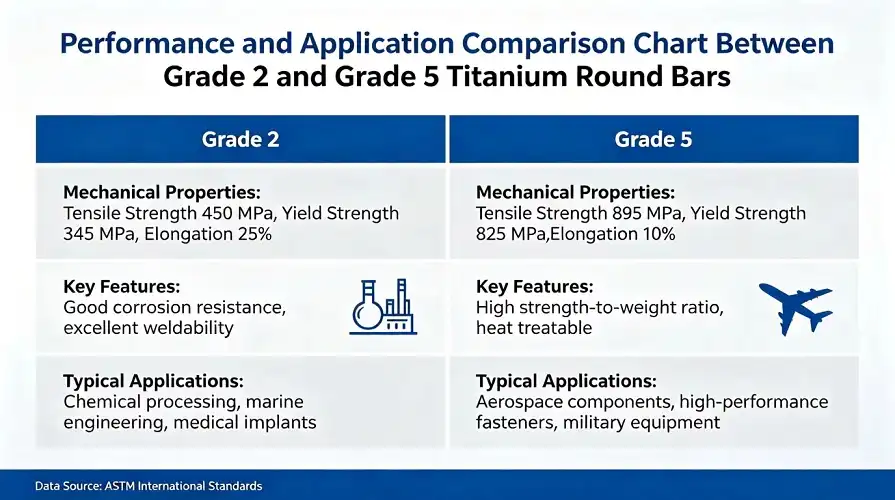
Grade 2 vs. Grade 5 (Ti-6Al-4V)
Alloy composition and properties are the key differences. Mixing aluminum with vanadium yields Grade 5 titanium. It is utilized for aircraft high-stress construction parts because it has approximately twice the tensile strength of Grade 2. This strength makes it harder to shape and weld. Grade 5 must be heated before and stressed out after welding, although Grade 2 titanium round rod can be bonded when primed without heating up again. Price differences are also significant. Due to its sophisticated alloying and processing, Grade 5 is more expensive, while Grade 2 is cheaper and performs just as well when ultimate strength isn't necessary.
Corrosion Resistance Comparisons
Grade 2 resists corrosion well in nitric acid, saltwater, and wet chlorine gas. It resists pitting and crevice corrosion at 260°C. Through certain assault methods, 316L and other stainless steels shatter. Grade 7 titanium, which contains palladium, resists corrosion in less acidic environments better than Grade 2, although it costs more. Aluminum alloys are lightweight but corrode easily in seawater and chemicals, so they need protective layers that make maintenance harder. Due to its lower cost, Grade 2 is the best choice for mildly corrosive work. Hastelloy would strain budgets without delivering any benefit.
Weight and Strength-to-Weight Considerations
The best strength-to-weight ratio is important when choosing a material. Grade 2 titanium has a density of 4.51 g/cm³, significantly lower than stainless steel (7.9 g/cm³) and mild steel (7.85 g/cm³). This reduces structural load in airplane and maritime usage, where every kilogram impacts fuel efficiency or cargo. Aluminum is lighter than titanium but has weak mechanical properties and rusts easily, limiting its usefulness. Due to their moderate strength, non-rusting nature, and low density, commercially pure (CP) titanium bars are the ideal choice for light, harsh-environment purposes.
Procurement Criteria for Grade 2 Titanium Round Rods
Defining Technical Requirements
You must explicitly describe dimensions, mechanical qualities, and environmental resistance to have a successful purchase process. Engineers should record tolerances (typically ±0.05mm for accuracy), length requirements, and any particular straightness requirements. Mechanical properties must meet application stresses. ASTM B348 establishes minimal values; critical parts may need production lot test results. Grade 2 may not be enough depending on the operating temperature range, chemical exposure, and cyclic loading circumstances. Grade 7 may be needed.
Understanding MOQ, Lead Times, and Customization
Because each vendor manages inventory and manufacturing differently, minimum order amounts vary. Standard size MOQs are normally 100 kg or less. Custom requirements may need 500 kilograms or more of production batches. We carry a 3,000-ton stockpile year-round, so lead times for well-known brands like Jucheng Titanium might be one week. Custom orders with non-standard sizes or heat treatment take 6–8 weeks to deliver. Melting, forging, and metal quality testing take time. Knowing these dates prevents project delays and helps organize the supply chain.
Cost Optimization Strategies
Grade 2 titanium round rods raw material prices depend on global sponge titanium prices, alloying element supplies, and vacuum melting energy. Buyers can get the best cost deals by combining orders to get price breaks for buying more, accepting wider tolerance ranges when engineering allows (which lowers machining costs), choosing stock diameters that reduce material waste during final machining, and making long-term supply agreements that stabilize prices when the market changes. Working with integrated producers like Jucheng Titanium, who monitor the entire melting to finishing process, eliminates intermediaries and assures supply chain quality.
Evaluating and Choosing a Reliable Supplier
Certification and Quality Assurance Systems
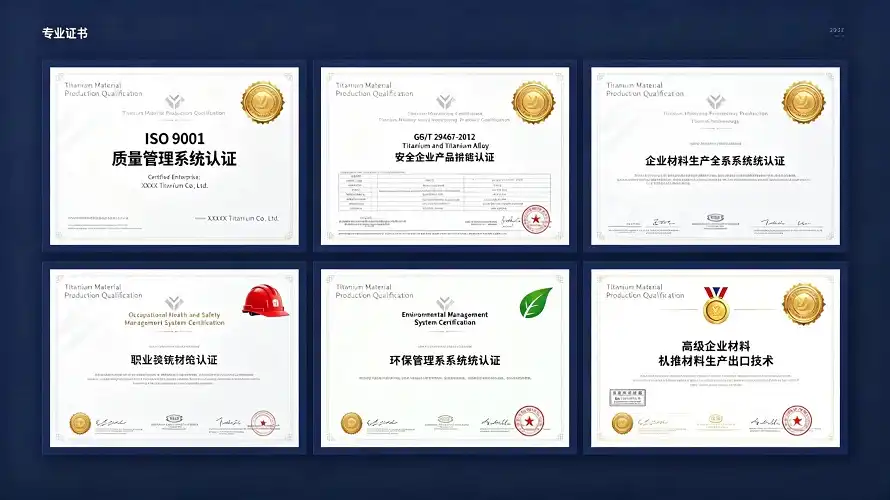
Premier suppliers maintain quality management certifications to demonstrate their commitment to output standards. At least get ISO 9001 certification. AS9100 and ISO 13485 certifications are required for aerospace and medical device firms. Material certifications should include mill test reports (MTRs) that reveal chemical makeup using spectroscopy, mechanical properties using tensile testing, and manufacturing temperatures. Independent testing labs verifying ASTM B348 conformity enhances trust, especially in critical instances where material failure might cause safety or financial difficulties. Our 4 concept patents and 41 utility model patents, employed in all manufacturing processes, demonstrate Jucheng Titanium's high quality standards for Grade 2 titanium round rod production as a National High-Tech Enterprise and specialized "little giant".
Production Capability Assessment
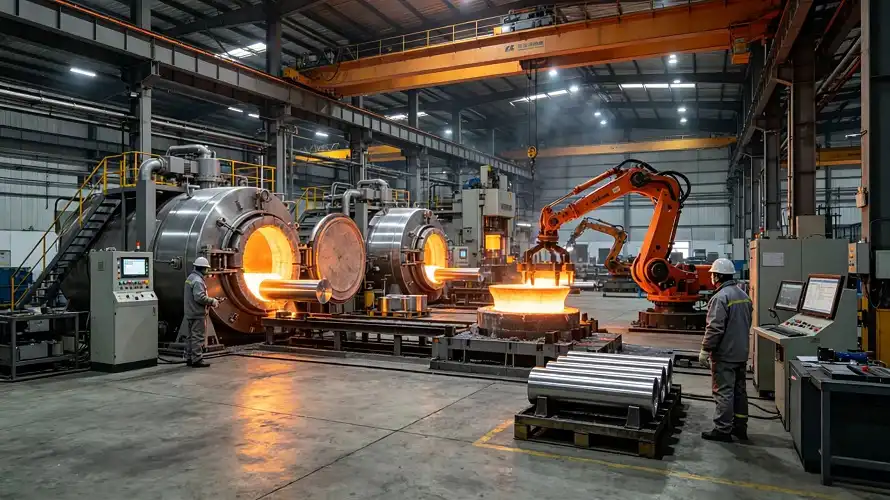
Suppliers are evaluated on output skills as well as qualifications. Check the melting point—vacuum arc remelting (VAR) ovens provide uniformity and low interstitial material. Forging skills establish width ranges and grain refining methods to increase mechanical qualities. Machine tools like CNC lathes, centerless grinders, and straightening presses affect surface quality and measurement precision. Jucheng Titanium's 120,000-square-meter complex contains vacuum melting and surface finishing lines. This allows them to monitor quality and respond fast to customers. We produce around 500 titanium tool sets and several bars and plates each year, proving we can handle large tasks.
Supply Chain Reliability and Partnership Value
Long-term buying success depends on supplier reliability in several ways. Check their on-time delivery, technical support, and flexibility in adjusting requirements and dispatching orders promptly. Being near major shipping lines simplifies operations and reduces transport times. Stable income growth and industry esteem indicate long-term businesses that can adapt to market fluctuations. Our listing on the National Equities Exchange and position as one of Shaanxi Province's reserve firms demonstrate our financial strength, and our 30% annual income growth for three years indicates market trust. Partnerships with Jiangxi Copper Group and Northwest Institute for Nonferrous Metal Research support our technological expertise and reliability.
Best Practices in Handling and Using Grade 2 Titanium Round Rods
Storage and Handling Protocols
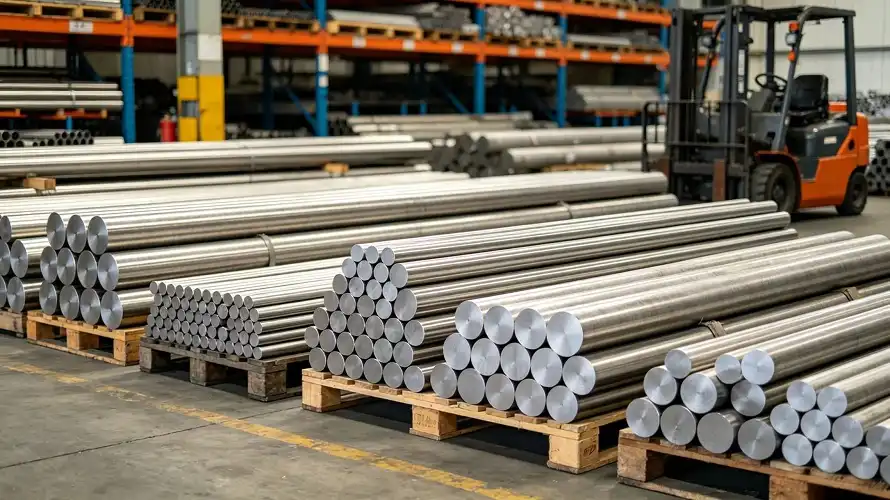
Materials should be stored properly to maintain quality and prevent surface contamination from compromising the next stage in manufacturing. Grade 2 titanium round rods should be maintained apart from carbon steel in a dry, well-ventilated environment to avoid reacting and contaminating when cut or machined. Instead of chains, use clean lifting methods like slings or cradles to protect the surface. Before machining, remove protective oils and manage residue with degreasing solutions. Mixing Grade 2 with higher-strength metals makes it hard to track and might cause quality issues. Utilize inventory movement mechanisms to deplete older stock first. Titanium is stable, hence age is less essential than reactive metals.
Machining and Fabrication Recommendations
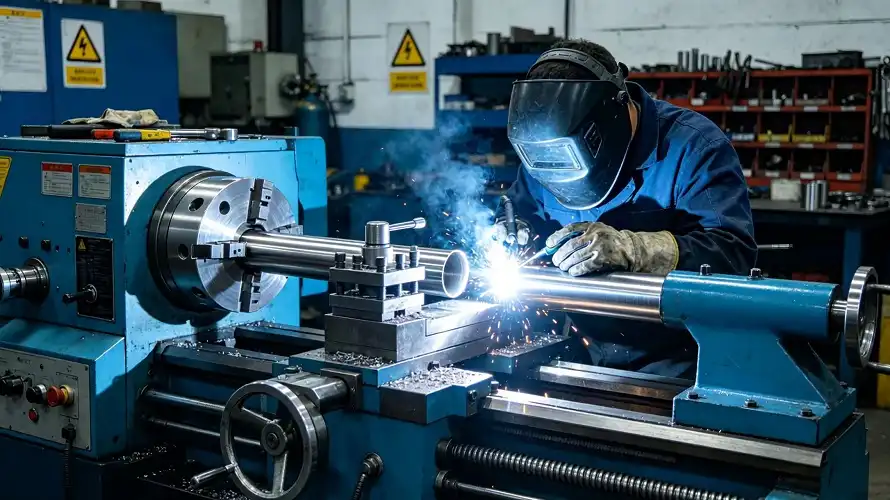
Titanium work-hardens and conducts heat poorly, making it difficult to manufacture. Use fine carbide tools with broad clearance angles (10 to 15 degrees), slow cutting speeds (50 to 80 surface feet per minute for Grade 2), and flood coolant to prevent heat buildup that accelerates tool wear and work-hardening. Cutting in and out galls; light cuts with consistent feed rates are optimal. Grade 2 can be cold-formed because of its flexibility. However, heating it to 650–750°C simplifies intricate shaping. TIG, MIG, argon shielding, and titanium filler wire are used for welding. Pickling the weld in nitric-hydrofluoric acid removes heat-induced discolouration and restores corrosion resistance.
Heat Treatment and Property Optimization
Annealed titanium round stock is sent most often. But stress relief at 480–595°C for 30–60 minutes can stabilize measurements in tight-tolerance machined items and prevent them from slowly shifting form. After cold working, 700°C annealing and air cooling smooth the grain structure and restore flexibility. Avoid prolonged air contact over 540°C to prevent the top layer from collecting too much oxygen. To make items as durable as feasible, vacuum annealing removes all surface rust. Knowing these thermal processing options lets you adjust the material's characteristics to suit a specific application while maintaining Grade 2's essential attributes.
Conclusion
You must consider the region of usage, mechanical stress, method of production, budget, and supplier's expertise to choose the best commercially pure (CP) titanium bar. Grade 2 titanium round rod is cheap, doesn't rust like exotic alloys, can be moulded better than high-strength titanium, and has good mechanical properties for numerous industry purposes. For successful procurement, technical demands must be clearly specified, suppliers must be carefully examined based on certifications and manufacturing capabilities, and partnerships must be built with reliable producers that provide a wide selection of goods and the flexibility to make adjustments. You may maximize your titanium investment during its lifespan by following recommended procedures for handling, cutting, and heating materials.
FAQ
Q1: What makes Grade 2 different from other commercially pure titanium grades?
Grade 2 titanium round rod is robust and easy to form, placing it in the midst of widely pure materials. Grade 1 is more flexible than Grade 2, but less powerful. Grades 3 and 4 are stronger due to intermediate content but harder to weld. Grade 2 commercially pure (CP) titanium is best for general industrial applications since it has a minimum tensile strength of 345 MPa and is rust-resistant.
Q2: Can these rods be directly welded to stainless steel components?
TiFe phases, weak intermetallic compounds that shatter readily, form when titanium and steel are directly fused. Instead, use friction welding, explosive bonding, or mechanical binding. Explosion-bonded titanium-steel plate transition joints allow strong metal-to-metal connections.
Q3: How long do custom orders typically take for delivery?
Complex specs affect lead times. We ship standard diameter parts from our 3,000-ton supply in 5–7 business days. Forging and heat treatment to specific measurements require 6–8 weeks from order to delivery. This covers manufacturing, testing, and international delivery. Faster processing may be available for urgent requests. Call our staff to explore options.
Partner with Jucheng Titanium for Your Grade 2 Titanium Round Rod Needs
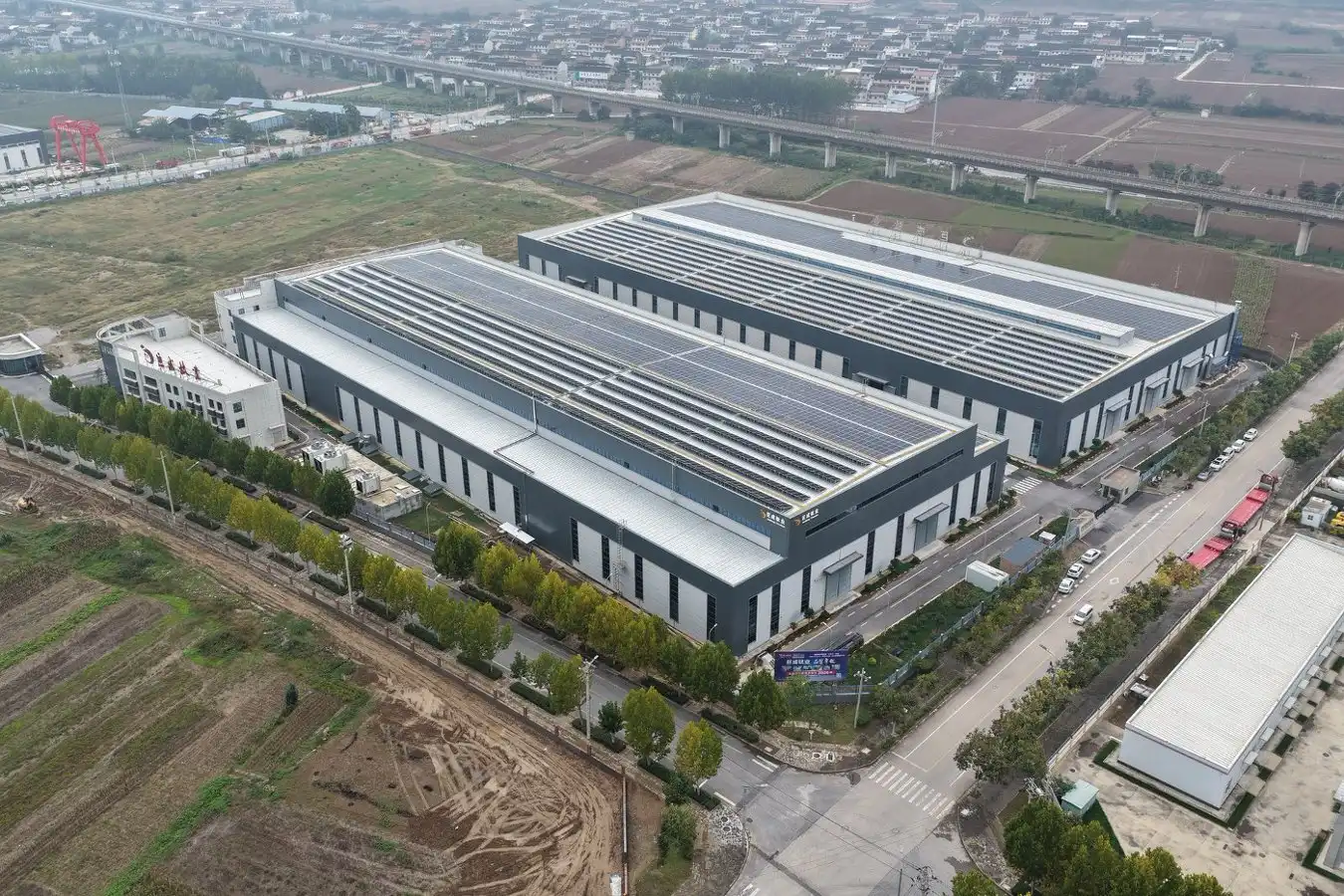
Baoji Jucheng Titanium Industry Co., Ltd. has been creating titanium goods for over twenty years and will help you with your buying concerns. We manufacture vacuum freezers and perform precise machining at our 120,000-square-meter plant. Quality is checked throughout. As a National High-Tech Enterprise and specialized "little giant" producer listed on the National Equities Exchange, we follow high standards backed by agreements with Tsinghua University and the Northwest Institute for Nonferrous Metal Research. Our versatile bespoke processing can handle unique sizes up to 450mm in diameter and 12000mm in length, and our 3,000-ton stock of Grade 2 titanium round rod helps us promptly satisfy typical demands. As a worldwide corporation serving the aerospace, chemical processing, marine engineering, and industrial equipment sectors, we understand the need for dependable and timely goods. Contact s4@juchengti.com today for comprehensive specs, low prices, and professional guidance on choosing the optimal titanium round stock configuration.
References
1. American Society for Testing and Materials. (2021). ASTM B348: Standard Specification for Titanium and Titanium Alloy Bars and Billets. ASTM International.
2. Boyer, R., Welsch, G., & Collings, E.W. (1994). Materials Properties Handbook: Titanium Alloys. ASM International.
3. Donachie, M.J. (2000). Titanium: A Technical Guide, 2nd Edition. ASM International.
4. Lütjering, G. & Williams, J.C. (2007). Titanium: Engineering Materials and Processes, 2nd Edition. Springer-Verlag Berlin Heidelberg.
5. Schutz, R.W. & Watkins, H.B. (1998). "Recent developments in titanium alloy application in the energy industry." Materials Science and Engineering: A, 243(1-2), 305-315.
6. Veiga, C., Gavim, J.P., & Loureiro, A.J.R. (2012). "Properties and applications of titanium alloys: A brief review." Reviews on Advanced Materials Science, 32(2), 133-148.