
How to improve the wear resistance of titanium round rods?
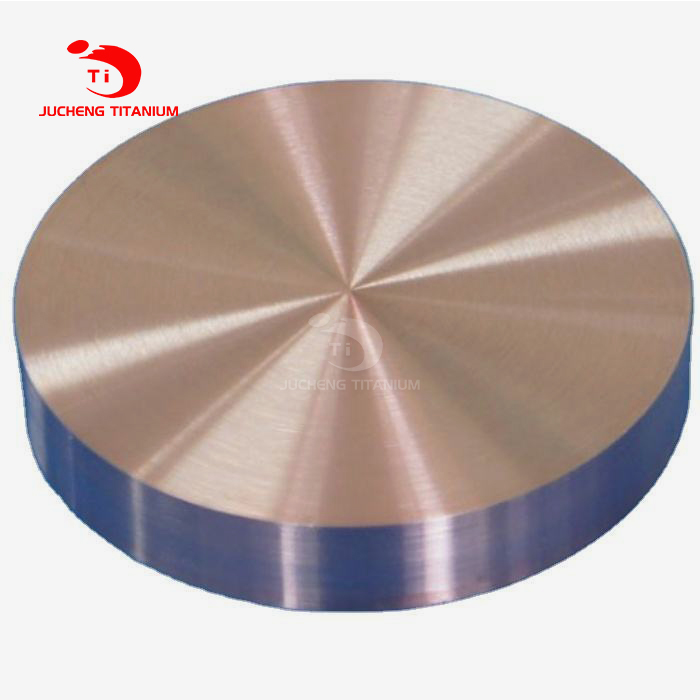
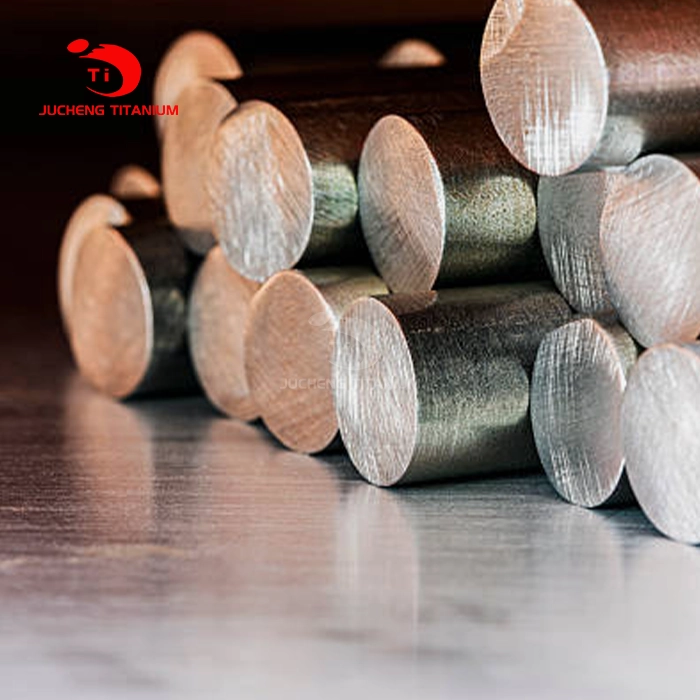
Improving the wear resistance of a Titanium round Bar involves a combination of strategic material selection, advanced surface treatments, and precision manufacturing processes. The most effective approach includes choosing appropriate titanium grades like Gr5 (Ti-6Al-4V) for high-strength applications, applying protective coatings such as titanium nitride or ceramic layers, and implementing controlled heat treatment protocols during production. Optimizing machining parameters and surface finishing techniques—including centerless grinding and polished surfaces—also significantly reduces friction and extends component lifespan in demanding environments.
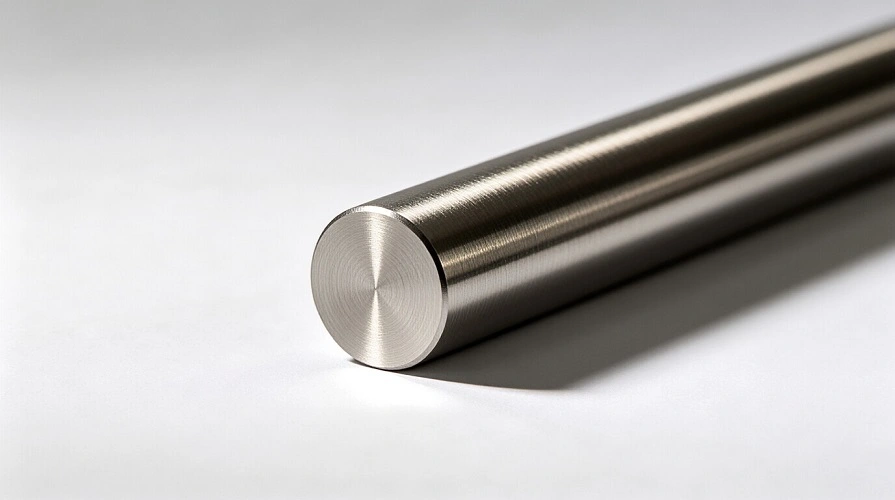
Understanding the Wear Resistance Challenge in Titanium Round Rods
Wear resistance is how well a Titanium round Bar can keep its shape when it is rubbing against other parts, being hit, or moving against other things during service. This trait has a direct effect on how long a part keeps its shape and measurements when it is put through operational stress in metalworking and other industry settings.
Why Wear Resistance Matters for Industrial Applications
We sell titanium bars to companies that make airplane parts, chemicals, or medical devices. A part's wear resistance tells us how long it will last, in months or decades. When something doesn't fight wear well, it needs more upkeep, breaks down unexpectedly, and needs to be replaced, which costs a lot of money and hurts your bottom line.
Key Mechanical Properties That Define Wear Performance
Titanium's wear pattern is affected by a number of mechanical features that are all linked. Tensile strength tells you how much force a material can withstand before it breaks, and hardness tells you how easy it is to scratch or dent the surface. Corrosion protection stops chemicals from breaking down materials, which speeds up wear in harsh settings. Titanium grades have very different physical properties. Commercially pure grades like Gr1 and Gr2 are very resistant to corrosion but not as hard. On the other hand, titanium alloys like Gr5 (Ti-6Al-4V) are stronger and last longer because they contain aluminum and vanadium.
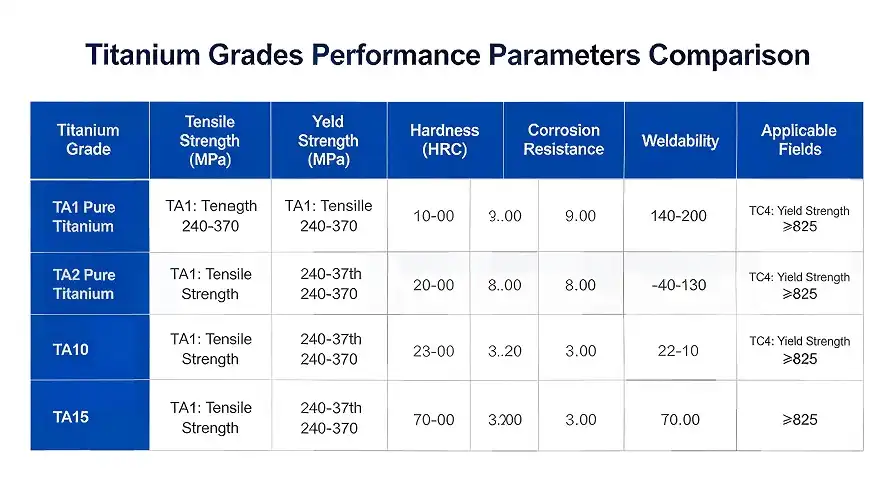
How Different Titanium Grades Influence Durability
When choosing titanium round bars for certain uses, the grade becomes very important. Gr2 is used in a wide range of industrial settings and has good wear protection in moderate situations. Gr5 is the workhorse metal because it has a tensile strength of more than 895 MPa and a hard surface that doesn't wear down easily when used in aircraft structural parts. Since Gr9 has less aluminum in it, it strikes a good mix between strength and better formability for uses that need both wear protection and fabrication freedom. Knowing these differences between grades helps purchasing managers match the specs of materials to what they are actually used for, which lowers the total cost of ownership.
Causes of Wear in Titanium Round Rods and How to Analyze Them
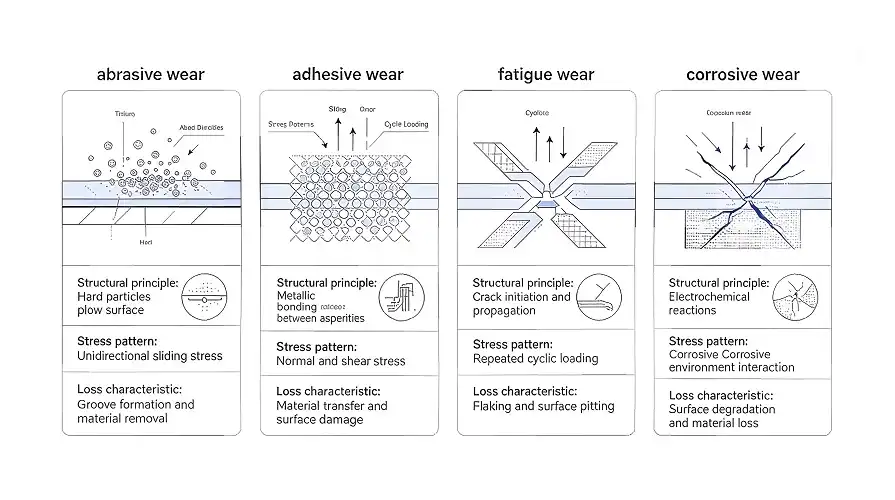
Wear in titanium parts comes from a number of different sources, and each one needs a different set of solutions to stop it. When engineers know about these types of wear, they can make specific changes instead of using general answers that might not get to the root causes.
Primary Wear Mechanisms Affecting Titanium Components
When hard particles or rough surfaces cut and plow through material, this is called abrasive wear. This can happen in drilling operations or when a Titanium round Bar meets abrasive media. Sticky wear (adhesive wear) happens where two moving surfaces meet, causing localized welding and material transfer. This is especially problematic for titanium, which tends to gall. It is common for parts of spinning machinery to show signs of fatigue wear, which is caused by repeated stress cycles that cause surface cracks and material to come loose. Corrosive wear is when chemicals and mechanical forces work together to break down things faster in acidic or hot settings.
Titanium Versus Alternative Materials in Wear Scenarios
When you compare titanium round bars to steel or aluminum ones, you can see that they work differently. Steel usually has a harder surface at first, but titanium has a higher strength-to-weight ratio and doesn't rust, so it can be used for longer in sea or chemical conditions where steel would rust quickly. Aluminum is easy to work with, but it isn't as strong or stable at high temperatures as titanium, which is needed in aerospace uses that work above 300°C. These differences explain why titanium is used in places where conditions and performance needs are higher than what most materials can handle.
Material Characteristics and Manufacturing Impact on Wear
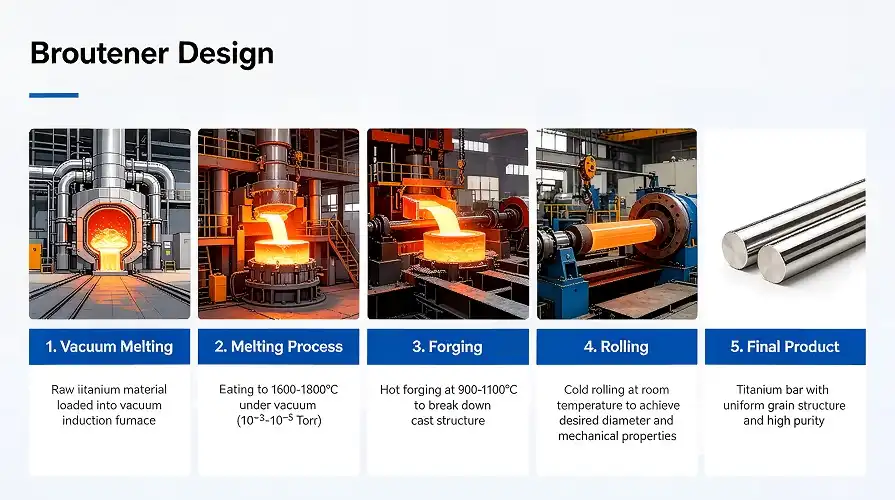
Microstructure is a key factor in how things break down. The alpha-beta structure of Ti-6Al-4V is more resistant to wear than the pure alpha structures found in grades that are sold in stores. The amount of impurities, especially oxygen and iron, affects both hardness and flexibility. For example, more oxygen makes the material stronger, but it may make it less resistant to breaking. Poor heat treatment can leave leftover stresses that cause fatigue cracks, and rough machining leaves surface flaws that concentrate contact stress and speed up wear. Our manufacturing process, which includes vacuum melting, controlled forging, and rotating forging, reduces internal flaws and makes microstructures that are regular, which improves wear performance.
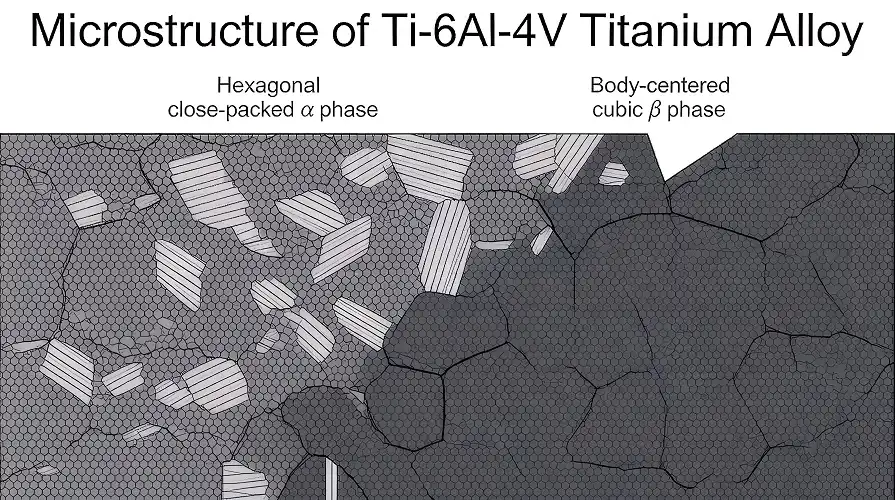
Proven Methods to Improve the Wear Resistance of Titanium Round Rods
To make a Titanium round Bar more resistant to wear, you need to take a planned method that includes material engineering, surface change, and process optimization. These methods have been proven to work in many different types of businesses and lead to measurable gains in performance.
Advanced Surface Treatments and Coating Technologies
Surface engineering makes wear traits much better without changing the features of the material as a whole. Physical vapor deposition is used to apply Titanium nitride (TiN) layers, which raise the surface hardness to 2000–2400 HV while keeping the substrate's toughness. This golden layer lowers the coefficients of friction and stops adhesive wear in rolling situations. Diamond-like carbon (DLC) coatings offer even less friction and better wear protection in medical tools that need to make as few particles as possible. Ceramic thermal spray coatings have thick protective layers (100–500 microns) that can handle harsh, rough conditions in chemical manufacturing equipment.
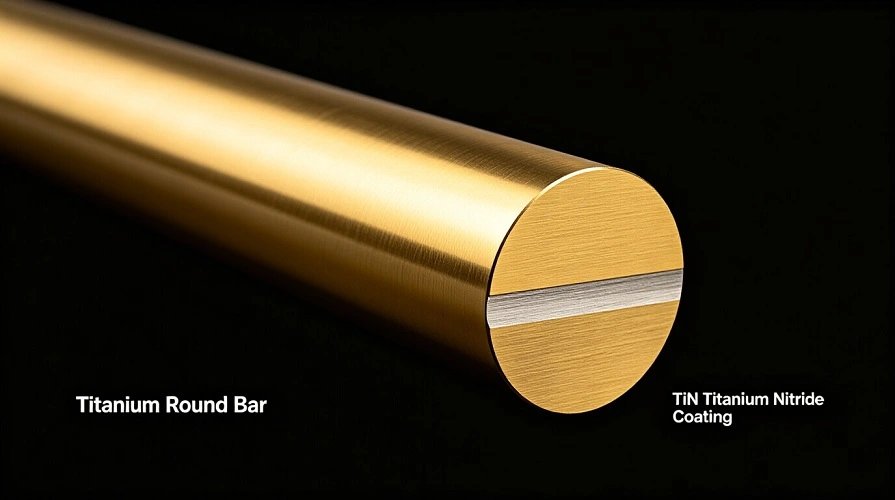
Each covering method targets a different type of wear. We look at the needs of the application—such as working temperature, contact pressure, and exposure to the environment—to suggest the best surface processes that match performance with cost-effectiveness. To make sure the coating sticks well and lasts a long time, the surface must be carefully prepared by controlled sanding or pickling.
Strategic Grade Selection Based on Application Demands
Wear resistance improvement starts with matching the titanium grade to the work conditions. Commercially pure Gr2 is used in places where resistance to rust is more important than strength, like in heat transfer tubes that are used in chloride settings. Gr5 (Ti-6Al-4V) is needed when parts are under a lot of mechanical stress and wear. It has a yield strength of about 880 MPa and good fatigue resistance, making it perfect for aircraft bolts and structural elements. With its extra-low interstitials, Gr23 (Ti-6Al-4V ELI) is better at resisting breaking for medical devices where biocompatibility of wear debris is just as important as longevity.
When we choose materials, we look at how they will be loaded, the temperature range, the chemicals they will be exposed to, and how long they are supposed to last. This way of thinking about things makes sure that choices about what to buy are based on what is actually needed for performance, instead of over-specifying materials that raise costs without offering the same amount of benefits.
Machining and Post-Processing Excellence
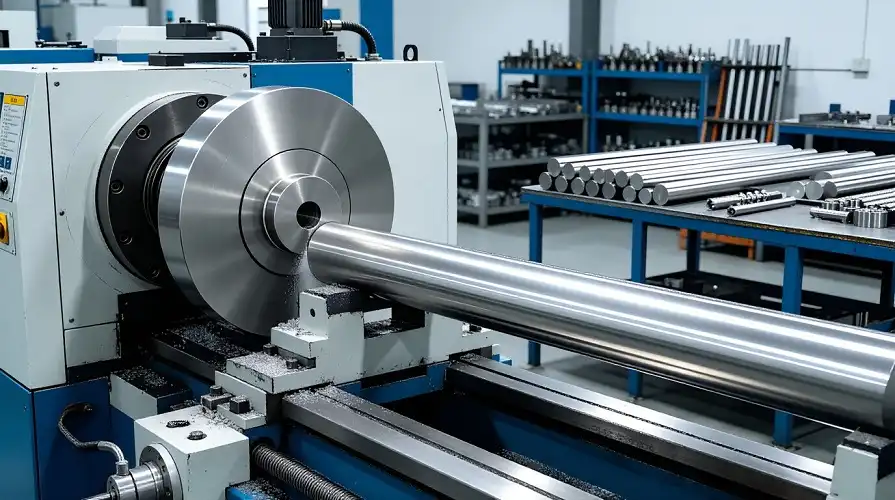
Precision making has a direct effect on the quality of the surface and how well it resists wear. When you grind without a center, you get better surface finishes (Ra 0.4–0.8 microns) that reduce friction and contact stress. To avoid work hardening and surface flaws, turning processes must use the right cutting speeds and tool geometries. After straightening, any remaining stresses that could cause fatigue cracks to form under repeated loads are removed.
Heat treatment methods need extra care. By annealing at controlled temperatures, grinding stresses are relieved, and the microstructure is improved so that it is more resistant to wear. We use written thermal processing procedures that make sure that the properties of the materials are the same from one production batch to the next. These procedures are backed up by metallographic proof and hardness tests.
Design Optimization Strategies
The engineering design has a big effect on how much wear a part gets and how long it lasts. By using bigger fillet edges, stress buildup at changes is lowered. By stating the required surface hardness in key wear areas, treatment can be applied precisely where it is needed. By increasing the bearing areas and designing for less contact pressure, repair times can be made longer. Taking these things into account early on in the development of a component is a better way to stop mistakes caused by wear than just choosing the right material.
Case Studies and Verification of Wear Resistance Improvements
Validation in the real world shows that combined methods to wear resistance provide real operating benefits in a wide range of industries.
Aerospace Component Performance Enhancement
An airplane landing gear maker had to deal with Titanium round Bar actuator rods wearing out too quickly when they were used in harsh coastal settings with a lot of load. We provided Gr5 round bars with a width of 80mm that were made according to ASTM B348 and AMS 4928 standards and had a TiN finish put on them after they were precisely ground. Abrasion tests in the lab showed that covered bars had 340% longer wear life than untreated bars. Field deployment pushed repair intervals from 18 months to 60 months, which cut lifetime costs by about 45% while still meeting the standards for airworthiness approval.
Chemical Processing Equipment Durability
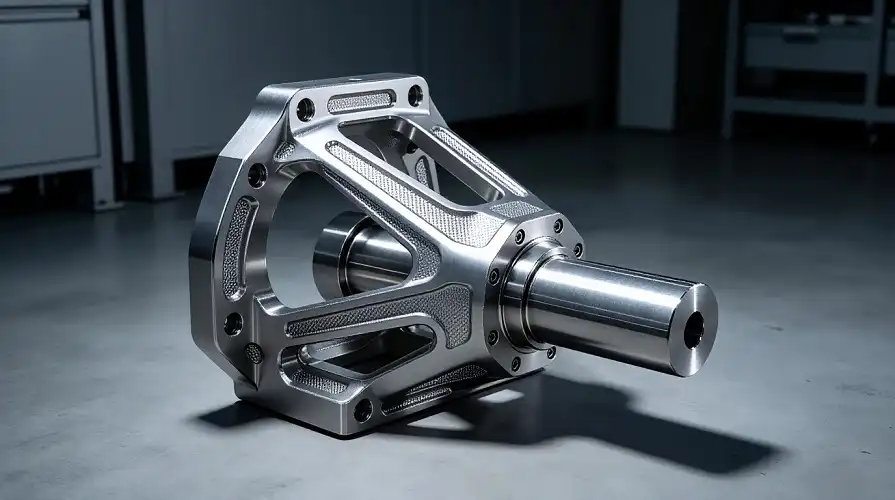
A company that makes tools for the petroleum industry needed titanium pump shafts that would not rust or wear down in sulfuric acid. Within 8 to 12 months, the tops of standard Gr2 bars started to wear down. When the material was changed to Gr9 with a ceramic layer, and the surface was smoothed to Ra 0.6, the service life was increased to 48 months. Based on comments from clients, there were no unplanned repair events over a three-year period of operation. This proved that the method for improving wear resistance works in harsh chemical environments.
Medical Device Reliability Data
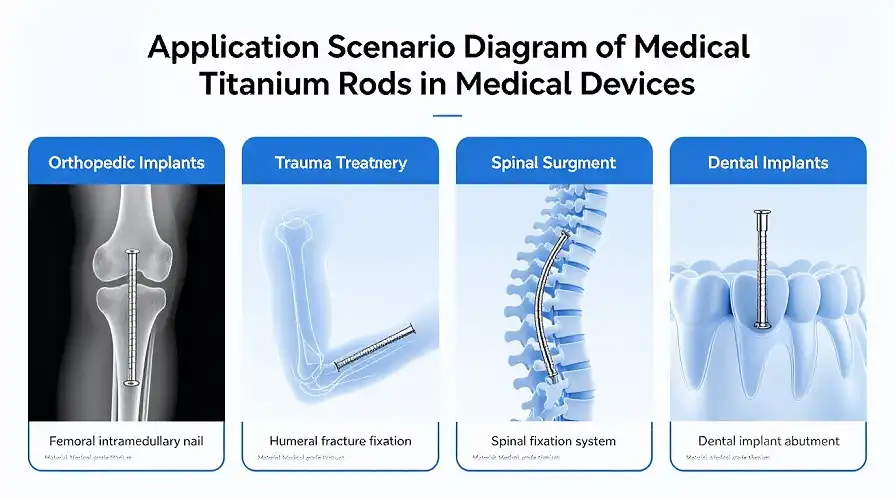
Surgical tool makers need titanium bars that don't wear down easily so that their instruments keep working well after thousands of sterilization rounds. We gave you Gr23 bars that were made to ASTM F136 standards and had controlled surface processes. Tensile strength tests showed numbers higher than 860 MPa and elongation above 10%, which is what is needed for biological applications. Wear simulation tests showed that the surface integrity stayed the same after 5000 autoclave cycles, which is much better than the industry standard and backs up promises of long-term implant reliability.
Summary of Best Practices and Key Takeaways for Buyers
To make a Titanium round Bar more resistant to wear, you can't just use one scientific answer. You need to combine several of them. Choosing the right material grade is the first step in making sure that the metal makeup meets the needs for strength, temperature, and corrosion. Surface processes give areas that wear harder surfaces and less friction. Controls for manufacturing quality make sure that the features and surface consistency stay the same, which keeps things from breaking down too soon.
Purchasing managers should judge sellers based on how well they follow certification standards (ASTM B348, ASME SB348, ISO 5832-3), how well they can customize products, and how well they offer expert support. Suppliers who give full testing of materials, detailed processing methods, and application engineering help lower risk and improve project results. Lead time dependability is just as important—production delays caused by late material supplies often cost more than differences in material prices.
To balance cost and effectiveness, you need to know about all of your ownership costs, not just the buying price. Higher-grade titanium that has been properly treated on the outside may cost 20–30% more, but it will last 300–400% longer, which will save a lot of money on repairs and downtime. When you compare material choices, we suggest doing a lifetime cost analysis that takes into account how often they need to be replaced, how much it costs to install, and how long they cause business interruptions.
Conclusion
In conclusion, to make a Titanium round Bar more resistant to wear, you need to use smart material choices, advanced surface engineering, and precise production methods. When compared to widely pure grades, Gr5 and Gr9 metals have better basic performance. Coatings like TiN and DLC give them very high surface hardness. Excellent manufacturing, from vacuum melting to controlled heat treatment and precise finishing, ensures that the qualities stay the same so that they can be used in difficult medical, chemical, and aerospace applications. Integrated methods have been shown to increase the life of parts by 300–400%, which lowers the total cost of ownership by a large amount. Partnering with experienced sources who uphold strict quality standards and allow technical teamwork guarantees the best material specs that balance the need for performance with the available budget.
Frequently Asked Questions
1. What titanium grade offers the best wear resistance?
Gr5 (Ti-6Al-4V) usually has the best wear resistance of all the grades that are offered. It has a high tensile strength (895+ MPa) and a good surface hardness. The combination of aluminum and vanadium makes a good matrix that can withstand both abrasive and binding wear. Surface-treated Gr5 or specialty beta alloys may be better for uses that need great wear resistance, but they are more expensive.
2. Can surface coatings be applied to all titanium grades?
Titanium grades from Gr1 to Gr23 can be coated with most coating methods, such as TiN, DLC, and ceramic thermal spray. To be successful, the surface must be properly prepared, and the coating parameters must be optimized for the thermal and dynamic qualities of each grade. Due to changes in heat conductivity and surface reactivity, commercially pure grades may need different deposition parameters than Ti-6Al-4V alloys.
3. How does the manufacturing process affect the final wear performance?
Through nanoscale control and surface integrity, the quality of the manufacturing process directly affects how resistant a Titanium round Bar is to wear. Inclusions that cause wear damage are removed by vacuum melting. Controlled forging and heat treatment improve the structure of the grains and the levels of leftover stress. Precision finishing operations, such as centerless grinding, make surfaces smooth, which reduces friction and stress concentration and greatly increases wear life compared to parts that have been rough-machined.
Partner with Jucheng Titanium for Superior Wear-Resistant Solutions
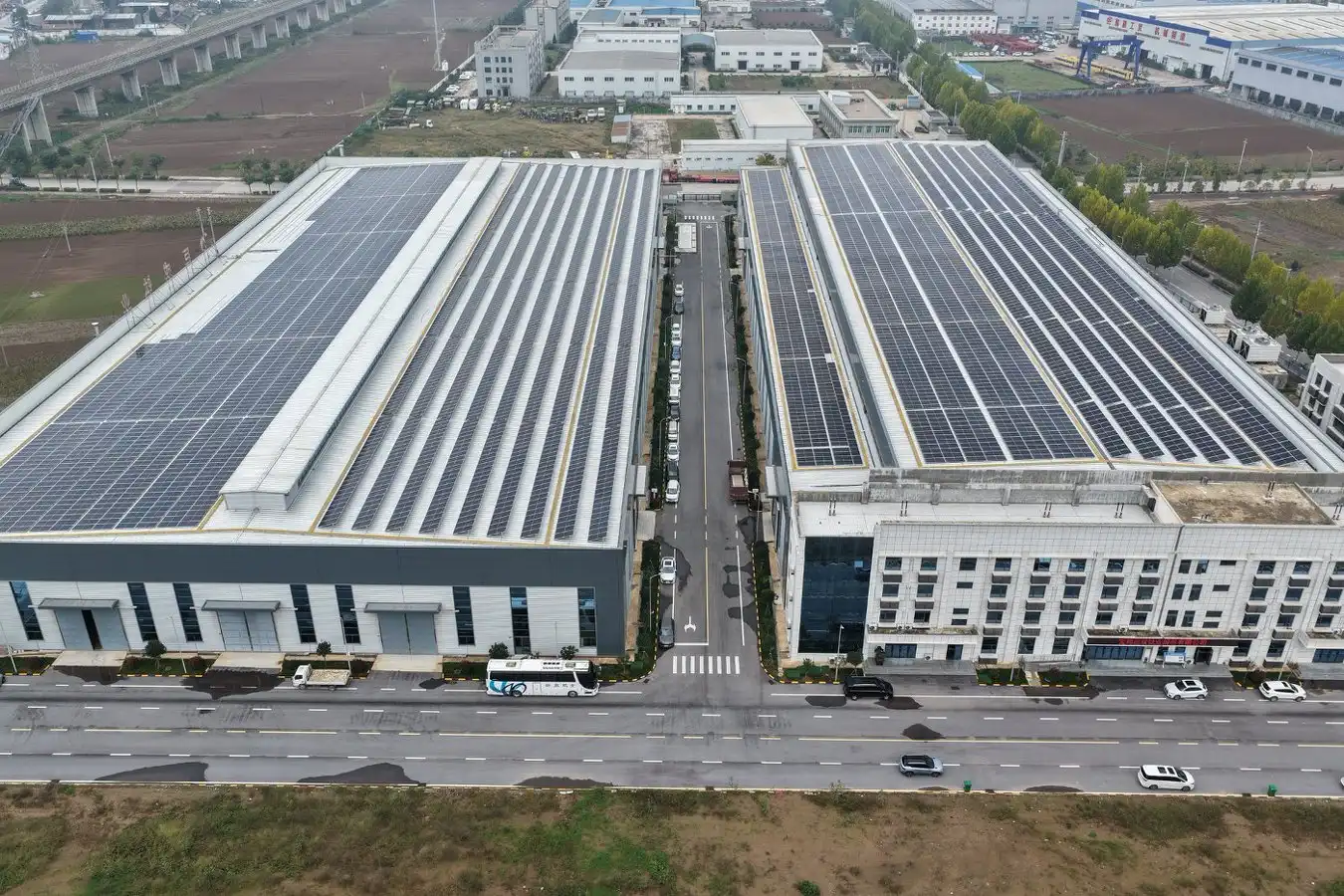
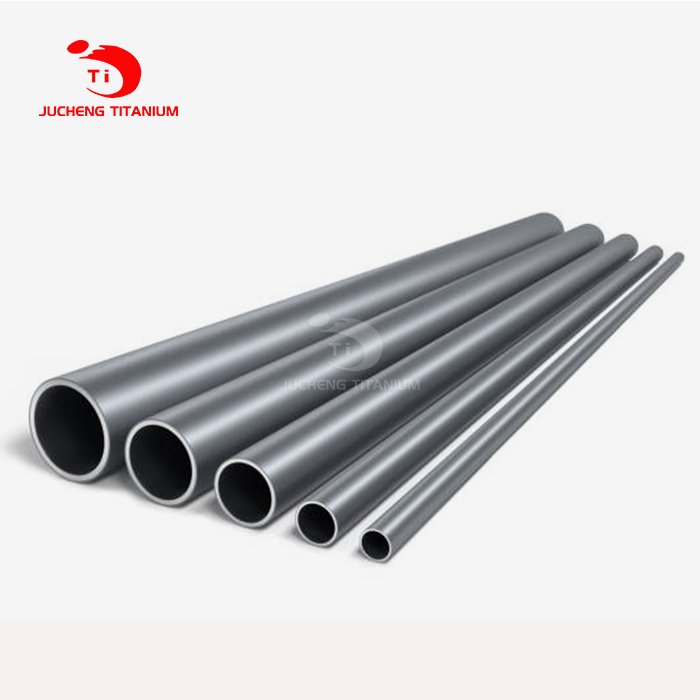
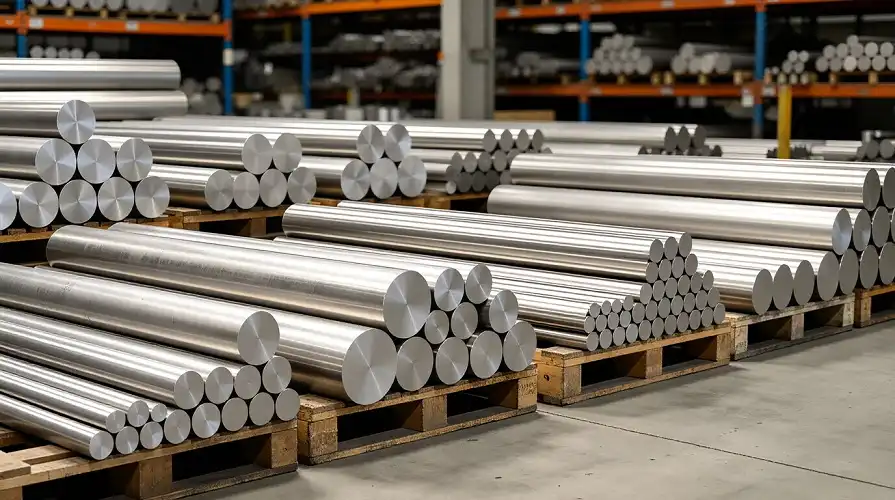
Our team at Jucheng Titanium has been fixing difficult wear resistance problems for over 20 years in the chemical processing, medical device, and aircraft industries. Our stock of a Titanium round Bar is over 3,000 tons, with grades ranging from Gr1 to Gr23 and widths from 6mm to 450mm. These bars are made to meet the standards set by ASTM B348, ASME SB348, and AMS. We keep strict quality control through full vacuum melting, forging, and precise finishing processes as a National High-Tech Enterprise and a national-level "little giant" business. Our expert staff works with clients to choose the best grade, surface treatments, and special sizes that keep costs low and increase wear resistance. We offer approved materials with full traceability paperwork, so you can get bars quickly from stock or have them made to your exact specifications up to 12,000 mm long. Get in touch with our engineering team at s4@juchengti.com to talk about your unique wear resistance needs and find out why top manufacturers trust Jucheng Titanium as their titanium round bar provider.
References
1. Donachie, M. J. (2000). Titanium: A Technical Guide (2nd ed.). ASM International.
2. Lütjering, G., & Williams, J. C. (2007). Titanium (2nd ed.). Springer-Verlag Berlin Heidelberg.
3. Boyer, R., Welsch, G., & Collings, E. W. (Eds.). (1994). Materials Properties Handbook: Titanium Alloys. ASM International.
4. Budinski, K. G. (1991). Tribological properties of titanium alloys. Wear, 151(2), 203-217.
5. Molinari, A., Straffelini, G., Tesi, B., & Bacci, T. (1997). Dry sliding wear mechanisms of the Ti6Al4V alloy. Wear, 208(1-2), 105-112.
6. American Society for Testing and Materials. (2021). ASTM B348-21: Standard Specification for Titanium and Titanium Alloy Bars and Billets. ASTM International.