
Titanium Sheet Production Process Explained
High-quality CP titanium sheet needs precise chemical procedures to balance its shapeability and mechanical strength. A raw titanium sponge or ingot is flat-rolled using controlled melting, hot rolling, cold rolling, heating, and surface treatment. Each process affects the microstructure, which impacts tensile strength, corrosion resistance, and ductility. Understanding this production chain helps procurement experts evaluate vendors and their goods. This is crucial when searching for materials for aerospace, chemical processing, and medical equipment that demand tight traceability and certification.


Understanding CP Titanium Sheets: Definitions and Properties
What Defines Commercially Pure Titanium Sheets
CP titanium sheet products are flat-rolled, non-alloyed items categorised by the proportion of oxygen and iron between the atoms. Titanium alloys with aluminium or vanadium lack the single-phase alpha crystal structure of these materials, making them easier to form than stronger. ASTM B265 sets the rules for production and describes Grades 1 through 4 based on their chemical makeup. Grade 1 is flexible and ideal for deep-drawing since it contains less than 0.18% oxygen. Grade 2 is the most frequent industrial grade since it is reasonably robust and shapeable. Grades 3 and 4 have more oxygen, making them stronger under tension but less flexible when stretched.
Key Mechanical and Physical Characteristics
Store-sold pure titanium has a density of 4.51 g/cm³, making it 45% lighter than stainless steel choices. Grade 2 material has a yield strength of 275 MPa, a tensile strength of 345 MPa, and a stretch value of above 20%. This mix supports both the stability of the structure and the freedom of the fabrication process. The low thermal conductivity of 17 W/m·K makes these sheets suitable for heat exchangers with regulated heat flow. It has excellent corrosion resistance in wet chlorine, nitric acid, and saltwater. This implies it degrades more slowly than carbon steel or aluminium.

Industrial Applications Across Critical Sectors
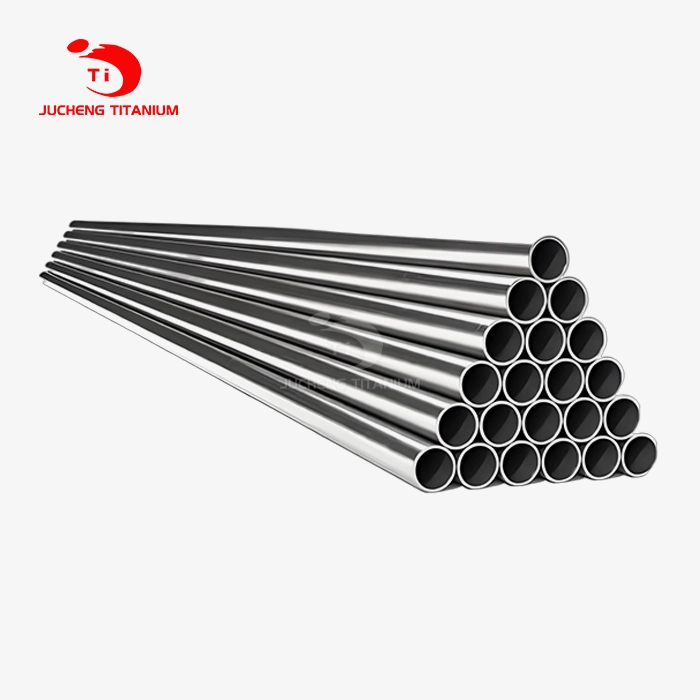
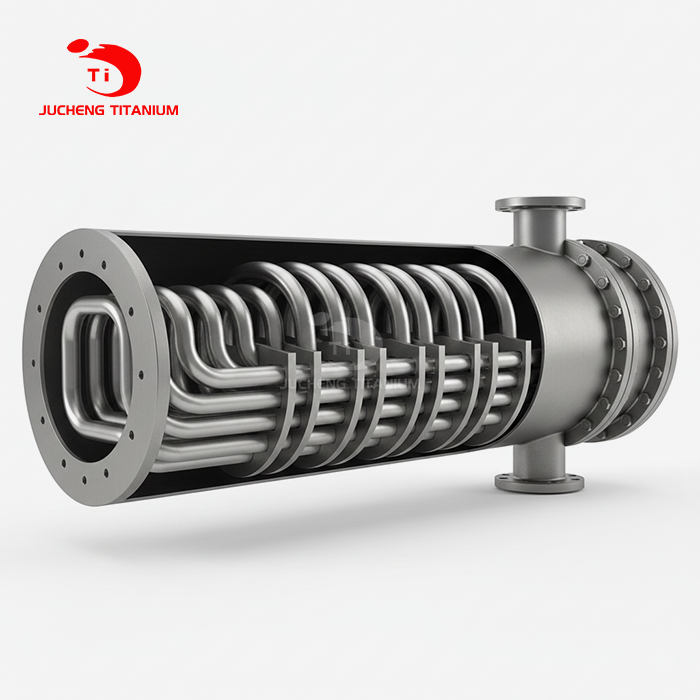
Aerospace manufacturers employ CP titanium sheet products for rust- and light-resistant non-structural parts. In chemical processing facilities, these materials line reactors, heat transfer plates, and pipe systems exposed to hostile media. Biocompatible materials are used to build surgical equipment and implanted device casings. The substance can be cleaned and is inherently inert, thus hazardous leaks are unlikely. Offshore platform workers choose these sheets for equipment and cooling systems that are submerged in water and on top of the platform, because standard alloys don't work well in these areas because of stress corrosion cracking caused by chloride.

The CP Titanium Sheet Production Process: Step-by-Step Breakdown
Raw Material Sourcing and Preparation
The initial stage in making CP titanium sheet is selecting a high-purity titanium sponge or remelted ingot. Suppliers utilise spectroscopic analysis to verify chemical composition and interstitial element levels for the desired grade. Arriving material is checked for contamination or corrosion that might reduce product quality. Sponge material is usually squeezed into electrode form, whereas ingot material melts directly. Each batch comes with material traceability paperwork that sets up the chain of custody needed for medical and aerospace approvals.
Vacuum Arc Remelting and Ingot Formation
Water-cooled, neutral-atmosphere copper containers melt titanium electrodes in vacuum arc remelting. Gaseous impurities are removed, and the ingot's chemical composition is uniform. One or more remelting cycles may be required to achieve purity. This applies particularly to medicinal needs that require limited inclusion. Ultrasonic screening is used to find flaws inside solidified bars, such as porosity or segregation. After acceptance, an ingot is ground to remove surface imperfections. It prevents contamination during the following hot working stage.

Hot Rolling Operations and Thickness Reduction
For maximum flexibility, conditioned bars are heated to 950–1050°C in furnaces. Hot rolling mills reduce the ingot width into intermediate gauge plates over numerous passes. Rolling parameters, including temperature, reduction ratio, and pass plan, affect grain structure and mechanical property distribution. Jucheng Titanium hot rolls 80 mm to middle-sized metal. We can roll metal up to 2500 mm wide for many tasks. Edge trimming and surface scarfing get rid of rust scale and surface flaws between passes, which keeps the quality of the surface high.
Cold Rolling and Precision Gauge Control
Cold rolling helps you get the proper thickness, surface quality, and measurement standards. Cold-cp titanium sheet varieties are simple to deal with and may be thinned without heating. Precision-controlled rolling mills maintain thickness homogeneity within tiny ranges. This is crucial for heat exchangers because consistent wall thickness ensures thermal performance. The surface texture transforms to a mill finish that may be utilised in various commercial contexts. When we do cold rolling, we can accurately control the width to a minimum of 4 mm, which meets the standards of ASTM B265.

Annealing Heat Treatment for Property Optimisation
Annealing removes cold-working stresses and recrystallises the grain to make it flexible. The thickness and deformation of sheets determine how long they remain in controlled-atmosphere ovens at 650–750°C. Cooling rate affects final grain size distribution, mechanical properties, and shapeability. Annealing is important for cold-forming usage since inappropriate heat treatment might cause cracking. Softened material meets client processing needs with the optimum strength-to-workability ratio.
Surface Treatment and Quality Finishing
Finishing the surface is functional and attractive. Using hydrofluoric and nitric acid solutions for acid pickling dissolves oxide scale, showing the base metal surface and making sure it is highly resistant to corrosion. Smooth surfaces determine how effectively medical equipment interacts with living things and how simple they are to clean. Machined surfaces may fulfil coating or glueing roughness criteria. Each surface treatment follows ASTM B265 and AMS 4911-compliant documented processes. This ensures excellent delivery. Sheets are verified after a last coordinate measuring check to ensure width, length, thickness, and flatness.

Comparative Analysis: CP Titanium Sheets vs Other Materials
Grade 2 Versus Grade 5 Titanium Alloy Sheets
The titanium sheet material Grade 2 is rust-resistant and simple to form, while Grade 5 (Ti-6Al-4V) is structurally robust. Its yield strength is 880 MPa, more than Grade 2's 275 MPa. It has 6% aluminium and 4% vanadium. Strength reduces flexibility and makes production tougher. Cp titanium sheet grades are excellent for chemical processing, where corrosion resistance trumps strength. However, aviation structural components need alloy performance. Due to alloying elements and more sophisticated procedures, Grade 5 materials cost 40–60% more than Grade 2 materials.
Performance Comparison with Stainless Steel Sheets
HP titanium sheet goods withstand chloride rust better than even the finest stainless steels, which pit and break. Natural titanium oxide film activity is constant throughout a broad pH range. So there are no concerns about attack techniques that only function in particular places. Another benefit of titanium is its reduced weight compared to 316L stainless steel. Due to titanium's density, similar structures consume 45% less mass. However, raw material costs are 2.5–4 times higher than stainless steel. The increased expense is generally worth it since the product lasts longer and requires less maintenance in hostile chemical or marine conditions, according to a lifecycle study.

Application-Driven Material Selection Criteria
Procurement managers must consider several considerations when choosing sheet materials. The maximum working temperature affects choices since CP titanium sheet retains its properties up to 300°C before oxidation speeds up. Mechanical pressure decides if the CP titanium sheet is strong enough or needs alloy grades. Some metals need unique methods for fabrication, but CP titanium sheet grades may be cold shaped, welded, and machined using ordinary tools. Budget and total cost of ownership influence final decisions. These include materials' original cost and estimated service life, and maintenance.
Procurement Insights: How to Buy CP Titanium Sheets Smartly
Identifying Reliable Supplier Networks
Qualifying vendors for production, quality, and transportation reliability is the first step in CP titanium sheet procurement. The largest corporations maintain AS9100, ISO 13485, and ISO 9001 certifications for aviation supplies, medical products, and general industries. Consider manufacturing capacity, inventory availability, and professional advice when choosing a supplier. Experienced experts give technical assistance during material selection to ensure the grade matches the application. Geographical factors impact lead times and transportation costs; regional distribution networks reduce supply chain delays.
Understanding Pricing Structures and Order Minimums
Grade, thickness, breadth, and quantity determine CP titanium sheet prices. Grade 2 material costs $25–$45 per kilogram, depending on market and specification complexity. Thinner gauges and wider widths cost more due to handling and yield issues. Normal sizes need 500 kilos minimum purchase. Sellers with plenty of product may be able to manage smaller lots at varied pricing. Custom cutting services save customer waste and manufacturing time, but they cost more. Making repeating agreements for common requirements might offer you better discounts and priority when supplies are scarce.
Streamlining the Ordering Process
For procurement to work well, it needs to follow organised processes that start with making sure that technical specifications are clear. Giving clear plans, material standards (ASTM B265, ASME SB265), and quality requirements helps avoid confusion and makes sure the delivery is legal. Sample request methods let you see the product in person before committing to large amounts. This is especially helpful when checking out new sources or looking at materials for important uses. It's important to be clear about lead times because normal mill goods may ship within 4 to 6 weeks, but custom specifications could take 12 to 16 weeks, based on when they are made. To avoid delays or damage during travel, it's important to be clear about delivery terms, packaging standards, and transportation plans.
Leveraging Technical Support and After-Sales Service
Good providers offer ongoing technical support after the initial arrival of materials. With application engineering support, choosing the right materials and handling settings for a specific end use can be made easier. Material certification paperwork like mill test results, third-party inspection papers, and traceability records help make sure quality and follow the rules. Customer service teams that are quick to respond answer questions about the best ways to handle materials, store them, and make things. Complaint settlement processes show that a supplier cares about customer happiness by giving ways to fix problems with quality. Having long-term relationships with sellers who care about their customers' success lowers the risk of buying things and helps with efforts to keep getting better.
Benefits and Challenges of Using CP Titanium Sheets
Competitive Advantages in Demanding Environments
CP titanium sheet products solve important operating problems in many fields. Extreme rust resistance gets rid of the costs of equipment breaking down too soon because of harsh chemicals, and this makes assets last 3–5 times longer than with regular materials. In aircraft and naval uses, being lightweight lowers structure loading, which improves fuel economy and maximises payload capacity. Biocompatibility lets medical devices do things that regular metals can't, like support implantable devices and surgical tools that need to be in touch with flesh for a long time. These performance benefits lead to a lower total cost of ownership, even though the original investment in materials is higher. This is especially true in situations where repair access is limited or downtime costs are high.
Addressing Cost and Fabrication Considerations
The price of the material, titanium, which is expensive because it is hard to remove and process, is still the main thing stopping more people from using it. Projects that need to stick to a budget need a thorough lifecycle analysis to show how the extra money will be used to save money in the long run. Problems with fabrication include lower thermal conductivity, which makes welding harder by focusing heat and possibly distorting the metal. Specialised tools and methods can help you deal with these traits, but they come with their own set of training and equipment needs. Because materials tend to flare when they are being formed, the right oils and die materials are needed to keep the surface from getting damaged. Experienced providers like Jucheng Titanium offer technical advice that covers these fabrication details. This helps customers get the most out of their processing settings and avoid the costly process of trial and error.
Future Trends and Market Developments
More and more, CP titanium sheet powders are being used in additive manufacturing technologies. This makes it possible to make complicated shapes that would not be possible with standard sheet forming. This new discovery makes it easier to build heat exchanges, medical implants, and parts for chemical processes. As titanium makers use more green energy sources and make it easier to recycle, sustainable sourcing projects gain steam. This is because procurement organisations are concerned about the environment. New production technologies, like precise cold rolling and creative surface processes, keep making materials work better and be more cost-effective. By staying up to date on these changes, procurement pros can take advantage of new possibilities and keep the supply chain strong as markets change.

Conclusion
Knowing how CP titanium sheet products are made gives procurement workers the power to make smart sourcing choices that meet technical needs and work within working limits. The steps used to make a product—from choosing the raw materials to vacuum melting, hot rolling, cold rolling, heating, and finishing the surface—determine the features that are important for uses in aircraft, chemical processing, and medical devices. When you compare these materials to titanium alloys and stainless steel options, you can see how their performance and cost levels compare. Strategic buying practices, such as qualifying suppliers, negotiating prices, and working together on technical issues, improve the stability of the supply chain while keeping total ownership costs low. Jucheng Titanium has been making metal products for 20 years and has helped customers in many different industries. They offer approved materials that meet ASTM B265, ASTM F67, and AMS 4911 standards, as well as full expert support and the ability to make metals with thicknesses ranging from 4mm to 80mm.
FAQ
1. What differentiates Grade 1 from Grade 2 commercially pure titanium sheets?
The oxygen level in Grade 1 is smaller than that in Grade 2 (below 0.25%), making Grade 1 cp titanium sheet material softer and better at deep drawing without being as strong. Grade 2 has a yield strength of about 275 MPa, while Grade 1 only has a yield strength of 170 MPa. This makes Grade 2 the usual choice in industry because it balances formability with mechanical performance. Grade 1 material is usually used for applications that need to be very shaped, while Grade 2 material is used for general chemical processing and aircraft parts.
2. How does the production method impact the final sheet quality?
Controlling the manufacturing process has a direct effect on the quality of the surface, the stability of the dynamic properties, and the microstructure. Vacuum arc remelting gets rid of impurities that make the metal less resistant to rust, and controlled annealing processes make the grain structure just right for the strength-to-ductility balance that is wanted. If you don't do the heat treatment right, it can leave behind stresses that make the material unstable or cause it to crack later during the manufacturing process. Tough process paperwork and testing methods make sure that the quality is always the same and meets the standards for aerospace AS9100 and medical ISO 13485 certification.
3. What kinds of credentials should people who work in buying need?
Material certifications should include mill test results that show the chemical makeup and mechanical properties, third-party inspection certificates that show the dimensions are correct, and paperwork that shows how the finished product is linked to the source ingot. Certifications for particular industries, such as ASTM B265 for general uses, ASTM F67 for medical implants, and AMS 4911 for aircraft parts, make sure that regulations are followed. Supplier quality system licenses (ISO 9001, AS9100, and ISO 13485) give customers even more trust in the quality of their work.

Partner with Jucheng Titanium for Reliable CP Titanium Sheet Supply
To find CP titanium sheet products, you need a seller with metallurgical knowledge, flexible production options, and quick customer service. Jucheng Titanium has been in the titanium business for more than 20 years and has 120,000 square meters of production space in China's Titanium Valley in Baoji. We can make Grades 1, 2, 4, 5, 7, 9, and 12 in thicknesses ranging from 4mm to 80mm, widths up to 2500mm, and special lengths up to 10,000mm. All of our products are made to meet the standards set by ASTM B265, ASTM F67, AMS 4911, and ASME SB265. We keep a stockpile of about 3,000 tons of titanium all year long, so we can get goods to you quickly to meet tight project deadlines. Our technical team offers engineering help throughout the whole procurement process, from choosing the right materials to giving you advice on how to make them, so that you get the best results for your application. Get in touch with our experts at s4@juchengti.com to talk about your needs with a reputable CP titanium sheet maker that cares about quality, dependability, and customer satisfaction.

References
1. Boyer, R., Welsch, G., & Collings, E.W. (1994). Materials Properties Handbook: Titanium Alloys. ASM International, Materials Park, Ohio.
2. Donachie, M.J. (2000). Titanium: A Technical Guide, 2nd Edition. ASM International, Materials Park, Ohio.
3. Lutjering, G. & Williams, J.C. (2007). Titanium, 2nd Edition. Springer-Verlag, Berlin Heidelberg.
4. American Society for Testing and Materials (2020). ASTM B265-20: Standard Specification for Titanium and Titanium Alloy Strip, Sheet, and Plate. ASTM International, West Conshohocken, Pennsylvania.
5. Schutz, R.W. & Thomas, D.E. (1987). Corrosion of Titanium and Titanium Alloys. Metals Handbook, Volume 13: Corrosion, ASM International, Materials Park, Ohio.
6. Veiga, C., Davim, J.P., & Loureiro, A.J.R. (2012). Properties and Applications of Titanium Alloys: A Brief Review. Reviews on Advanced Materials Science, Volume 32, Issue 2, pp. 133-148.