
What is the comparison of the Gr1 Titanium Bar with titanium tubes?
When considering Gr1 titanium materials for industrial applications, bars or tubes greatly affect project performance. Gr1 Titanium Tube is suitable for fluid handling in chemical processing and heat exchange systems because of its seamless structure, formability, and consistent corrosion resistance. However, bars are ideal for structural applications that require solid material for machining into specific components or fasteners. They have the same chemical purity and alpha-phase microstructure, but their shape dictates application appropriateness. Understanding these differences helps procurement experts match material shape to operational needs, cost, and manufacturing complexity.
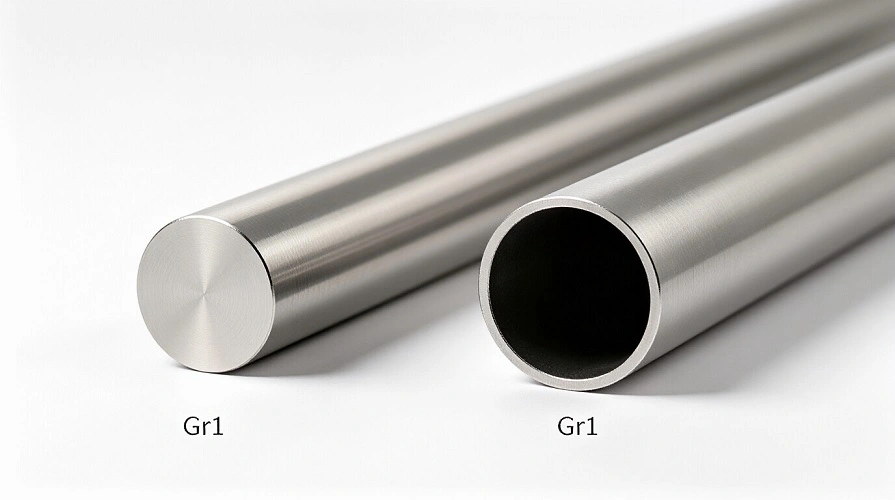
Understanding Gr1 Titanium: Bars vs. Tubes
Gr1 titanium is the purest commercial titanium grade with low interstitial element concentration. With maximum limits of 0.18% oxygen, 0.20% iron, 0.08% carbon, and 0.03% nitrogen, the material is soft and ductile. This low oxygen concentration distinguishes Gr1 from Gr2, giving it better cold-forming properties that are crucial for complicated geometries without intermediate annealing.
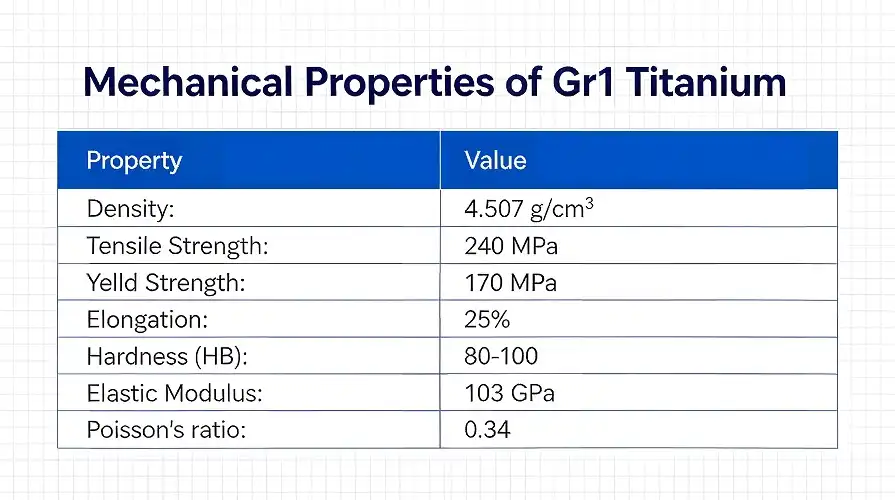
Core Mechanical Properties
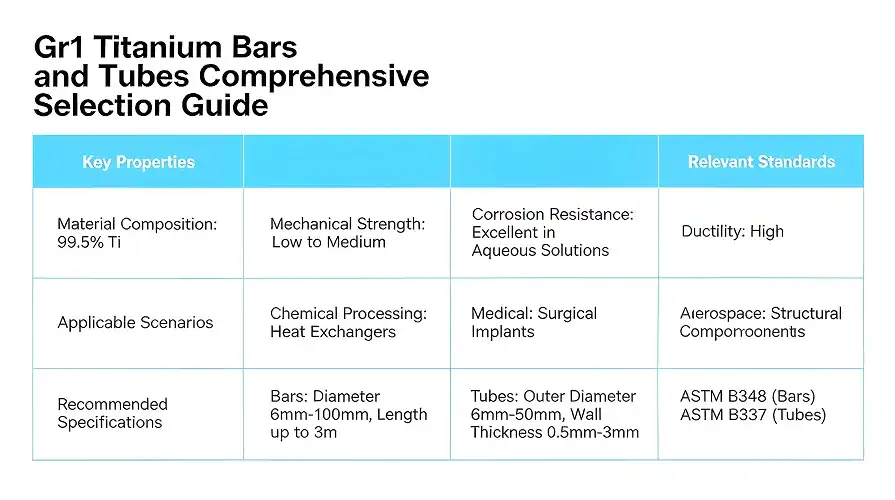
Gr1 titanium bars and tubes have yield strength above 170 MPa and tensile strength above 240 MPa. Elongation exceeds 24% and frequently 30% in annealed circumstances. This ductility allows tight-radius bending and deep-drawing unattainable with higher-grade alloys. A density of 4.51 g/cm³ offers a 45% weight advantage over austenitic stainless steel, while keeping equivalent strength. Mechanical qualities decrease at higher temperatures than Gr5 alloy, while heat resistance stays consistent at 300°C continuous exposure.
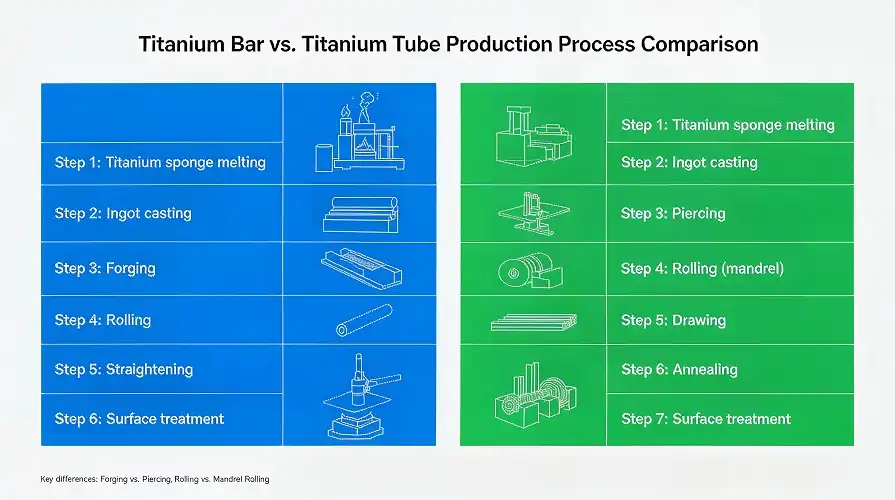
Manufacturing Process Distinctions
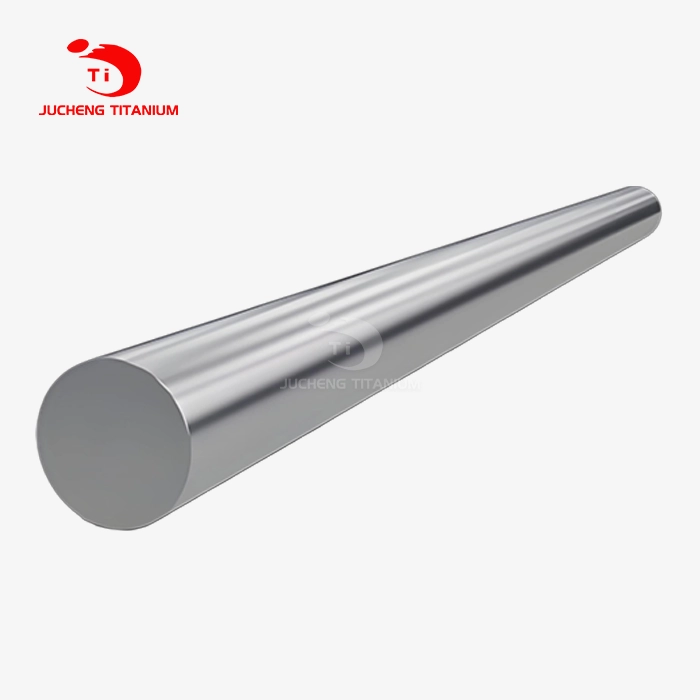
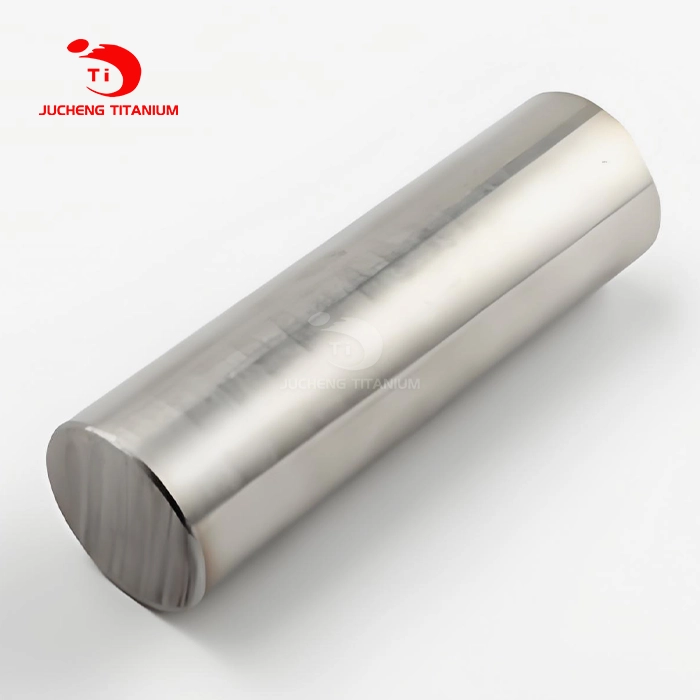
Bars are made by hot forging or rotary piercing cast ingots and hot rolling or extrusion to the specified diameter. The solid cross-section permits numerous reduction passes, tightening h9–h11 dimensions. Precision applications use hot-rolled black scale or centerless ground brilliant finish.
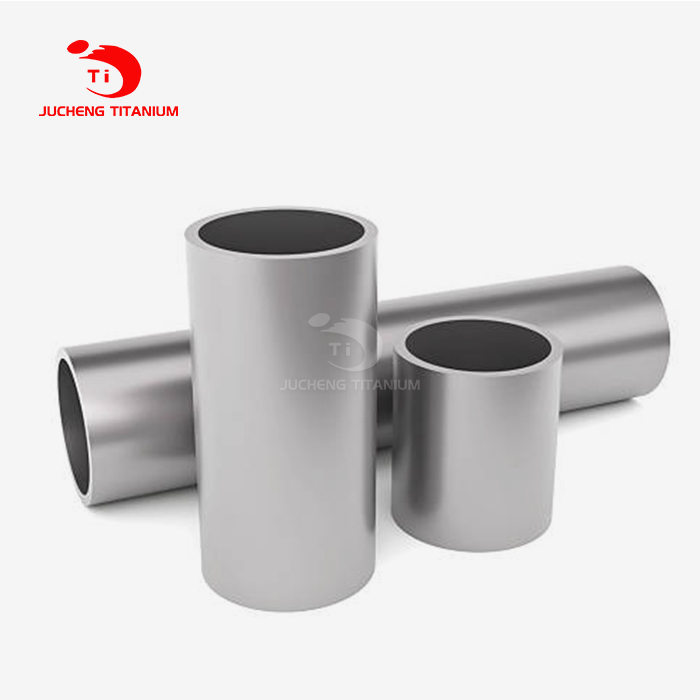
Extrusion or piercing hollow billets, cold rolling, and pilgering provide wall thickness consistency in tube manufacture. Heat-affected zones in welded tubes are eliminated in seamless tube manufacture, keeping mechanical qualities across the circumference. Annealing cycles between cold reductions, pickling to remove oxide scale, and straightening to ASTM B337, ASTM B338, and ASTM B861 requirements are used. Depending on use, outer diameters range from 3 to 219 mm and wall thicknesses from 0.5 to 20 mm.
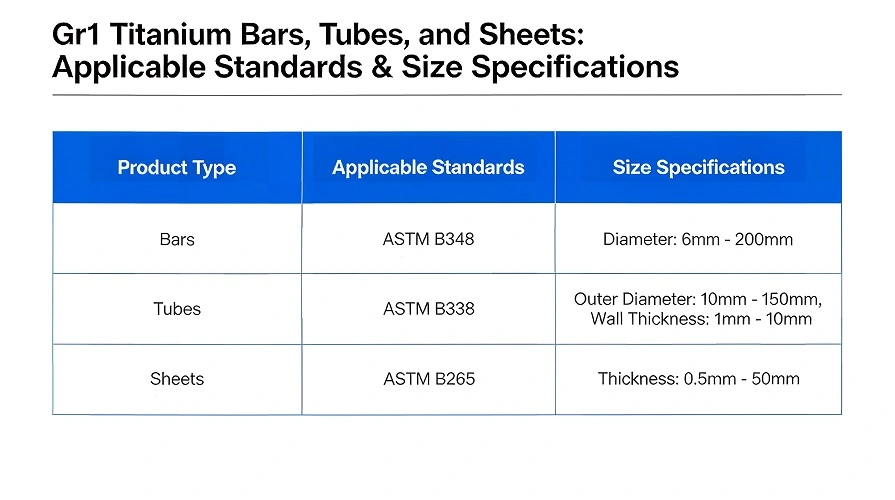
Standard Specifications and Customization
Gr1 bars in stock sizes from 6 mm to 300 mm meet ASTM B348 and AMS 4921 requirements. Custom sizes meet aerospace and medical device needs, but minimum orders apply.
Tubing meets ASTM B337 for welded and seamless tubes, ASTM B338 for condensers and heat exchangers, and ASME SB338 for pressure vessels. AMS 4942 specifies aerospace tubes. Custom dimensions allow novel heat exchanger arrangements, although tooling adjustments increase lead times.
Typical Industry Applications
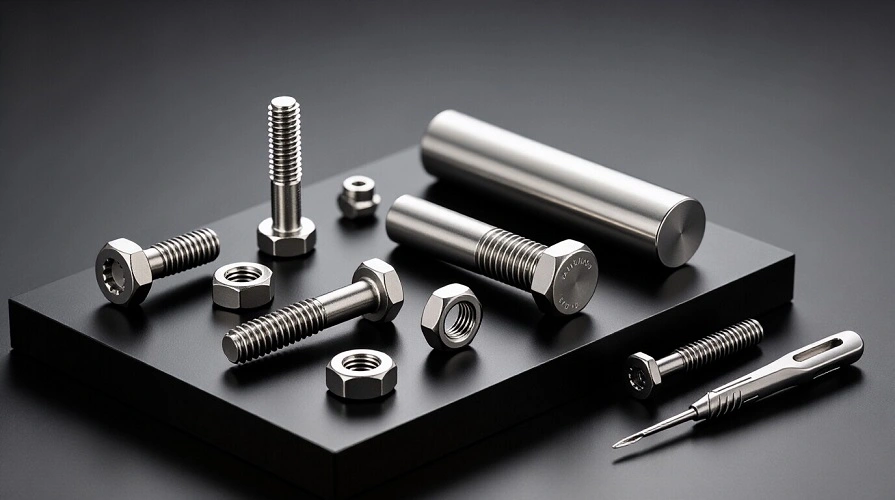
Fasteners, valve stems, pump shafts, and instrumentation pieces are machined from bars. Precision-ground bar stock is used to make surgical tools and dental implants. Airframe brackets and hydraulic fittings are made by aerospace manufacturers for corrosion resistance and weight savings.
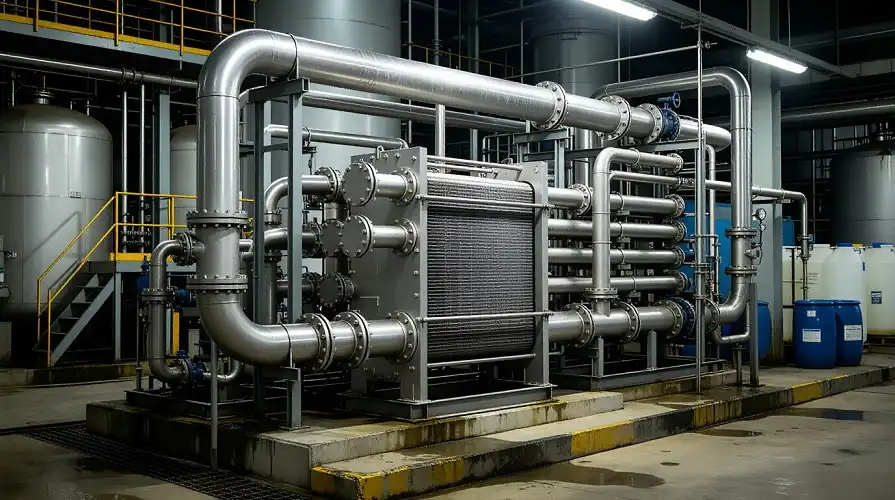
Chemical processing plants use tubes for fluid handling because they resist chlorides, hypochlorites, and organic acids, with corrosion resistant titanium pipe being a common choice for the most aggressive services. Heat exchanger manufacturers specify seamless versions of this tubing for maritime desalination and pharmaceutical condensers and evaporators. A petrochemical equipment integrator installs it in sulfur and ammonium salt-exposed coolers and reboilers. The same material is also used for architectural cladding and structural parts in corrosive coastal areas.
Performance Comparison: Gr1 Titanium Bar vs Gr1 Titanium Tube
Both forms have the same chemical makeup, but geometric configuration affects performance and material choices during engineering design.
Mechanical and Physical Performance Distinctions
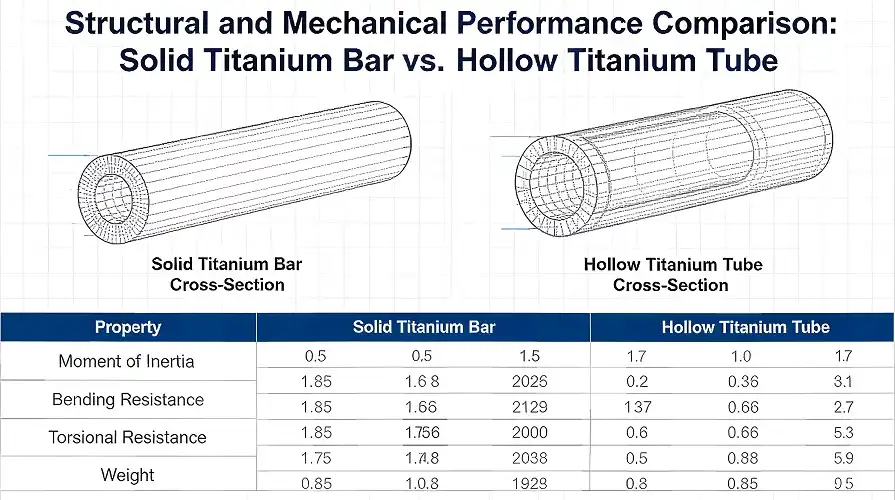
Solid bars can withstand compressive and torsional loads during milling. Lack of interior cavities minimizes wall collapse problems during heavy cuts or high feed rates. Designers may confidently compute stress distributions since tensile characteristics are constant across the diameter.
Tubes maximize section modulus and save weight by distributing material around a hollow core. This shape effectively resists structural frame and pressure vessel bending. Thin walls in heat exchanger tubing require careful handling during installation to avoid denting, but they reduce thermal mass between process fluids, improving heat transfer coefficients. Ductility is excellent if bending operations maintain minimum radius restrictions to prevent outside radius wall thinning.
Corrosion Resistance in Varied Environments
Titanium bar and tube corrosion resistance is equal due to the immediate passive oxide film. Both forms are similarly resistant to chloride ions, acidic pH values below 3, and oxidizing conditions in chemical processing. Marine applications with seawater exposure show no corrosion rate difference between structural bars and coolant tubes.
Crevice corrosion increases when stationary fluid touches tube interior surfaces with low flow velocity. Machining bar stock into solid components eliminates this failure mode. Tubes allow interior cleaning and examination that solid bars cannot.
Weight and Density Considerations
Instead of solid bars, structural engineers developing weight-critical structures use tubes for material economy. Despite having identical bending stiffness, a 50 mm tube with a 5 mm wall thickness weighs far less than a bar. Every kilogram reduced from major aeronautical or maritime structures saves fuel or increases cargo capacity.
Despite a higher beginning weight, bar stock is cheaper for machined features that reduce considerable material volume. The solid cross-section eliminates scrap from useless tube cores, simplifying material usage calculations during cost estimates.
Customization and Machinability Factors
Bar stock may be turned, milled, drilled, and threaded with carbide tooling. The continuous material channel allows aggressive depth of cut and feed rates restricted only by machine stiffness and tool wear. Multi-axis CNC programming creates complex shapes without a hollow section breakthrough.
Tubes are complicated when machining changes the wall thickness or creates structural weaknesses. Cutting, bending, and welding thin-wall sections requires careful fixturing to avoid distortion. To guarantee full-penetration joints, tube ends must be squared and deburred before welding. Simple tube-to-fitting welding is generally faster than cutting fluid channels from bar stock, especially for large-diameter piping systems.
Market Comparison: Gr1 Titanium Tube vs Other Material Alternatives
When performance allows, procurement personnel can defend titanium selection or find cost-effective replacements by understanding competitor materials.
Gr1 Titanium vs Stainless Steel Tubes
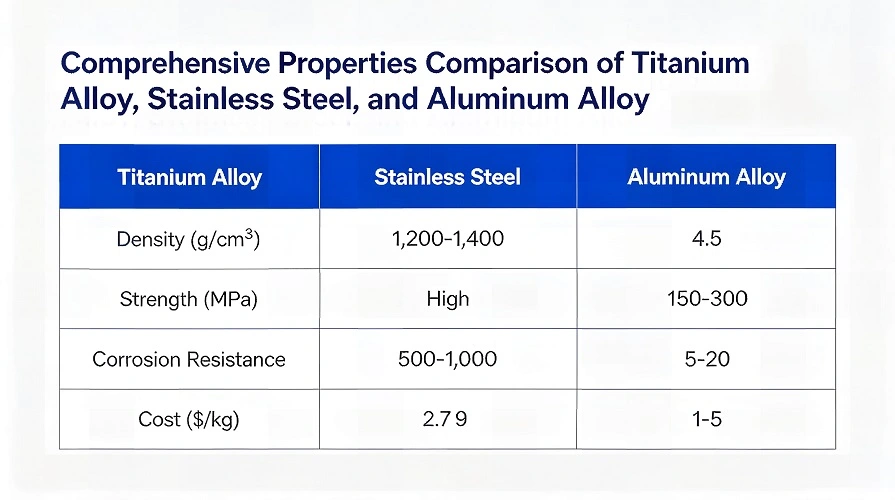
Austenitic stainless grades like 316L are corrosion-resistant and cost around one-third as much as Gr1 Titanium Tubes. However, chloride stress corrosion cracking restricts stainless steel service life in coastal or chemical conditions where titanium is immune. Titanium's 45% weight reduction is crucial in mobile equipment and offshore platforms with compound structural stresses. In compact exchangers, titanium's reduced thermal mass improves heat transfer coefficients, whereas stainless steel's better thermal conductivity helps cryogenic applications.
Comparison with Other Titanium Grades
The oxygen concentration of Gr2 titanium tubes (0.25% maximum against 0.18% for Gr1) increases strength by 15% but decreases ductility. Gr1 and Gr2 procurement depends on design requirements for formability or strength, with little price difference.
Gr5 (Ti-6Al-4V) alloy is suitable for high-stress aircraft constructions because of its tensile strength above 900 MPa. Compared to commercially pure grades, aluminum and vanadium add high cost and reduce corrosion resistance. Gr5 tubes are rarely used in chemical processing until mechanical stresses surpass Gr1.
Alternative Lightweight Metals
Designers use aluminum alloys for non-corrosive conditions due to their cheaper cost and density advantage over titanium (2.7 g/cm³ vs. 4.51 g/cm³). Aluminum's galvanic corrosion with different metals and weak acidic performance restrict its usefulness. However, magnesium alloys have lesser density and less strength and environmental resistance. Despite cost premiums of 3-5 times that of aluminum, titanium's small weight, strength, and corrosion immunity make it a distinctive performer.
Procurement Insights: Buying Gr1 Titanium Bars and Tubes for B2B Clients
Strategic Gr1 titanium material sourcing entails knowing price, supplier qualities, and logistical factors that affect overall purchase cost.
Pricing Structures and Cost Factors
Gr1 titanium prices follow base metal markets with processing, testing, and certification premiums. Simpler manufacturing makes bars cheaper per kilogram than tubes, although final component costs depend on resource usage. Volume commitments unlock pricing levels; purchases above 500 kg are negotiated. Stock prices are 15-25% more for custom sizes due to tooling and lead times. Premiums are charged for wall thickness tolerances below ±0.1 mm or unique surface treatments, indicating stricter quality control.
Identifying Certified Suppliers
Reliable titanium suppliers have ISO 9001 and industry-specific certifications like AS9100 for aerospace or ISO 13485 for medical equipment. Every shipment should include material test reports (MTRs), including chemical composition and mechanical qualities for downstream certification. Compared to wholesalers buying from different sources, suppliers with mill facilities offer quality consistency and delivery reliability. Companies with 3,000+ tons of inventory are financially stable and can complete huge projects on time.
Ordering Logistics and Lead Times
Standard-size tubes and bars from known vendors ship in 2-4 weeks, assuming inventory. Material procurement, processing, testing, and finishing take 8-16 weeks for custom requirements. Supplier minimum order quantities range from 100 kg for conventional sizes to 500 kg for bespoke dimensions. Export papers, freight forwarding, and customs clearance add 3-6 weeks to travel, depending on destination. Established logistical agreements and proactive communication methods with global supply chain manufacturers reduce these problems.
Making the Right Choice: When to Select Gr1 Titanium Bar or Tube
Project planning considers engineering requirements, manufacturing processes, and lifetime economics while choosing material forms.
Application-Based Selection Criteria
In fluid handling systems that require corrosion-resistant pipework, tubes are preferred. Tubes are ideal because of their continuous flow channel, simplicity of welding tube-to-fitting connections, and low pressure drop. While bar stock consumes more material, fasteners, valve bodies, and pump shafts need solid material.
Structures benefit from tube specifications where bending loads dominate, and weight reduction is significant. Compressive pressures, twisting, and complicated machining procedures favor solid bars. Heat exchangers always use tubes to increase surface area per weight and heat transmission.
Real-World Case Studies
A petrochemical equipment manufacturer switched from 316L stainless steel to Gr1 Titanium Tube condenser tubes after chloride-contaminated cooling water caused premature failures. Despite 4X material cost increases, maintenance intervals increased from 18 months to almost 10 years, reducing lifetime costs. Previous designs had weld seam corrosion, but the seamless tube removed that.
An aircraft component provider uses Gr1 bar stock's superior machinability and corrosion resistance in hydraulic fluid conditions to produce hydraulic manifold blocks. Solid bars allow complicated intersecting passageways unattainable with tube assemblies while retaining structural integrity under cyclic pressure levels of 20 MPa.
Long-Term Value and Sustainability
Titanium's unlimited service life in well-designed applications avoids replacement cycles. Total cost of ownership calculations improve considerably when the initial cost premium spreads over decades of maintenance-free operation. Titanium's end-of-life recyclability offers environmental benefits recognized in corporate sustainability projects. Where geometry allows, tubes over bars decrease material consumption and environmental consequences while providing functional equivalency, connecting procurement decisions with corporate goals beyond cost minimization.
Conclusion
Application requirements, manufacturing processes, and lifespan economics must be considered while choosing Gr1 Titanium Tube bars and tubes. In structural and machined components that need solid material, bars flourish, whereas tubes dominate fluid handling and heat exchange systems that value weight efficiency and internal flow routes. Both forms have excellent corrosion resistance, biocompatibility, and mechanical qualities from equal chemical purity. Partnering with experienced manufacturers with wide product ranges, technical assistance, and reliable worldwide logistics benefits procurement experts. These distinctions enable educated judgments that improve performance and reduce costs across varied industrial sectors.
FAQ
Q1: What are the main advantages of Gr1 titanium tubes over bars?
Distributing material around a hollow core maximizes section modulus and minimizes bulk in tubes, improving structural weight efficiency. High surface-area-to-weight ratios simplify heat exchanger design and allow corrosion-resistant fluid management. Seamless production eliminates corrosion-prone weld seams.
Q2: How does Gr1 titanium compare to stainless steel in corrosion resistance?
Gr1 titanium resists chloride stress corrosion cracking that shortens stainless steel service life in marine and chemical conditions. The passive oxide coating resists pitting in oxidizing acids where stainless steel fails, justifying material cost increases in important applications.
Q3: Can I order custom-sized Gr1 tubes for aerospace applications?
AMS 4942-compliant custom dimensions fulfill aeronautical needs with full material traceability and certification. Minimum order quantities and longer lead times apply based on specification complexity, needing 8-16 weeks for delivery.
Partner with Jucheng Titanium for Your Gr1 Titanium Tube Requirements
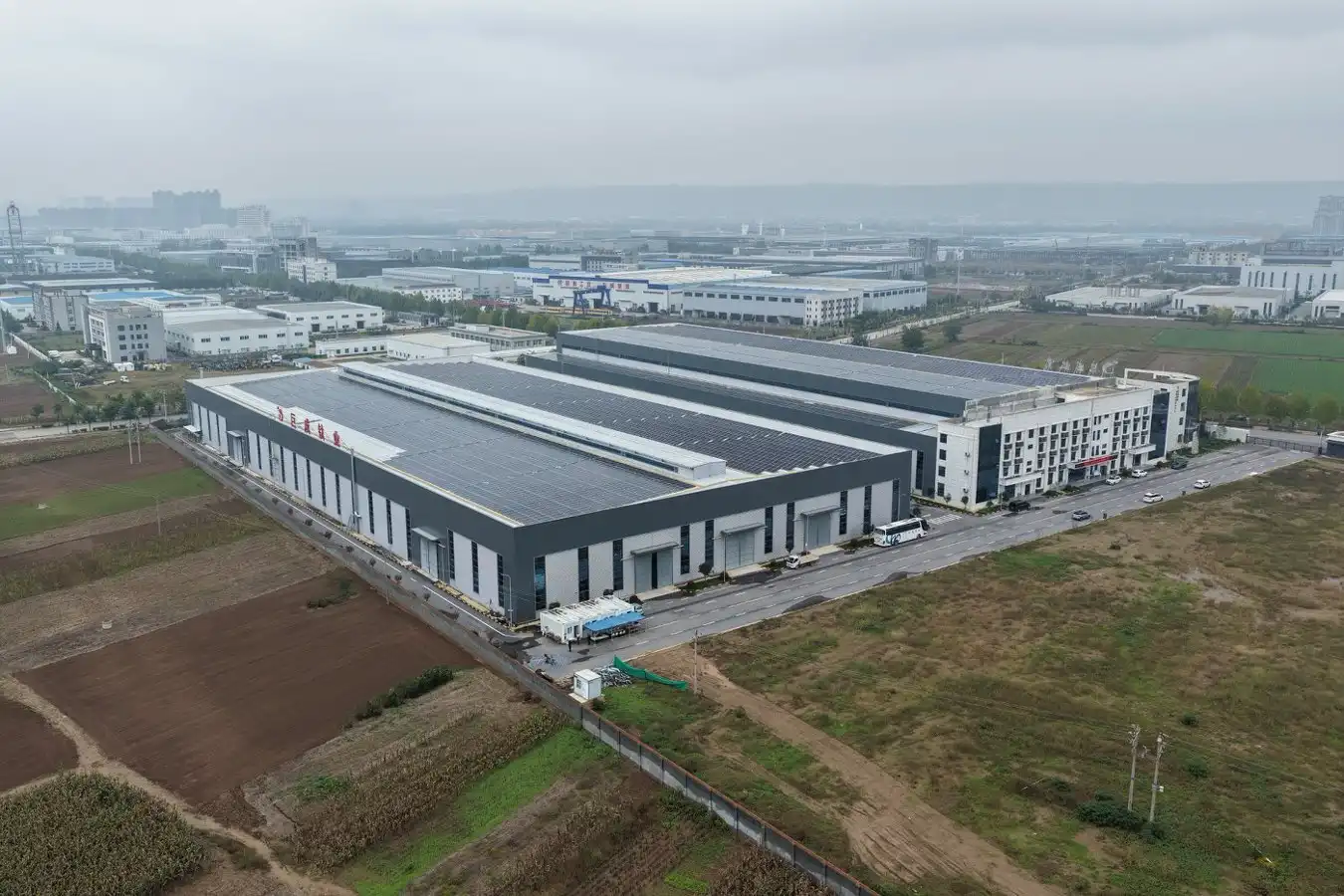
Baoji Jucheng Titanium Industry stands as your trusted Gr1 Titanium Tube manufacturer, delivering over 20 years of deep industry expertise from China's Titanium Valley. Our National High-Tech Enterprise status and specialized "little giant" recognition reflect our commitment to quality and innovation. With 3,000 tons of titanium inventory maintained year-round, we ensure rapid delivery of seamless tubes from OD3 to OD219 mm, meeting ASTM B337, ASTM B338, and AMS 4942 standards. Our advanced processing capabilities, encompassing extrusion, cold rolling, and precision finishing, deliver annealed, pickled, or bright surface conditions tailored to your specifications. Whether you require standard dimensions or custom solutions for aerospace, chemical processing, or heat exchanger applications, our technical team provides comprehensive engineering support throughout procurement and implementation. Contact us at s4@juchengti.com to discuss your specific requirements and experience the reliability that has driven our 30% annual growth trajectory while serving global clients across North America, Europe, and Southeast Asia.
References
1. Boyer, R., Welsch, G., and Collings, E.W. (1994). Materials Properties Handbook: Titanium Alloys. ASM International, Materials Park, Ohio.
2. Schutz, R.W. and Watkins, H.B. (1998). "Recent Developments in Titanium Alloy Application in the Energy Industry." Materials Science and Engineering: A, Vol. 243, Issues 1-2, pp. 305-315.
3. Donachie, M.J. (2000). Titanium: A Technical Guide, 2nd Edition. ASM International, Materials Park, Ohio.
4. ASTM International (2021). ASTM B338-21: Standard Specification for Seamless and Welded Titanium and Titanium Alloy Tubes for Condensers and Heat Exchangers. West Conshohocken, Pennsylvania.
5. Lutjering, G. and Williams, J.C. (2007). Titanium, 2nd Edition. Springer-Verlag, Berlin Heidelberg.
6. Peters, M., Kumpfert, J., Ward, C.H., and Leyens, C. (2003). "Titanium Alloys for Aerospace Applications." Advanced Engineering Materials, Vol. 5, No. 6, pp. 419-427.