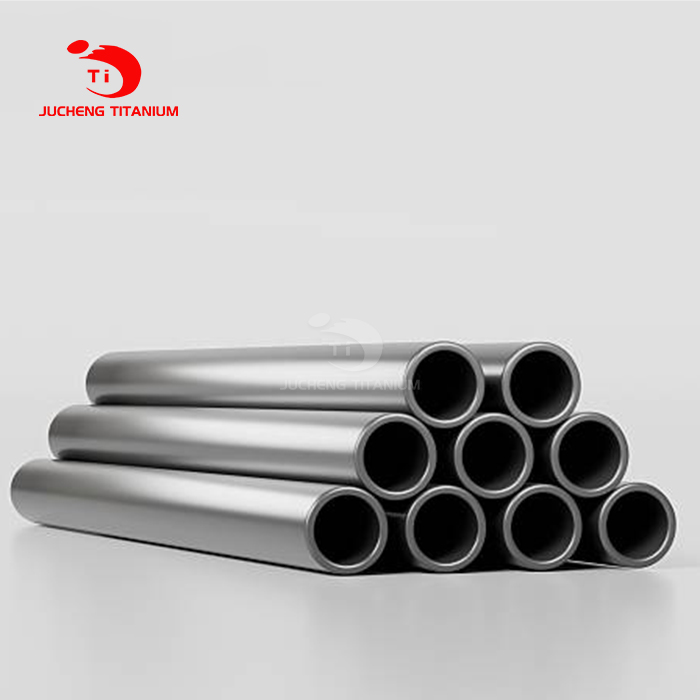

Why Is Gr2 Titanium Tube Popular in Chemical Plants?
When managers of chemical plants have to deal with equipment breaking down over and over again because of rust, the subject of material choice always comes up. Gr2 Titanium Tube has become the best option for dealing with problems that keep coming up in harsh chemical environments where other materials consistently fail. Gr2 Titanium Tube is popular because it can stop expensive shutdowns caused by pitting rust, stress cracking, and equipment breaking down too quickly. Gr2 Titanium Tube forms a self-healing oxide layer that protects against a wide range of chemicals, unlike stainless steel or copper-nickel alternatives that are easily damaged by chloride attack and acidic conditions. This reliability has a direct effect on operational uptime and maintenance budgets.
Understanding Gr2 Titanium Tube: Properties and Specifications
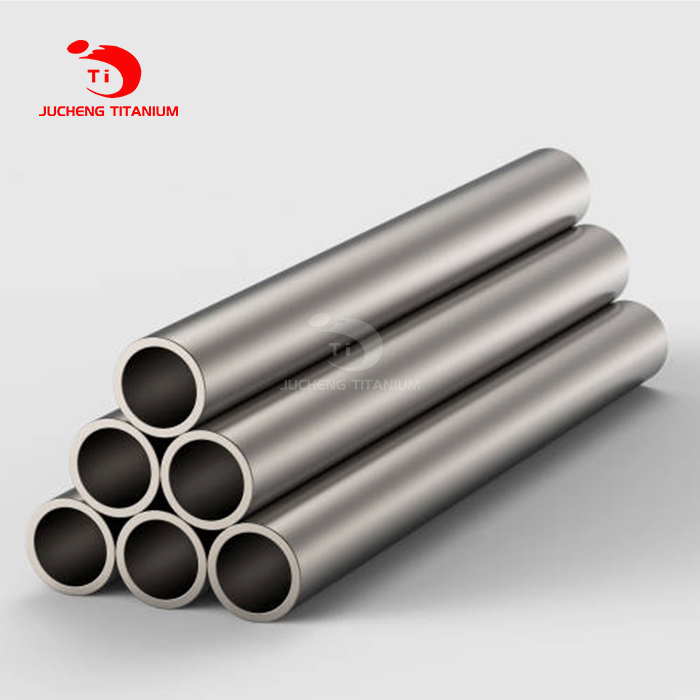
Gr2 Titanium Tube is the industry standard for uses that need to be resistant to corrosion. It can be identified by its alpha-phase crystalline structure, which has at least 99% titanium content. A yield strength of about 275 MPa is reached by the material, and it is also very flexible. This makes it perfect for fabrication and long-term use.

Material Composition and Standards Compliance
Gr2 Titanium Tube has tightly managed trace elements, with an iron content below 0.30%, an oxygen content below 0.25%, and a nitrogen content limited to 0.03%. This makes sure that the metal's mechanical qualities and resistance to rust stay the same. Manufacturing follows strict international standards like ASTM B338, ASTM B337, ASTM B861, AMS 4942, and ASME SB338, which give purchasing teams quality standards they can check. Manufacturers who are approved must follow these rules for dimensional limits, surface finish standards, and mechanical testing methods.

Manufacturing Process and Quality Assurance
There are several precise steps in the production process. First, extrusion shapes the tube, and then cutting makes the hollow profile. The process of cold rolling improves the surface quality and makes the dimensions more accurate. The annealing heat treatment makes the metal more flexible and reduces internal stresses. Acid pickling gets rid of surface oxides, and straightening makes sure the shape is correct. You can get tubes that have been annealed, pickled, or bright, and the surface can be polished, machined, or acid-pickled. Outside widths range from 3 mm to 219 mm, and wall thicknesses range from 0.5 mm to 20 mm. Custom specs are also possible for specific uses. When you use seamless construction, there are no weak spots in the welds, which is important for keeping the structure's integrity under thermal stress and repeated loads.

Mechanical Properties Relevant to Chemical Processing
The material is very easy to shape, so heat exchangers and reactor coils can be made in a lot of different ways without losing their structural integrity. Tensile strength is usually between 340 and 450 MPa, which is good enough for mild pressure uses. The ability to stretch more than 20% lets tubes be bent and formed, which is necessary for making tools. It stays stable at temperatures from very cold (cryogenic) to around 300°C, which is hot enough to be used in most chemical processing environments without losing many of its properties.
Why Gr2 Titanium Tube Excels in Chemical Plant Applications
Chemical processing settings pose problems with materials that make traditional choices useless because they break down faster. Gr2 Titanium Tube has been able to last in these tough conditions, which shows that it has basic benefits in both corrosion protection and operating costs.
Superior Corrosion Resistance Mechanisms
When exposed to air, the protective titanium dioxide film forms right away, making a shield that is only a few nanometres thick but very good at stopping chemical attack. When this passive layer gets hurt, it heals itself instantly, so it keeps protecting without needing any extra coatings or upkeep. Stainless steel is resistant to oxidising acids like nitric acid, chromic acid, and aqua regia, which break down metals quickly. Seawater, brine solutions, and chlorinated solvents are not very dangerous because they don't contain chloride. This means that nickel alloys and austenitic stainless steels don't have to deal with pitting and crevice corrosion. It works well even when there are reducing acids around, and when there are oxidising agents around, which opens up more uses.

Mechanical Durability Under Operating Conditions
Gr2 Titanium Tube's high strength-to-weight ratio makes it possible to build pressure vessels and pipe systems with thinner walls than with heavy metals while still meeting pressure ratings. This weight reduction makes it easier to place in areas with limited room and reduces the number of supports that are needed. The thermal expansion properties are very similar to those of common building materials. This means that thermal stress at connection points is kept to a minimum when temperatures change. Fatigue resistance helps systems last longer when they are subjected to vibration, pulsating flow, or thermal cycling, all of which are common in chemical plants and make brittle materials break faster.
Long-Term Cost Efficiency Factors
Even though the original cost of the materials is higher than for carbon steel or basic stainless grades, a lifecycle study shows that there are big economic benefits. In acidic media, materials can last for decades without needing to be replaced, while normal materials only need to be replaced every 3 to 7 years. Maintenance needs drop by a huge amount—protective coats don't need to be replaced as often, and checking for rust isn't as important. Cutting down on downtime directly leads to more production, which means less lost revenue when equipment breaks down. By getting rid of rust limits in the design process, walls can be made thinner, which helps balance out higher material costs and makes thermal equipment more efficient at moving heat.
Gr2 Titanium Tube vs. Other Materials: Making the Right Choice
Choosing the right material depends on how well its performance characteristics match up with the needs of the process and the available budget. By understanding comparison benefits, you can tell when the use of Gr2 Titanium Tube is necessary.
Comparison with Higher-Grade Titanium Alloys
Grade 5 titanium (Ti-6Al-4V) is very strong—its yield strength is close to 880 MPa—so it is needed in aircraft and high-stress structural uses. But chemical companies don't need this level of strength very often, and the big price difference (usually two to three times the price of Gr2 Titanium Tube) is hard to explain. Grade 1 titanium is a little easier to shape but a little weaker, so it's good for very complicated designs. Gr2 Titanium Tube, on the other hand, has good enough mechanical properties for most industrial tubular uses. Specialised types, such as Grade 7 (which contains palladium) and Grade 12 (which contains molybdenum and nickel), make it more resistant to corrosion in some reducing acid conditions, but they come at a higher cost and should only be used for very harsh jobs.
Stainless Steel Performance Limitations
Austenitic stainless steels (304, 316, and 316L) are common picks for chemical work because they don't rust easily and don't cost too much. But chloride levels above 200 ppm cause pitting and stress corrosion cracking, especially when temperatures are high. The duplex and super duplex types are better at withstanding chloride, but they are still not as strong as Gr2 Titanium Tube. Also, the higher amounts of nickel and molybdenum in them make the materials much more expensive. Stainless steel systems usually need to be inspected for corrosion damage on a regular basis and replaced every so often. These costs add up over the life of the equipment. Because stainless steel is heavier than titanium (about 1.75 times denser), it needs more support and is harder to install.

You can email our technical team at s4@juchengti.com to talk about your application needs, ask for material certifications, or set up a sample evaluation. We offer quick support that keeps your projects on track and your operations running smoothly.
Nickel Alloys and Specialized Materials
Hastelloy, Inconel, and other similar nickel-based alloys don't rust when exposed to more chemicals than stainless steel does, even strong reducing acids. The material is much more expensive than Gr2 Titanium Tube, and it doesn't help much in oxidising or salt conditions, where titanium does well. It is possible to use copper-nickel alloys in seawater, but they erode and corrode quickly and don't hold up well against acids. Exotic materials like zirconium or tantalum are very good at resisting rust in hydrofluoric acid and other very active media where Gr2 Titanium Tube fails. However, their high cost means that they can only be used in situations where there is no other option.
Procuring Gr2 Titanium Tubes: What B2B Buyers Should Know
Comparing prices isn't the only thing that needs to be done to successfully buy materials. The capabilities, quality systems, and technical support of the supplier must also be carefully evaluated to make sure that the delivered products meet application requirements and arrive on time.
Supplier Qualification and Certification Requirements
Specific certifications, such as ISO 9001:2015 and pressure equipment directives (PED for European markets), show stricter oversight. ISO certification is a basic way to make sure that quality management systems work. Every shipment should come with a material test report (MTR) that lists the chemical composition, mechanical properties, and measurements. These reports should be able to be tracked back to specific heat numbers. Third-party inspection services that offer testing, witnessing, measurement verification, and paperwork review boost trust for important uses. Suppliers that have been around for a while keep in touch with approved testing labs so that they can do extra checks when the specifications call for them.

Customization Capabilities and Lead Time Considerations
Standard tube sizes are useful for many things, but process equipment often needs special sizes. Manufacturers who have their own facilities, like Baoji Jucheng Titanium Industry's 120,000-square-meter building, can handle non-standard lengths, wall thicknesses, and outer sizes without having to wait for outsourcing to be completed. What kind of inventory is available has a huge impact on project timelines. Suppliers who keep a lot of stock (Jucheng keeps about 3,000 tonnes) can quickly meet urgent needs. Production wait times for custom orders depend on how complicated the order is, but they are usually between 6 and 12 weeks. However, makers with a lot of experience and dedicated titanium processing lines can often cut these times down. Communication about the state of production, quality hold points, and shipping plans is very important for planning a project, especially when working with building dates.

Pricing Structures and Volume Advantages
Gr2 Titanium Tube prices are based on the cost of the raw materials, how hard the process is, and how many orders are placed. When buying in small amounts on the spot market, the prices are higher, but when you make a supply deal with a promise of volume, the prices are lower. By making production more efficient and lowering setup costs, ordering in bulk lowers the cost per unit. However, buyers must weigh the price benefits against the costs of keeping inventory. Changes in currencies affect foreign purchases, so it's important that the contract spells out clearly when prices are valid and how much you have to pay. To accurately compare different suppliers and buying strategies, a total cost study should include freight, security, customs taxes, and the possible costs of keeping inventory.
Case Studies and Applications in Chemical Plants
Performance records from real-world settings show how well the material works in real-world settings, showing both successful uses and the lessons that can be learned from difficult methods.
Heat Exchanger and Condenser Applications
Gr2 Titanium Tube heat exchangers used in chlor-alkali plants have been stable for decades in places where stainless steel ones had to be replaced every 5 to 7 years. Copper-nickel systems had problems with rust and corrosion, but shell-and-tube condensers that cool seawater have tubes that don't break down much after 20 years of use. An important installation at a petrochemical plant replaced corroded stainless steel tubing with Gr2 Titanium Tube in an overhead condenser. This changed the maintenance schedule from once a year with lots of tube plugging to once every five years with little work needed. Gr2 Titanium Tube allows for thinner walls, which increases heat transfer coefficients by about 15%. This made the equipment lighter and more energy efficient.

Reactor and Process Vessel Components
Using Gr2 Titanium Tube coils to heat and cool chemical reactors keeps process temperatures stable in acidic media without worrying about leakage or breakdown. When a pharmaceutical company switched from using stainless steel coils that needed to be replaced every 18 to 24 months to using Gr2 Titanium Tube coils, they had no coil failures across multiple reactors. Gr2 Titanium Tube-made internal piping and sparger systems keep corrosion products from contaminating high-purity processes. This is very important for pharmaceutical, food-grade, and electronic chemical applications where the quality of the product depends on how well the materials work together.
Conclusion
Chemical processing has long preferred Gr2 Titanium Tube because it has been shown to last longer than other options while also lowering total ownership costs. Self-renewing corrosion protection, mechanical longevity, and lightweight building are some of the material benefits that help solve basic problems in harsh chemical environments. When making purchasing decisions, it's helpful to know about specification standards, how different materials perform, and the skills of suppliers that guarantee on-time delivery of goods. As chemical plants try to run their operations for longer periods of time with less maintenance, Gr2 Titanium Tube is a material that can help them reach their goals. It should be specified for both new construction and retrofit applications where corrosion has historically limited equipment life.

FAQ
1. How does Gr2 Titanium Tube compare to 316L stainless steel for chloride service?
Gr2 Titanium Tube is not affected by chloride-induced pitting or stress corrosion cracking at temperatures and concentrations that break down 316L stainless steel very quickly. Gr2 Titanium Tube stays strong in saturated brine at high temperatures, while stainless steel breaks down above 60°C when chloride levels reach 200 ppm or more. This means that corrosion-related problems don't happen, which saves money on repairs and prevents unplanned shutdowns.
2. What verification methods confirm material quality before installation?
The makeup and mechanical properties of a material can be traced back to the production heats in material test records. Positive material identification (PMI) with portable XRF analysers checks the quality of the alloy as soon as it arrives. Dimensional inspection makes sure that the product meets the requirements, while surface examination finds damage from handling or mistakes in the manufacturing process. For important uses, it might be necessary to do hydrostatic testing or non-destructive testing, like ultrasonic testing, to make sure the integrity of the seamless tube before installing it.
3. Does the higher initial cost of titanium tubes make it worth specifying for projects at chemical plants?
When it comes to acidic uses, lifecycle cost research usually points to Gr2 Titanium Tube. The initial cost of materials is two to four times higher than for stainless steel, but it usually lasts twenty to thirty years compared to five to ten years for other materials. Getting rid of replacement campaigns, lowering maintenance work, and not losing production when equipment breaks down all lead to returns that cover initial costs within the first few years of operation, and cost savings continue into later decades.
Partner with a Proven Titanium Tube Manufacturer
When purchasing teams need solid Gr2 Titanium Tube, they should work with well-known companies that have a large inventory, the ability to customise, and well-documented quality systems. Jucheng Titanium has been in the titanium business for more than 20 years and keeps 3,000 tonnes of material on hand for quick delivery. They also do custom fabrication to meet exact specifications. Our factory makes titanium tubes that meet the standards set by ASTM B338, ASTM B337, and ASME SB338. These tubes can be made in a smooth construction and have outer widths ranging from 3mm to 219mm and wall thicknesses ranging from 0.5mm to 20mm. Custom sizes can also be made to fit specific needs. Our quality management systems and technical skills help meet the strict needs of chemical processing as a National High-Tech Enterprise and specialised "little giant" business. You can email our technical team at s4@juchengti.com to talk about your application needs, ask for material certifications, or set up a sample evaluation. We offer quick support that keeps your projects on track and your operations running smoothly.

References
1. American Society for Testing and Materials. "Standard Specification for Seamless and Welded Titanium and Titanium Alloy Tubes for Condensers and Heat Exchangers." ASTM B338-19, 2019.
2. Schutz, R.W. and Watkins, H.B. "Recent Developments in Titanium Alloy Application in the Energy Industry." Materials Science and Engineering A, vol. 243, no. 1-2, 1998, pp. 305-315.
3. Covington, L.C. "The Influence of Surface Condition and Environment on the Hydriding of Titanium." Corrosion Journal, vol. 35, no. 8, 1979, pp. 378-382.
4. International Titanium Association. "Guidelines for Design with Titanium: Chemical Processing Equipment Applications." Technical Manual, 3rd edition, 2015.
5. Donachie, Matthew J. "Titanium: A Technical Guide." ASM International, 2nd edition, 2000, pp. 89-142.
6. Cotton, J.B. "The Role of Titanium in Aggressive Chemical Environments: Performance and Economic Considerations." Process Industry Corrosion Conference Proceedings, NACE International, 2012, pp. 234-256.