
Why Is Gr9 Titanium Tube Ideal for Lightweight Structures?
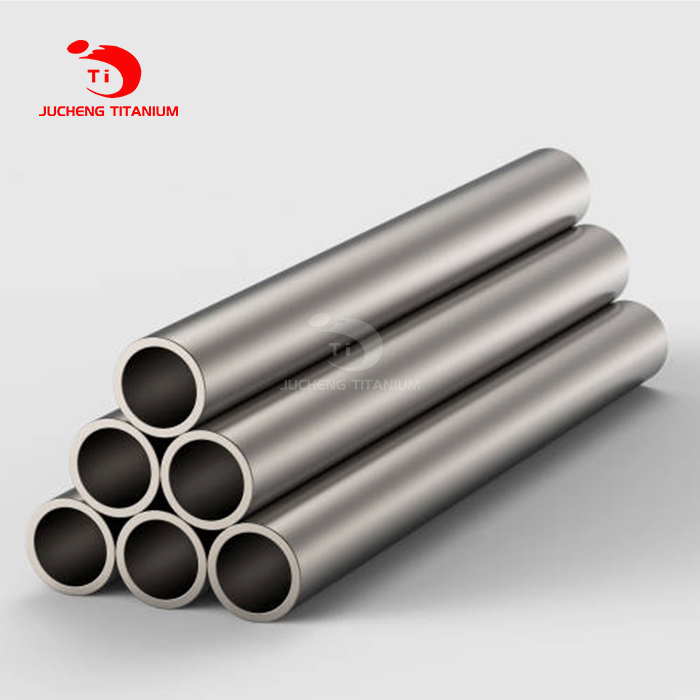
In the field of lightweight structural engineering, Gr9 Titanium Tube stands out because it has a high strength-to-weight ratio, is very easy to shape, and is resistant to corrosion. The technical name for this near-alpha alloy is Ti-3Al-2.5V. It fills the performance gap between commercially pure titanium grades and the stiffer Grade 5 grades. Because of this balance, it is the best choice for hydraulic systems in spacecraft, high-performance bicycle frames, and industrial equipment where lowering weight directly affects fuel efficiency, payload capacity, and cost savings.

Understanding Gr9 Titanium Tube: Properties and Composition
The perfectly matched metals that make up Gr9 are what make it work. When mixed with titanium, the metal has a tensile strength of over 620 MPa while still being flexible enough for complex shaping processes. It is made up of about 3% aluminum and 2.5% vanadium. This mix solves a problem that has been around for a long time: commercially pure grades aren't strong enough for high-pressure uses, and Grade 5 titanium is hard to cold-work into seamless tubing.
Chemical Composition and Alloying Elements
The aluminum presence makes it stronger and lighter, and the vanadium stabilizes the beta phase during production, which makes it easier to bend and weld. This two-part method lets the material be extruded, pierced, and cold rolled without micro-cracking. This is very helpful for making seamless tubes with outside sizes from 3 mm to 219 mm and wall thicknesses from 0.5 mm to 20 mm. In factories like ours, steps like annealing, pickling, and straightening are used to make sure that the dimensions and surface quality are correct.

Key Mechanical Properties
Gr9 Titanium Tube has a minimum yield strength of 483 MPa and an elongation value that is usually between 10 and 15%. This means that engineers can make buildings with thinner walls without losing safety. The material's density of 4.48 g/cm³ makes it much lighter than stainless steel or nickel alloys. In load-bearing uses, it can cut structure mass by up to 40%. Its fatigue resistance stays strong at temperatures up to 315°C, which makes it ideal for places where temperatures change quickly.
Corrosion Resistance Through Heat Treatment
The annealed and pickled surface states that are usually required for these tubes help passive oxide layers form, which protect them from pitting corrosion in salty seas and chloride-filled factories. This natural security means that no coatings are needed on the outside, which cuts down on upkeep times and costs over the product's lifetime. The material is certified and meets strict standards like ASTM B337, ASTM B338, ASTM B861, and AMS 4942. This makes sure that it can be tracked and meets the requirements for certification that aerospace and defense procurement teams need.

Why Gr9 Titanium Tube Excels in Lightweight Structural Applications
There are three main things that procurement managers look at when choosing materials for buildings that are sensitive to weight: the strength-to-weight ratio, how long the material will last under cyclic loads, and the total cost of ownership. All three of these problems are better solved by Gr9 Titanium Tubes than with other materials.
Comparison with Alternative Materials
Stainless steel is cheaper up front, but it weighs almost twice as much as titanium for the same strength, which means it uses more fuel in transportation applications. Aluminum is a great way to save weight, but it doesn't work well at high temperatures or prevent corrosion as other metals do in chemical processing settings. Inconel superalloys are better at withstanding heat, but they are three times as dense and cost a lot more to make. These trade-offs are shown in the table below:
Material Performance Benchmarks:
- Gr9 Titanium: Density 4.48 g/cm³, Tensile Strength 620 MPa, Operating Temperature 315°C, Seawater Corrosion Rating Excellent
- 316 Stainless Steel: Density 8.0 g/cm³, Tensile Strength 515 MPa, Operating Temperature 400°C, Seawater Corrosion Rating Moderate
- 6061 Aluminum: Density 2.7 g/cm³, Tensile Strength 310 MPa, Operating Temperature 200°C, Seawater Corrosion Rating Poor
- Inconel 625: Density 8.44 g/cm³, Tensile Strength 827 MPa, Operating Temperature 650°C, Seawater Corrosion Rating Excellent

Grade Selection: Gr9 versus Gr5
Grade 5 (Ti-6Al-4V) has a higher absolute strength, but it is harder to shape, which makes it more expensive and difficult to make seamless tubing with tight bend radii. Gr9 Titanium Tube keeps its strength well enough for most structural uses while also being better at cold working, which lowers the rate of rejection during fabrication. Because of this, it is the most cost-effective choice for aircraft hydraulic lines that meet AMS 4943 standards. In these cases, tubes must be turned into complicated shapes without losing their pressure ratings.
Real-World Application Cases
In aerospace, hydraulic systems that use Gr9 seamless tubing are 45% lighter than steel versions. This directly improves the fuel economy of airplanes. Because the material is flexible, it can be routed through tight aircraft areas without the need for extra fittings. This cuts down on possible leak spots and the amount of upkeep that needs to be done. These tubes are used in chemical processing plants in heat exchangers that are exposed to seawater and acidic condensates. Titanium's rust resistance lets the walls be thinner, which increases heat transfer rates by 18% compared to copper-nickel alloys. Manufacturers of high-performance bicycles use Gr9's fatigue life properties to make frames that absorb road shaking while keeping the frame's structural sturdiness. Compared to aluminum or carbon fiber composites, these frames should last forever.

Procurement Considerations for Gr9 Titanium Tubes
When looking for seamless titanium tubing, you need to pay attention to the qualifications of the supplier, their production capabilities, and the logistics of the supply chain. Material consistency has a direct effect on the integrity of the structure, which makes choosing a vendor an important risk management decision.
Evaluating Supplier Credentials
Manufacturers who are certified should show that they follow ISO quality control systems and give test records for materials that can be linked to specific heat lot numbers. For certain processes, aerospace providers need to be NADCAP-accredited, while sites used for medical devices need to be FDA-registered. We've been in business for 20 years in Baoji, China's titanium valley, and have been recognized as a National High-Tech Enterprise and a specialized "little giant" business. We have 4 idea patents and 41 utility model patents that are directly applied to production processes. This way, we can be sure that improvements in manufacturing lead to better product performance.
Pricing Dynamics and Lead Times
The market price for Gr9 seamless tube is based on the cost of raw materials, the difficulty of production, and the number of orders. When you buy more than 500 kg in bulk, you can usually get volume discounts of 8–15%. However, if you need non-standard diameters or surface finishes, you may have to pay extra for the tools to make them. Our plant keeps an inventory of about 3,000 tons of titanium in a variety of grades. This lets us quickly fill normal orders within 10 to 15 business days. Custom orders that need specific heat treatments or size tolerances usually take between 4 and 6 weeks from the time the order is placed until it is shipped.

Customization and Technical Support
Through customizable extrusion and cold-rolling settings, seamless tube production can meet a wide range of needs. Engineers can choose outer diameters from 3 mm to 219 mm and wall thicknesses from 0.5 mm to 20 mm based on weight and pressure requirements. Surface treatments like grinding, polishing, and acid pickling are clean enough for use in semiconductor, pharmaceutical, and food processing industries. Our technical team works with customers to choose the right materials and test prototypes to make sure that design assumptions are correct before starting full-scale production.
Comparison and Decision-Making: Selecting the Ideal Titanium Tube Grade
Material selection is more than just looking at its mechanical properties. It also takes into account the total cost of ownership, which includes the costs of buying, installing, maintaining, and replacing the asset over its useful life.
Performance Versus Cost Analysis
Gr2 commercially pure titanium is less expensive than Gr9 Titanium Tube and has better corrosion resistance, but its tensile strength is only 345 MPa, so walls need to be thicker to get the same pressure ratings. This takes away the benefits of lighter materials and could make thermal equipment less efficient at moving heat. Grade 5 has a minimum tensile strength of 895 MPa, but it costs 25–30% more than Grade 9 and is harder to work with. The best grade strikes a mix between technical needs, the ability to be processed, and cost concerns.
Lifecycle Cost Considerations
Even though Gr9 tubing costs more than stainless steel to buy at first—usually three to four times as much per kilogram—the lighter it is, the less support it needs and the lower the cost of the foundation. In chemical processing, the material doesn't rust, so it doesn't need to be replaced as often as steel heat exchangers do, which may need to be fixed up every 5 to 7 years. Aerospace uses the value of the fuel savings that come from reducing weight over the 25–30 year service life of an airplane, which creates an appealing return on investment even though the materials are more expensive.

Application-Specific Selection Criteria
Aerospace hydraulic systems that work at 3,000 psi need Gr9's power and ability to be bent, so it can't be skipped, no matter how much it costs. Gr2 can work well for industrial heat exchangers that deal with fairly acidic media below 250°C. Gr9 Titanium Tube should only be used for high-stress connections. Gr9's ability to dampen vibrations is good for structural bicycle frames, which is why performance-oriented customers are willing to pay more. Material experts and procurement teams should work together to make a picture of practical pressures, environmental exposure, and fatigue cycles against grade capabilities.
Ensuring Optimal Use and Future Trends in Titanium Tubing
To get the most out of titanium tubing's service life and performance, it's important to follow handling guidelines and stay up to date on new production technologies.
Best Practices for Installation and Maintenance
Gr9 titanium tube's surface oxide layer protects against rust, but it can be damaged by contamination during welding or by being hit by something sharp. To keep the metal from becoming weak, welding should be done in an atmosphere of inert gases, with filler metals that are the same makeup as the base material. During production, don't touch carbon steel tools because iron pickup creates galvanic corrosion sites. Checking tube supports and mounting clamps on a regular basis can stop fretting wear, especially in setups that are prone to shaking. Cleaning the surface with mild detergents keeps the oxide's integrity without adding chloride residues that could cause stress corrosion cracking to start.

Emerging Manufacturing Technologies
More and more, additive manufacturing is used to make titanium parts with complex internal shapes that can't be made with traditional tube making. Powder bed fusion methods make lattice structures that are stiffer and lighter, but at the moment, they can only be used in low-volume aircraft uses because of the speed at which they can be made. Advanced cold spray coating methods deposit titanium on different substrates, allowing hybrid structures that combine materials that are best at doing certain jobs. We can use these new ideas as soon as they are ready for sale because we work with research institutions like Tsinghua University and the Northwest Institute for Nonferrous Metal Research.
Industry Adoption Patterns
Titanium is being used more and more in aerospace because composite airframes need hydraulic and environmental control systems that don't rust. Titanium is being used more and more for cable tubes and risers in subsea oil and gas production because it can handle the pressure and corrosion that come with working at depths. Titanium is used by medical device makers to make minimally invasive surgery tools because it is strong, biocompatible, and resistant to sterilization. Based on these trends, demand is expected to keep growing at a rate of more than 5% per year until 2030. This will allow the supply chain to make investments in quality and capacity systems.

Conclusion
Gr9 Titanium Tube is the best combination of strength, formability, and resistance to corrosion for lightweight structural uses in chemical processing, aircraft, and high-performance industry equipment. Its balanced makeup gives it mechanical properties that are better than widely pure grades while still keeping the cold-working properties that are needed to make seamless tubes. The people who work in procurement can make better choices that lower the total cost of ownership if they know where the material stands in comparison to options like stainless steel and aluminum. Working with skilled makers who offer technical support, a large inventory, and quality standards is the best way to make sure you have a steady supply of materials that meet your strict operating needs.
FAQ
1. What Makes Gr9 Different from Other Titanium Grades?
Gr9 contains 3% aluminum and 2.5% vanadium in it, which makes it 40% stronger than commercially pure titanium while still being flexible enough to be formed into complex tubes. This makes it different from Gr5, which is stronger but hard to shape when cold, and Gr2, which is easy to shape but not strong enough for high-pressure uses.
2. How Does Corrosion Resistance Compare to Stainless Steel?
Titanium's passive oxide layer protects against chloride-induced pitting and fissure rust better than 316 stainless steel in acidic and seawater settings. Gr9 Titanium Tube keeps this resistance while cutting weight by more than 40%, which makes it perfect for marine and chemical handling equipment.
3. What Lead Times Should Procurement Teams Expect?
Standard versions of seamless tubes that are already in stock usually ship within 10 to 15 business days. For custom orders with non-standard sizes, heat processes, or surface finishes, it takes 4 to 6 weeks to make, check for quality, and get approval paperwork.
Partner with Jucheng Titanium for Reliable Gr9 Titanium Tube Supply
Baoji Jucheng Titanium Industry Co., Ltd. has been processing titanium materials for more than 20 years and has 45 patents that are closely related to manufacturing developments. As a National High-Tech Enterprise with 3,000 tons of inventory, we can quickly fill orders for standard seamless tubing and make special parts to meet the needs of aircraft, chemical processing, and industrial equipment. Our quality systems meet the requirements of ASTM B338, AMS 4942, and ISO. They give global procurement teams the certification and traceability records they need. Get in touch with our technical experts at s4@juchengti.com to talk about your needs for a lightweight structure and get specific quotes from a reliable Gr9 Titanium Tube manufacturer that is dedicated to engineering greatness.

References
1. Boyer, R., Welsch, G., & Collings, E.W. (1994). Materials Properties Handbook: Titanium Alloys. ASM International.
2. Donachie, M.J. (2000). Titanium: A Technical Guide (2nd ed.). ASM International.
3. Peters, M., Kumpfert, J., Word, C.H., & Leyens, C. (2003). Titanium Alloys for Aerospace Applications. Advanced Engineering Materials, 5(6), 419-427.
4. Schutz, R.W. & Watkins, H.B. (1998). Recent Developments in Titanium Alloy Application in the Energy Industry. Materials Science and Engineering: A, 243(1-2), 305-315.
5. American Society for Testing and Materials. (2021). ASTM B338-21: Standard Specification for Seamless and Welded Titanium Alloy Tubes for Condensers and Heat Exchangers. ASTM International.
6. Aerospace Material Specification. (2019). AMS 4943: Titanium Alloy Tubing 3Al-2.5V Annealed. SAE International.