
Gr5 Titanium Tube with Excellent Fatigue Resistance
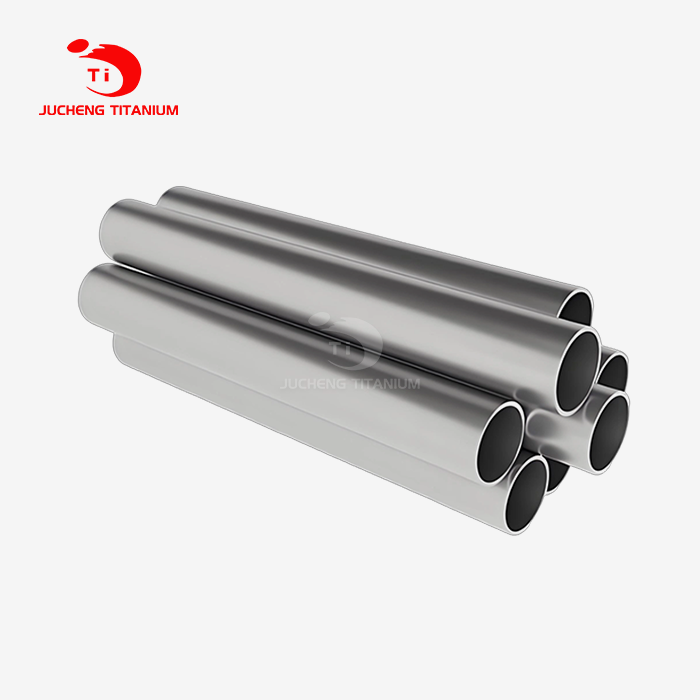
When aerospace engineers face recurring structural failures or chemical equipment designers struggle with premature tube cracking, the problem often traces back to inadequate fatigue resistance in their material selection. Scientists call the Gr5 Titanium Tube, which is made of Ti-6Al-4V alloy, a proven way to deal with these problems because it has a high strength-to-weight ratio and can withstand cyclic stress well. The microstructure of this alpha-beta titanium alloy, which is made up of 6% aluminum and 4% vanadium, can withstand millions of load cycles without cracking. This solves the major problem where traditional materials fail in high-stress, repetitive loading environments in the aerospace, chemical processing, and industrial machinery sectors.

Understanding Gr5 Titanium Tube and Its Superior Fatigue Resistance

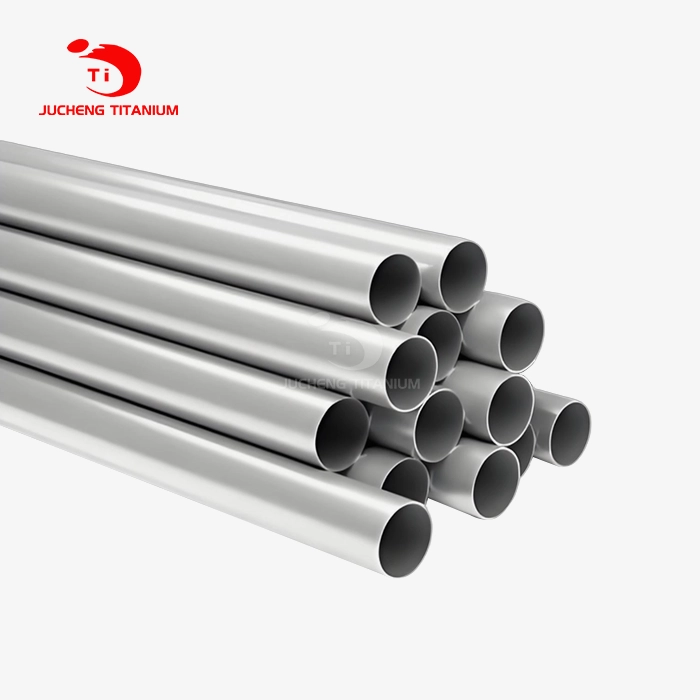
The Ti-6Al-4V alloy is a planned metallurgical design. Aluminum stabilizes the alpha phase, and vanadium improves the beta phase. This creates a two-phase microstructure that stops stress cracks from starting and spreading. Using extrusion, piercing, and cold rolling methods, our seamless production process makes tubes with outside diameters from OD3 mm to OD219 mm and wall thicknesses of 0.5 mm to 20 mm that meet ASTM B337, ASTM B338, ASTM B861, AMS 4942, and ASME SB338 standards. This seamless design gets rid of the weld gaps that are often stress spots, making the fatigue life much longer than with welded options.

Mechanical Properties Driving Fatigue Performance
The maximum tensile strength of the material is over 895 MPa, and the yield strength is over 828 MPa. This makes it much stronger than commercially pure types like Gr2. Ti-6Al-4V alloy tubes have a density of about 4.43 g/cm³, which makes them 45% lighter than steel tubes of the same size while still having the same or higher stress durability limits. The annealed state, which is reached by carefully heating the metal, pickling it, and then bending it, makes the grain as flexible and resistant to stress as possible. This process makes an equalized alpha-beta grain structure that spreads stress evenly during cyclic loading. This stops localized strain accumulation that can cause cracks to form.

Corrosion Resistance Enhancing Long-Term Durability
In addition to being strong, the alloy forms a stable titanium dioxide passive film when it comes into contact with air or water. This oxide layer constantly grows back if it gets broken, making it very resistant to pitting, crevice corrosion, and stress corrosion cracking, which are types of failure that make fatigue cracks grow faster in aluminum and stainless steel. Tubes keep their shape in chloride-rich areas, acidic chemical processing streams, and high-temperature oxidizing atmospheres up to 400°C, where other materials break down quickly. This rust layer protects the smooth surface finish that is needed for fatigue resistance. This is important because surface flaws can cause cracks to form when the load is applied and removed over and over again.

Comparing Gr5 Titanium Tube with Alternative Materials for Fatigue-Critical Applications
For uses that are sensitive to wear, choosing the right Gr5 Titanium Tube material means finding a balance between mechanical performance, resistance to the environment, weight limits, and lifecycle economics. Ti-6Al-4V alloy tubes are in a special place in this choice matrix because they have qualities that can't be found in any other material.
Performance Against Stainless Steel
Although 316L stainless steel tubes are less expensive and better at resisting corrosion, their yield strength of about 215 MPa is much lower than the Ti-6Al-4V alloy's 828 MPa. Under the same cyclic loading, stainless steel parts need much larger cross-sections to have the same fatigue life. This means that the cost benefits are lost because they require more material and weigh more. When chemical equipment makers replace stainless steel heat exchanger tubes with smooth titanium ones, the time between repair shutdowns is three to five times longer, and the total cost of ownership is lower for titanium, even though it costs more up front.

Advantages Over Aluminum Alloys
Aerospace-grade aluminum alloys, such as 7075-T6, can save weight and be easily machined, but they aren't as strong and don't work well at high temperatures. Aluminum's ability to resist fatigue decreases a lot above 150°C, which limits its use in high-temperature exhaust systems and propulsion parts. Ti-6Al-4V alloy, on the other hand, keeps its full mechanical properties up to 400°C. Because titanium metal doesn't rust, it doesn't need a protective coating, which makes processing more difficult and adds possible weak spots to aluminum structures. Manufacturers of aircraft parts like titanium because it can be used for both structural load-bearing and fluid-handling tasks without swapping materials. This makes supply lines easier to manage and reduces the complexity of inventory.
Economic Considerations Versus Superalloys
Nickel-based superalloys, such as Inconel 625, are stronger at temperatures above 500°C, but they cost two to three times as much to make and are much denser than the Ti-6Al-4V alloy. For uses below 400°C, titanium tubes offer the same or better resistance to fatigue while being lighter and less expensive. Titanium is easier to machine than nickel alloys that harden over time. This cuts down on the time it takes to make things and the wear and tear on tools, which further improves the overall cost of manufacturing. When purchasing tubing for chemical reactors, condensers, and pressure vessels, procurement managers find that Ti-6Al-4V alloy strikes the best balance between performance needs and budget constraints for service conditions at moderate temperatures.
Procurement and Supply Chain Insights for Gr5 Titanium Tubes
To make good sourcing plans, you need to know about the methods for manufacturing, quality control, and supply chain operations that make sure materials can be tracked and meet requirements.
Supplier Evaluation Criteria
Companies that have been around for a while keep a lot of certifications, such as ISO 9001 for quality management, AS9100 for aircraft standards, and PED guidelines for pressure equipment. We suggest checking the credentials of suppliers through third-party audits and looking over material test reports (MTRs) that show the chemical make-up using optical emission spectrometry and the mechanical properties using tensile testing in line with ASTM E8 standards. Reliable partners provide full tracking by connecting finished tubes to specific melt batches. This lets you figure out what went wrong in the field if problems happen. Our more than 20 years of experience working with the chemical and aircraft industries has given us a deep understanding of the processes needed to regularly make tubes that meet the chemistry and mechanical requirements of AMS 4911.

Custom Sizing and Volume Considerations
Standard tube sizes are based on what the industry needs, but many Gr5 Titanium Tube uses need special outer diameters, wall thicknesses, or lengths to cut down on joints and make the best use of system design. Flexible cold rolling mills allow suppliers to make non-standard sizes with minimum order quantities that are based on the needs of the project. These minimum order quantities can range from 10 to 20 pieces for prototypes to production runs of over 1,000 pieces. Lead times depend on how complicated the job is. For stock sizes, lead times are 4 to 6 weeks, but for custom extrusions that need special tools, they are 10 to 14 weeks. Our plant keeps a large inventory—about 3,000 tons of titanium materials on hand all year—so that we can quickly meet immediate needs without lowering quality standards or speeding up production, which could lead to mistakes.
Quality Verification and Testing
Comprehensive inspection protocols keep low-quality materials from getting into important applications. As required by standards, chemical analysis shows that the amount of aluminum is between 5.5 and 6.75% and the amount of vanadium is between 3.5 and 4.5%. Eddy current examination finds flaws on the surface that can't be seen with the naked eye, while ultrasound inspection finds breaks inside the material. Under operating pressures, hydrostatic pressure testing proves that the construction is leak-free. A look at the microstructure makes sure that the right amount of heat was applied and that there is no alpha-case contamination, which is a brittle layer on the surface that makes fatigue performance much worse if it builds up too much. Our quality assurance team does these checks on every output lot, and the results are written down and sent with the goods to meet customer and governmental needs.
Application Scenarios Proving the Fatigue Performance of Gr5 Titanium Tubes
Real-world applications in a variety of fields back up the theoretical benefits of Ti-6Al-4V alloy tubes under real-world service situations, such as changing mechanical loads, changing temperatures, and being exposed to harsh chemicals.
Aerospace Structural Components
During flight, aircraft hydraulic systems, fuel lines, and pneumatic distribution networks are constantly changing pressures. Over the course of their service life, these systems experience millions of load reversals. Seamless titanium tubes get rid of stress clusters caused by welds and give high-pressure systems the strength they need without making the walls too thick. Landing gear motors benefit from having less weight, which lets them have higher safety factors without any problems. The temperature range and resistance to oxidation of the material are used in engine bleed air ducts in high-temperature areas where aluminum weakens, and stainless steel oxidizes. Our aircraft customers have used correctly designed and manufactured Ti-6Al-4V alloy tubing systems for hundreds of thousands of flight hours and have had no in-service fatigue failures.

Chemical Processing Equipment
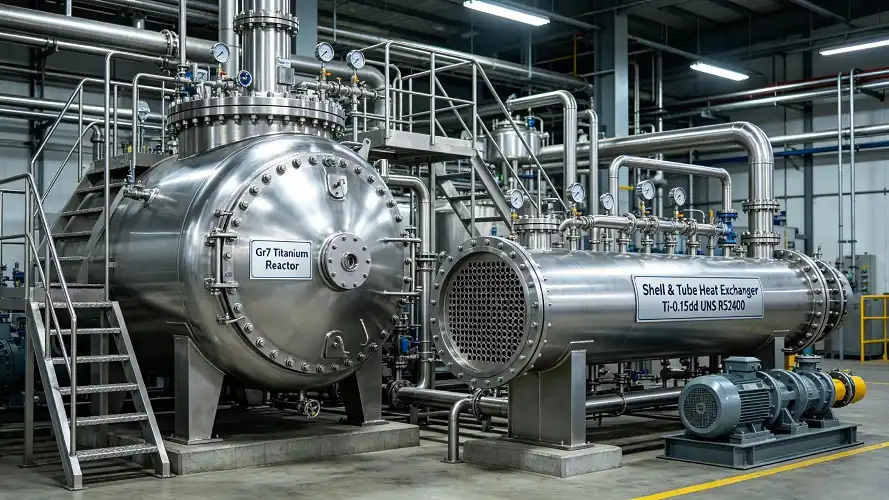
In the making of chlor-alkali, fertilizer, and medicines, heat exchangers, condensers, and reactor coils have to deal with corrosive media and thermal cycling that speed up the growth of fatigue cracks. Titanium surfaces have a passive oxide film that stays strong in salt brines, organic acids, and oxidizing solutions that would break down stainless steel in months. When a process starts up, stops, or there are changes in the flow, the temperature changes. This causes thermal pressures that normal materials can handle by deforming plastically, but this causes damage with each cycle. Titanium has a higher yield strength and a lower thermal expansion rate, which reduces this stress-strain hysteresis. This means that equipment will last 15-20 years instead of the usual 5–7 years for stainless steel. Our titanium-based composite tubes were used in the Luoyang Petrochemical installation, which shows that they are more durable in continuous refinery service.
Industrial Machinery and Power Generation
Heavy machinery uses hydraulic cylinders, pneumatic actuators, and cooling circuits that put pressure on Gr5 Titanium Tube tubing over and over again and cause it to wear out through vibrations. Our titanium air coolers are used by industrial clients in North America in places where copper-nickel tubes rust and fatigue crack at the joints between tubes and sheets within 3 to 5 years. Titanium installations last longer than 15 years with little upkeep, which makes the higher original cost worth it because they cost less to repair and have less downtime. In the same way, titanium tubes help power plant condensers because they don't rust or crack when exposed to ammonia or erosion-corrosion, which are problems that happen with brass and stainless steel in cooling water service.
Why Choose Jucheng Titanium for Your Gr5 Titanium Tube Requirements
Baoji Jucheng Titanium Industry Co., Ltd. has been making specialized products for 20 years and has advanced R&D and quality processes in place to meet the needs of demanding customers around the world. Our 120,000-square-meter plant is in Baoji, China, which is known as the "Titanium Valley." It processes raw materials, makes precision tubes, and makes finished parts all under one quality control system. As a National High-Tech Enterprise and a "little giant" specialized maker, we have 4 idea patents and 41 utility model patents that protect our own processes that make products work better and make production more efficient.
We can make seamless tubes in grades Gr1 through Gr12, and we're especially good at processing Ti-6Al-4V alloy in a way that makes it ideal for applications that need to be resistant to fatigue. The whole process of making something, from extrusion and cutting to cold rolling, annealing, pickling, and straightening, is done in-house. This means that process control and tracking are available that wholesalers who get parts from outside sources can't offer. Surface treatments like polishing, machining, and acid pickling meet customer requirements for cleanliness, accuracy in measurements, and surface finish, all of which are important for high-cycle fatigue performance. The different finish states—annealed, pickled, or bright—meet the needs of different applications and manufacturing methods.

Every production lot is checked carefully to make sure it meets the standards set by ASTM B337, ASTM B338, ASTM B861, AMS 4942, and ASME SB338. Our quality checking team is skilled in metallurgical analysis and non-destructive testing. They check the chemical makeup, test the mechanical properties, look for flaws using ultrasonic waves, and check the dimensions. All of this is recorded in detailed material test reports. Partnerships with the Northwest Institute for Nonferrous Metal Research and top universities help to make metal creation and process optimization better all the time. This partnership between "production, learning, and research" makes it possible to make custom alloys and heat processes that meet specific customer needs that go beyond standard requirements.
Over 1,500 tons of titanium parts are made every year with more than 500 sets of equipment. This shows the manufacturing scale and dependability that are needed for big projects. Our large material inventory—about 3,000 tons kept on hand all year—allows us to quickly fill orders, even when they are for large amounts. This lowers the supply chain risks that procurement managers are worried about. Flexible minimum order amounts allow for both prototype development and full-scale production. Customization services can change the tube's size, mechanical qualities, and surface treatments to fit the needs of a particular application. Logistics know-how and correct paperwork for foreign packages are backed up by years of experience exporting to markets in Europe, North America, and Southeast Asia.
Technical support goes beyond just delivering the product. For example, engineering advice can help with choosing the right materials, making the best designs, and figuring out how to make things so that they last as long as possible. Our application engineers have spent decades working in the aircraft, chemical processing, and industrial fields, fixing real-world problems and giving useful advice based on their knowledge of materials science and manufacturing. Post-sale service includes keeping an eye on performance, analyzing failures if problems arise, and ongoing efforts to make things better so that customers are happy for a long time. This all-around support system tells the difference between real manufacturing partners and casual providers.
Conclusion
To solve important industry problems, Ti-6Al-4V alloy seamless tubes are the technical answer. They are resistant to wear, long-lasting against corrosion, and light in weight. The material's excellent performance in aerospace structures, chemical processing equipment, and industrial machinery supports its position as the best choice for tough cyclic loading tasks. To be successful at buying, you need to work with experienced manufacturers who can do everything from processing raw materials to delivering finished parts. These manufacturers should also have strong quality systems and technical knowledge to back up their work. Baoji Jucheng Titanium Industry offers this complete answer backed by 20 years of specialized knowledge, advanced R&D capabilities, and an unwavering dedication to customer success in applications where fatigue is a major concern.
FAQ
1. What makes Gr5 titanium tubes more fatigue-resistant than other grades?
The Ti-6Al-4V alloy forms a microstructure with two phases: the alpha phase is stable, and the beta phase is strong. This gives the alloy better crack resistance than commercially pure grades. The additions of 6% aluminum and 4% vanadium make the material much stronger in both tensile and yield strength while keeping its flexibility. This means that the material can handle cyclic stresses without cracking. When you use seamless making, you don't have to worry about weld gaps that build up stress and cause fatigue cracks.
2. Can welding or fabrication reduce fatigue performance?
When you solder something incorrectly, you can make heat-affected zones that have changed microstructure and leftover stresses that shorten the cycle life. But mechanical properties can be maintained by controlled welding with the right filler metals, inert gas shielding, and heat treatment after the welding process. After welding important parts together, we suggest solution treatment and aging cycles, along with non-destructive testing to make sure the joint is strong before it is put to use.
3. What are typical lead times for custom tube orders?
Standard sizes from stock will be shipped within one to two weeks of confirmation of the order. Custom sizes that need special tools or handling that isn't standard usually take 10 to 14 weeks from the time the order is placed until it is inspected and shipped. If the production plan allows it and the materials are available, rush services may be able to meet immediate needs.
Partner with a Trusted Gr5 Titanium Tube Manufacturer

Jucheng Titanium has Gr5 Titanium Tube seamless Ti-6Al-4V alloy tubes ready to help you with your next project. These tubes are made to be very resistant to fatigue and reliable over time. Our technical team works directly with your engineering staff to make sure that the specifications, dimensions, and processing of the materials are the best they can be for your application. Email us at s4@juchengti.com to talk about your buying needs and get specific quotes with full material approvals. Our flexible skills and large supplies make sure that we can respond quickly to your needs, whether you need a small number of prototypes for a development program or a large number of production samples for ongoing production.
References
1. Boyer, R., Welsch, G., & Collings, E. W. (1994). Materials Properties Handbook: Titanium Alloys. ASM International, Materials Park, Ohio.
2. Donachie, M. J. (2000). Titanium: A Technical Guide, 2nd Edition. ASM International, Materials Park, Ohio.
3. Peters, M., Kumpfert, J., Boyd, R., & Leyens, C. (2003). Titanium Alloys for Aerospace Applications. Advanced Engineering Materials, Volume 5, Issue 6, Pages 419-427.
4. ASTM International. (2021). ASTM B861-21: Standard Specification for Titanium and Titanium Alloy Seamless Pipe. West Conshohocken, Pennsylvania.
5. SAE International. (2019). AMS 4911: Titanium Alloy Bars, Wire, Forgings, Rings, and Drawn Shapes 6Al-4V Annealed. Warrendale, Pennsylvania.
6. Lütjering, G., & Williams, J. C. (2007). Titanium, 2nd Edition: Engineering Materials and Processes. Springer-Verlag, Berlin Heidelberg.